Dill
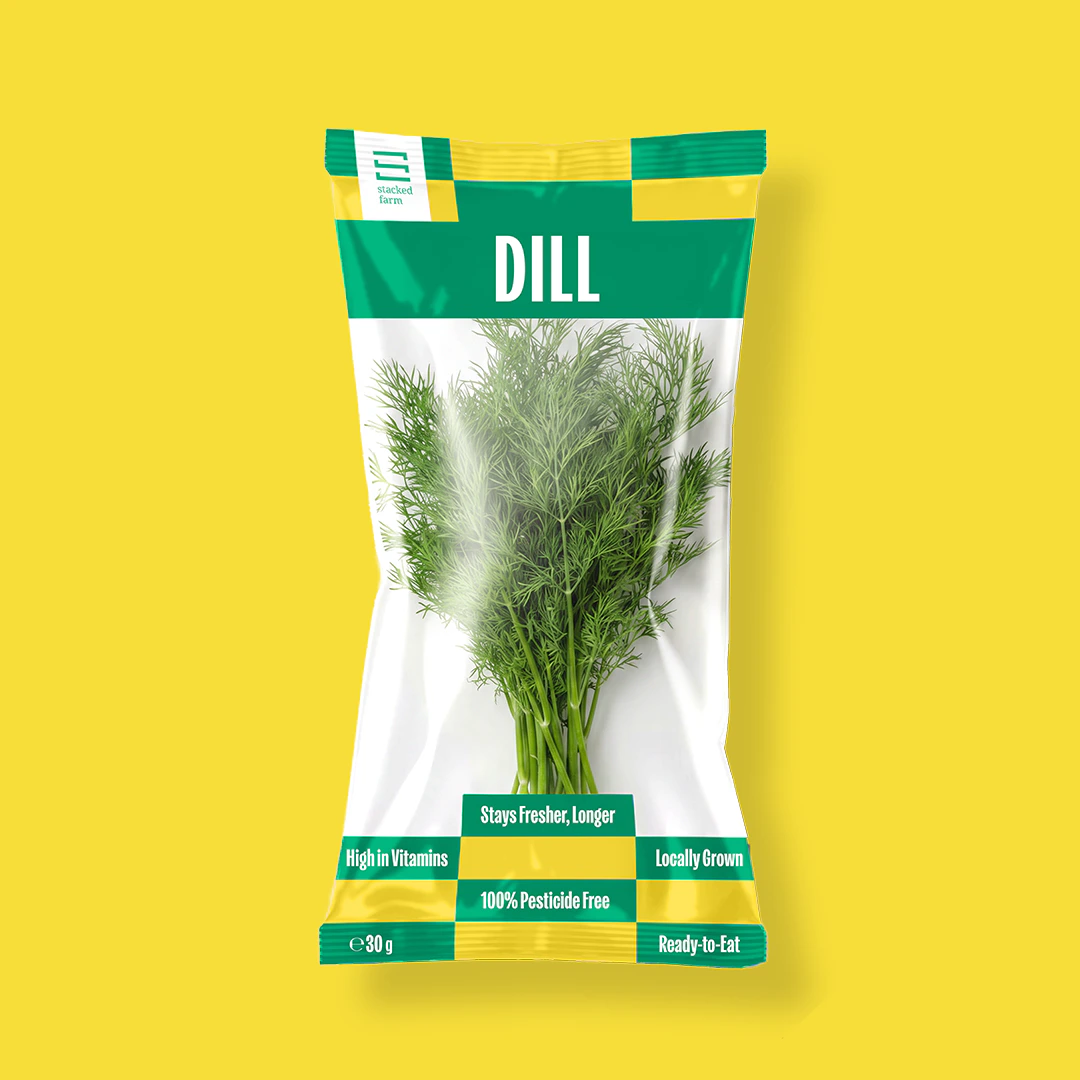
Feathery, fragrant dill with a soft anise sweetness. Grown indoors with no pesticides, herbicides or sprays, ever, and picked young so the fronds arrive intact rather than crushed in the bottom of the pack. Ready to use straight from the pack, with nothing to rinse off.
Stays fresher, longer
Stays fresh twice as long
100% pesticide free
No pesticides, herbicides or sprays
Stacked with vitamins
Grown indoors in Australia
Ready-to-eat
Ready to eat — no washing required
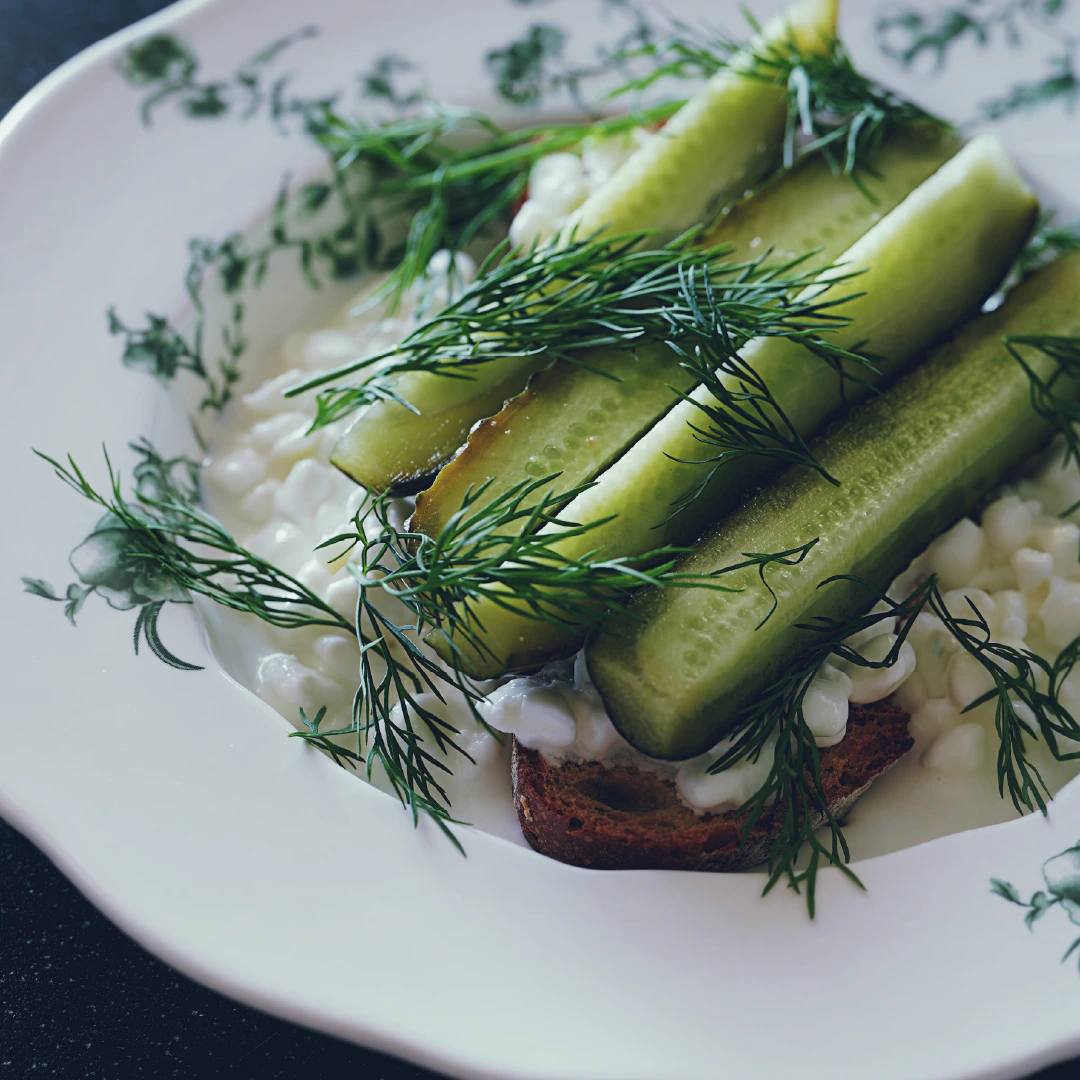
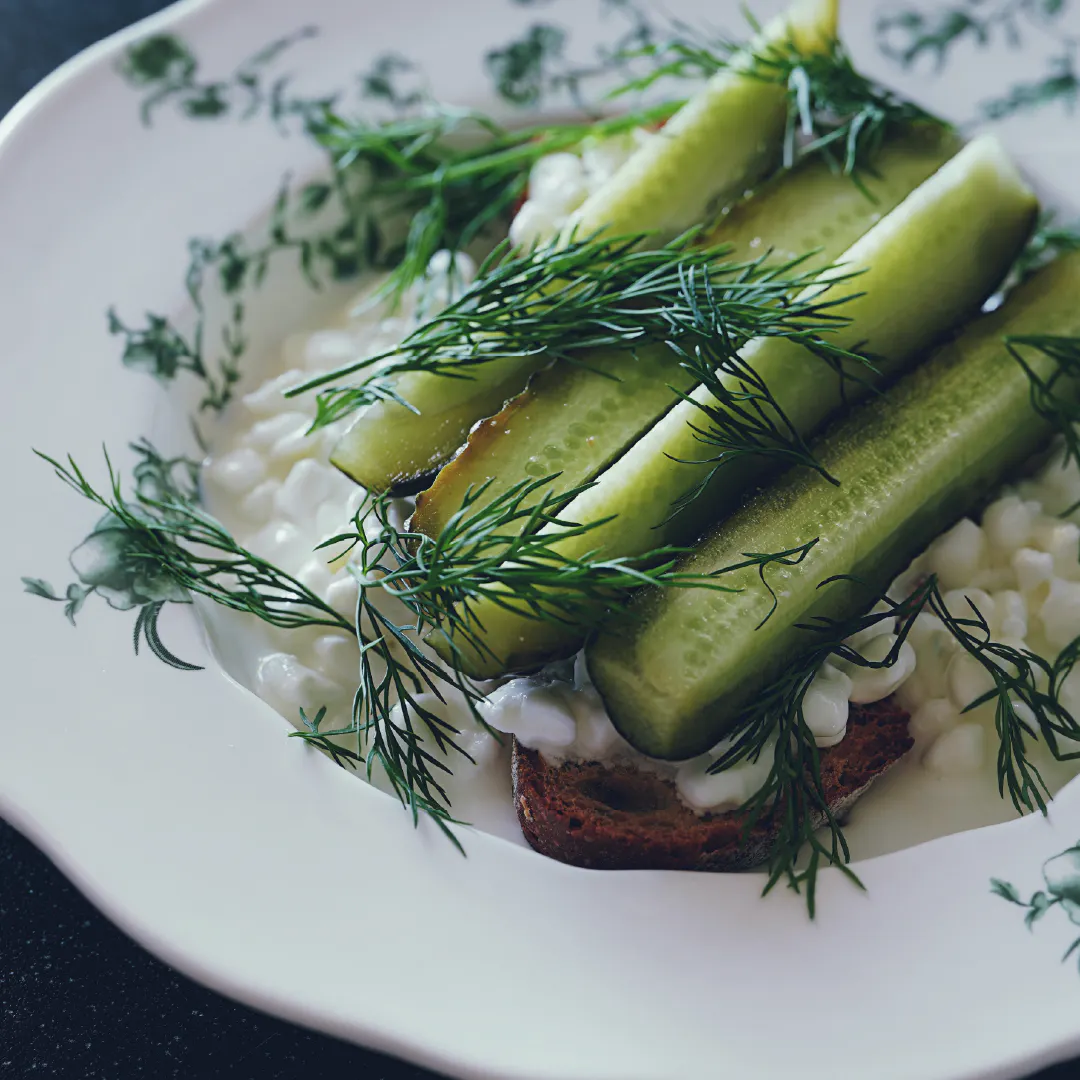
Dill is all soft, feathery fronds and a gentle anise sweetness, closer to fennel than to anything sharp. Most Americans meet it in a pickle jar, which is fair enough, but it's just as at home alongside salmon, through potato salad, or folded into anything creamy. Ours is picked young, so the fronds are fine and the flavor is delicate rather than grassy.
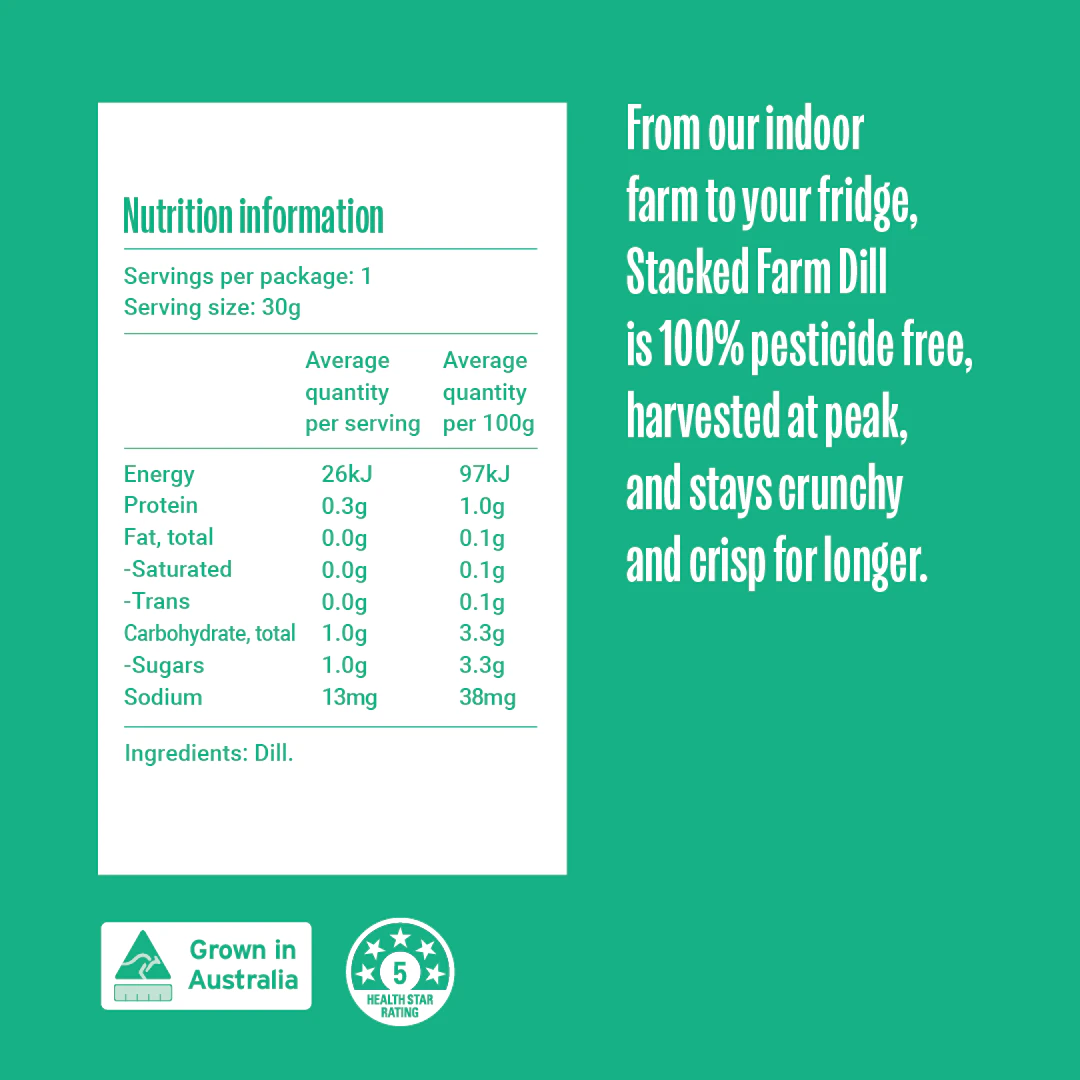
Servings per package: 1
Serving size: 9g
| Nutrient | Average Quantity Per Serving | Average Quantity Per 100g |
|---|---|---|
| Energy | 8.7kJ | 97kJ |
| Protein | 0.1g | 1g |
| Fat, Total | 0g | 0.1g |
| - Saturated | 0.0g | 0.1g |
| - Trans | 0.0g | 0.1g |
| Carbohydrate, Total | 0.3g | 3.3g |
| - Sugars | 0.3g | 3.3g |
| Sodium | 3mg | 38mg |
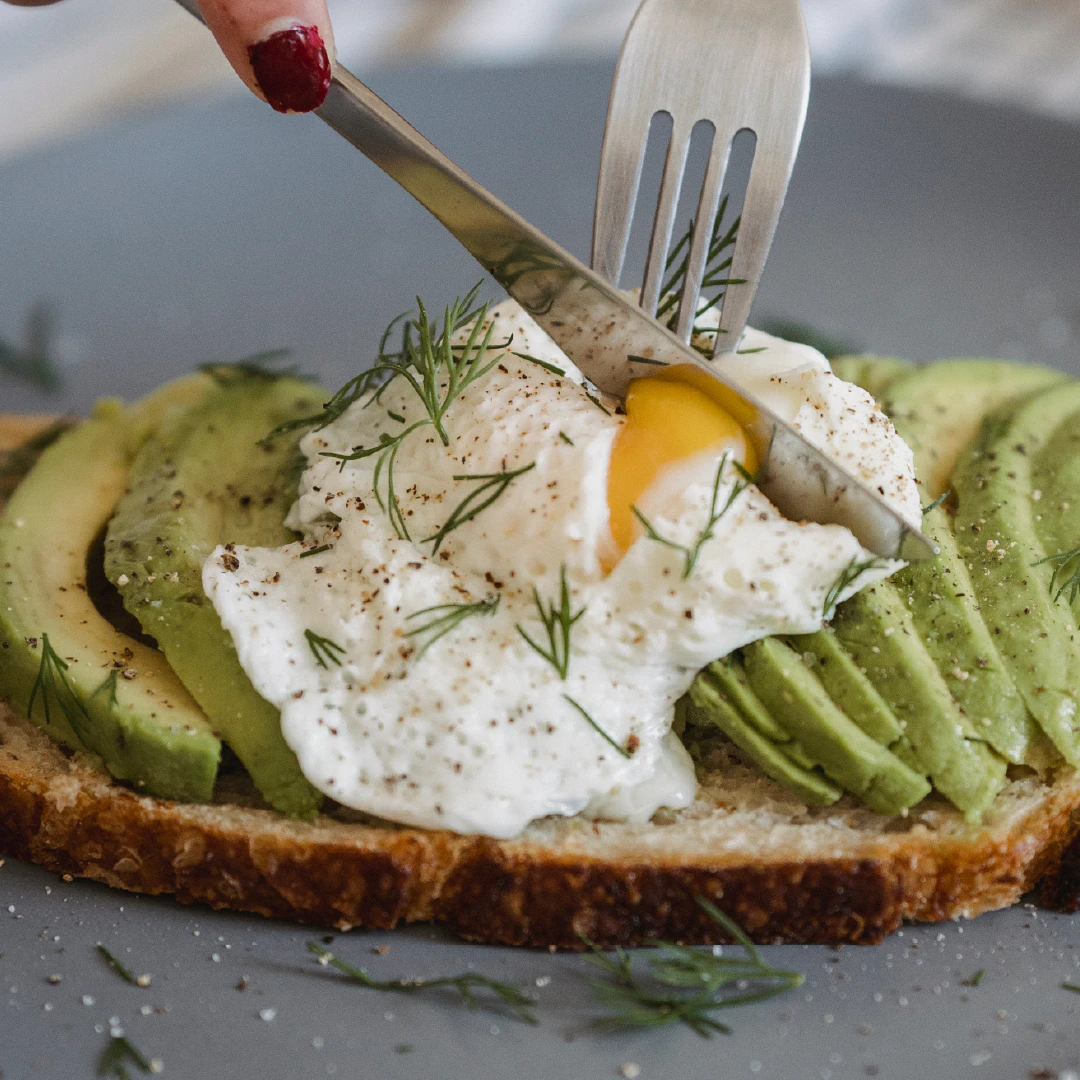
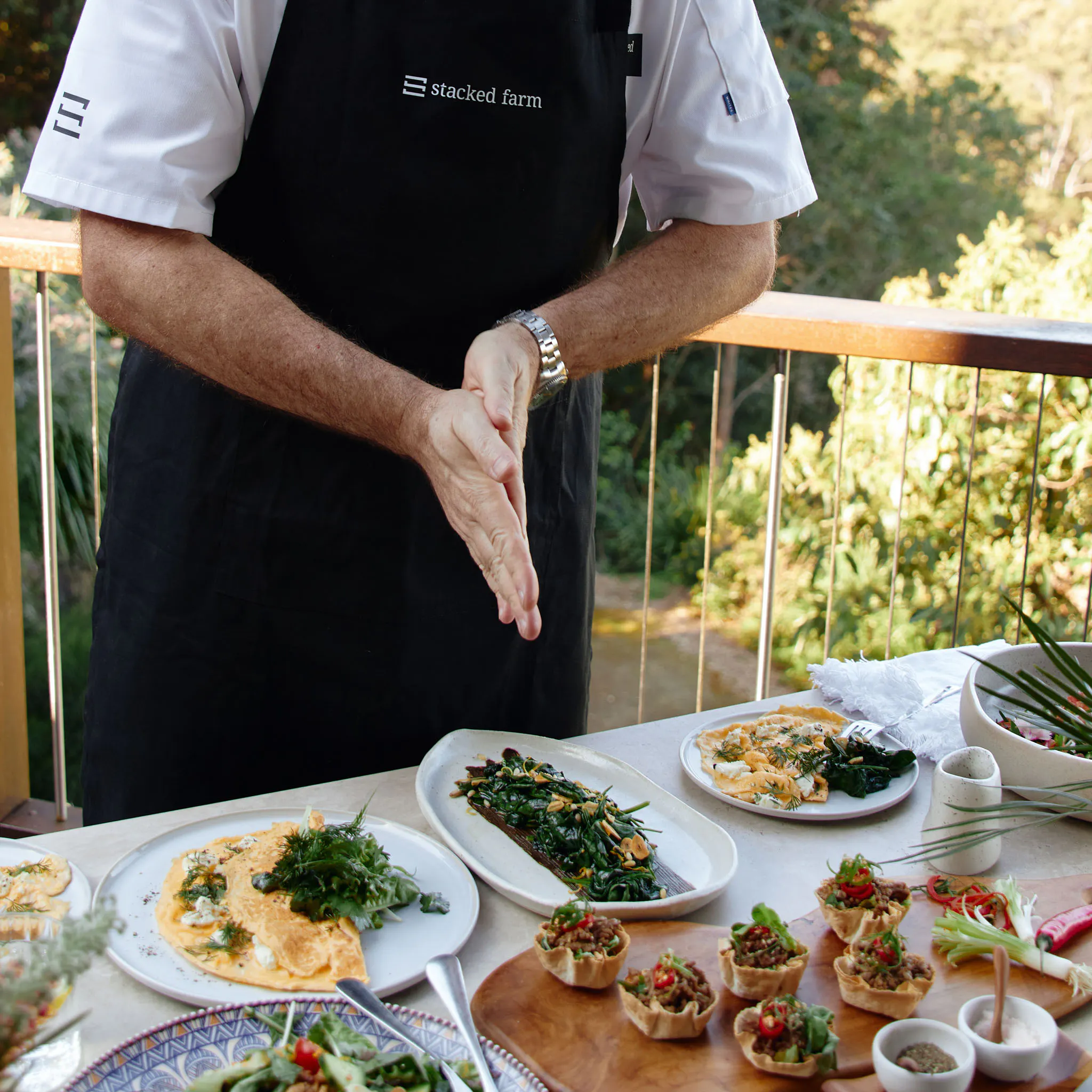
Dill is a soft finishing herb, so add it at the end or use it raw. Heat flattens it. It's the classic partner for salmon and white fish, and it's just as good through potato salad, cucumber, yogurt, sour cream and soft cheese. Stir it into a dressing, fold it through eggs off the heat, or scatter it over a whole baked fish. It's also the herb that makes a jar of pickles taste like pickles.
Keep dill refrigerated between 34 and 41°F, sealed and dry. Out of the pack, Dave's method is the damp roll: roll the fronds loosely in a lightly damp paper towel and put them back in the fridge. Never chop dill while it's wet, and use a sharp knife or scissors, because a blunt blade bruises the fronds and they darken faster.
Want to know where your Greens came from?
Scan the QR code on your pack to trace it back to its harvest batch and learn more about how it was grown.
This bag is plastic film, so it doesn't belong in your curbside bin. Empty it, make sure it's clean and dry, and take it to a store drop-off point for plastic film. Keeping film plastics out of curbside recycling matters. They tangle the sorting machinery and can send a whole load to landfill.
100% USA-grown dill
We're not just a brand,
we're the grower.
Learn about what were working onBehind every harvest is a team of horticulturalists, plant scientists, engineers and a chef. The farm is almost entirely automated, but automation doesn't decide anything. Our horticulturalists read the crop and set the conditions, and the machines carry them out precisely, every day.
Everyone here is working towards the same thing. Growing it well is the method. Making it worth eating is the point.
Nothing sprayed on.
Nothing to rinse off.
Our greens grow in sealed rooms, which means the pests, weeds and run-off that force outdoor farms to spray simply aren't there. So we don't spray. No pesticides, no herbicides, no fungicides, on anything we grow.
We had it tested rather than just stating it. An independent, ISO 17025 accredited lab screened our greens against 312 pesticides and residues, with none detected.
That's why there's nothing to rinse off. Nothing was ever sprayed on in the first place.
How we grow it
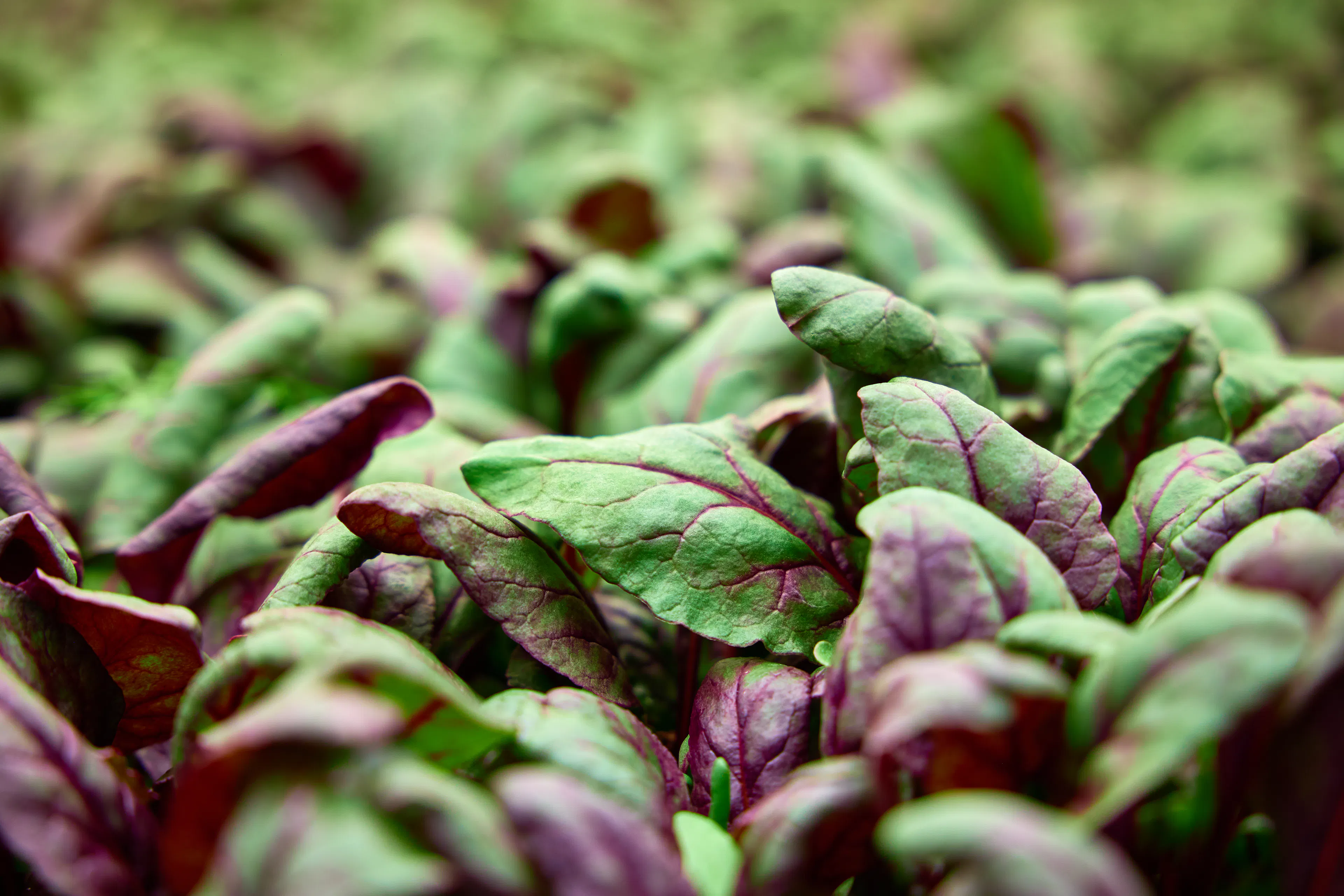
Everything we sell starts as a seed and is grown without being touched by hand, from seed to pack. It grows indoors in a sealed, climate-controlled room, with no soil, no weather and no sunlight. Every plant gets the light, water and nutrients it needs, every single day.
Those same sealed rooms change what growing takes. We recycle around 90% of the water our plants grow in, our nutrients stay in a closed loop instead of running off into rivers, and we grow a year's harvest in a single building.
What comes out is clean, consistent and ready in about half the time a field takes. It's grown at our farms in Australia, and our first US farm is under construction in Menifee, California. Every pack can be traced back to the exact batch it came from.
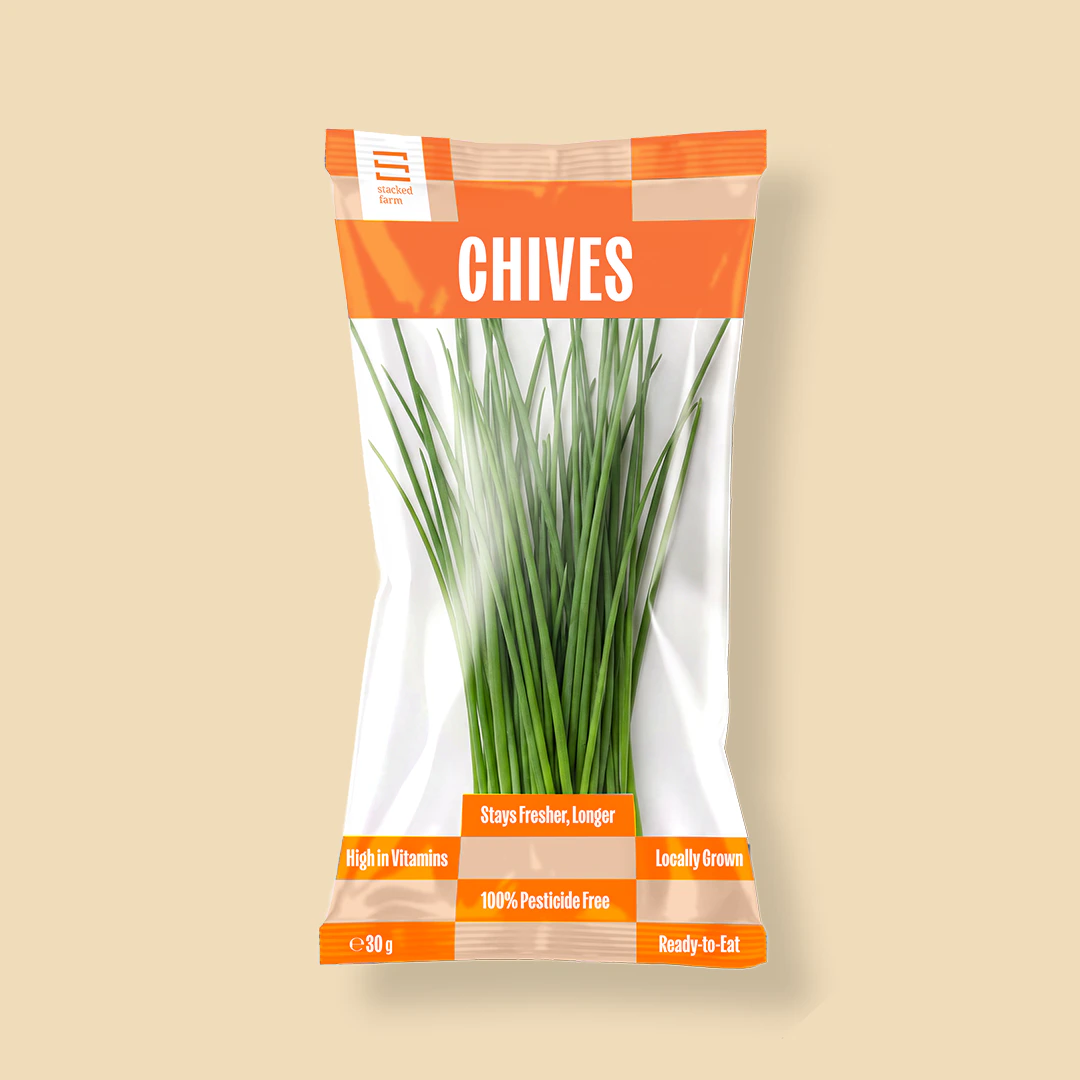
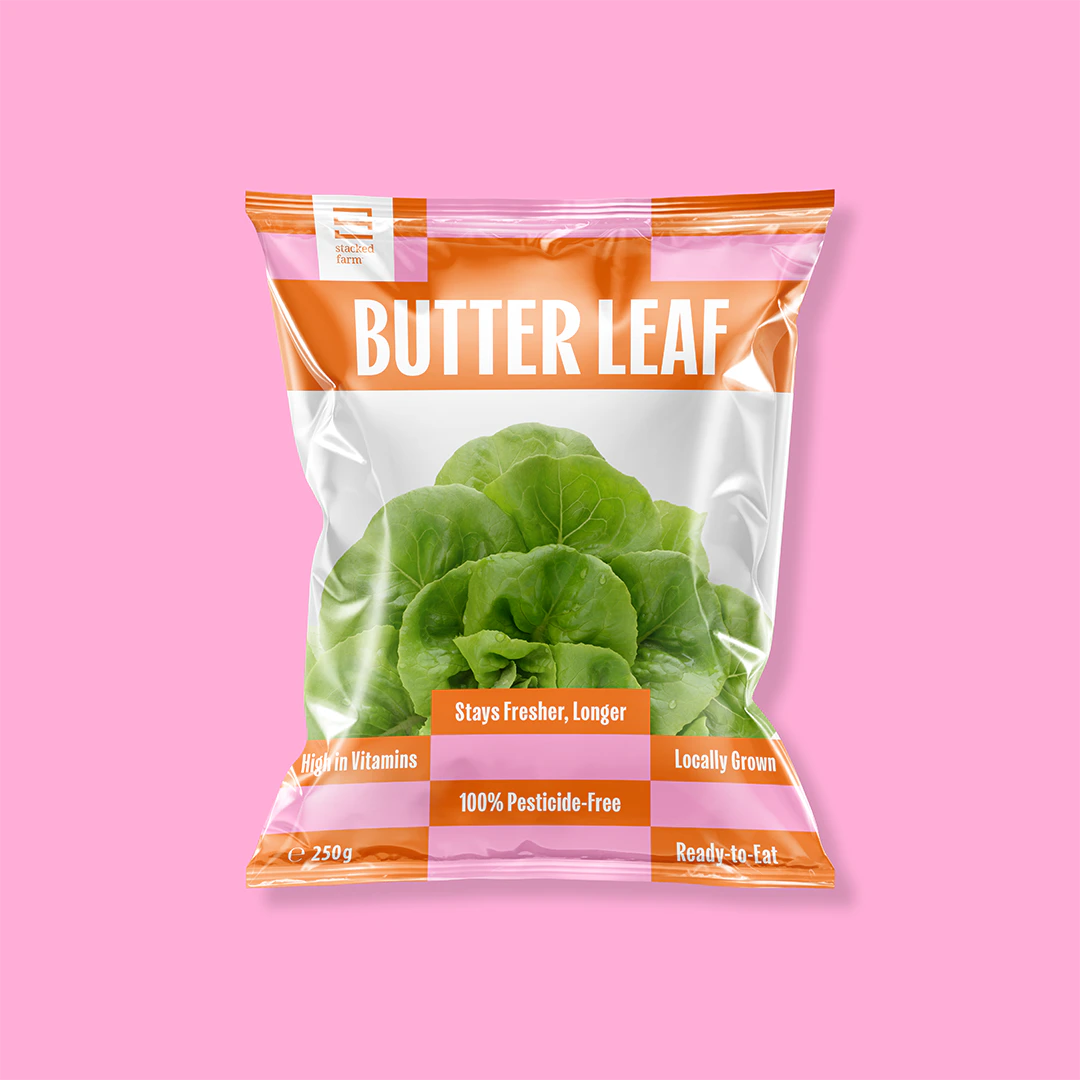
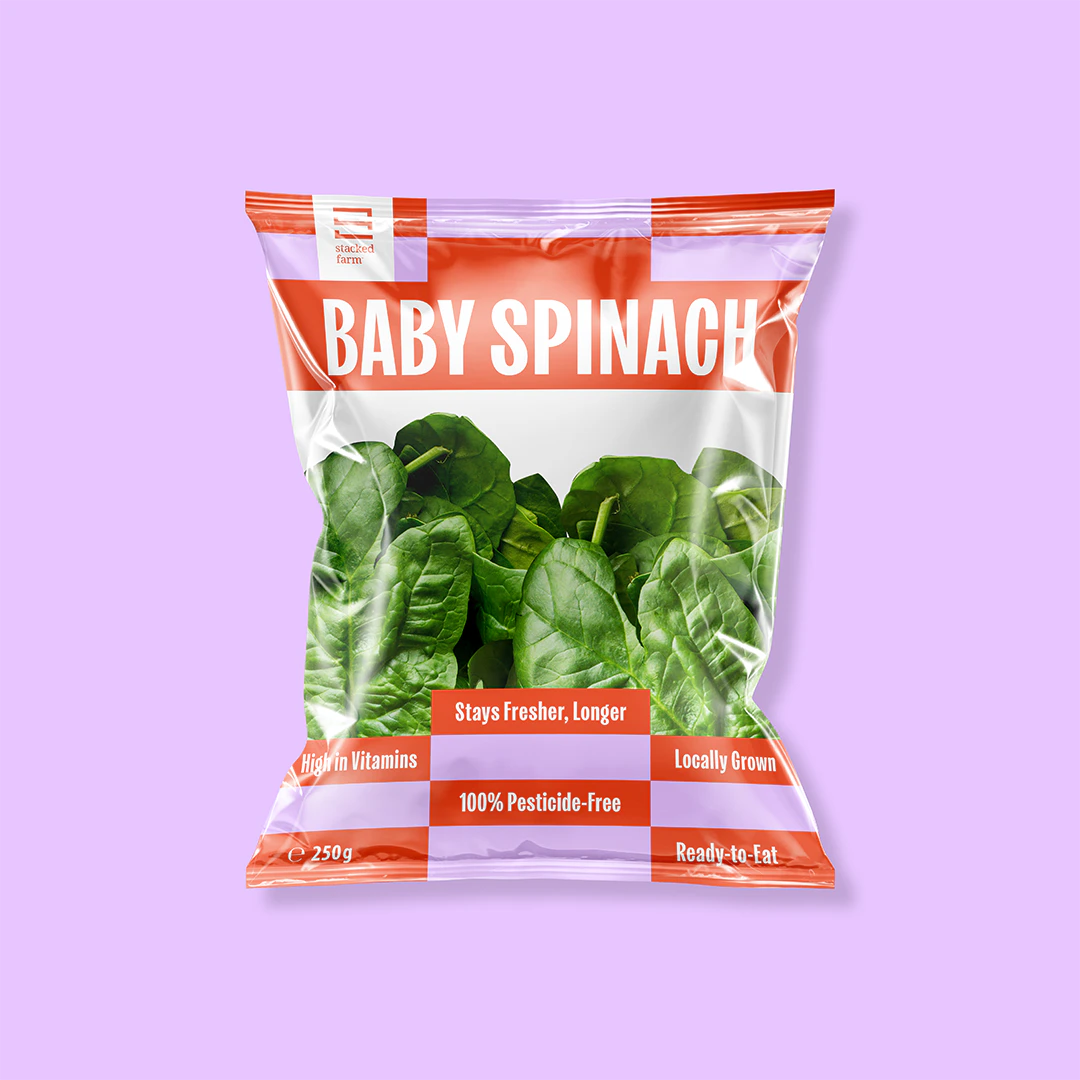
More greens on the grid.
Follow for recipes, farm tours and a very close look at some lettuce.
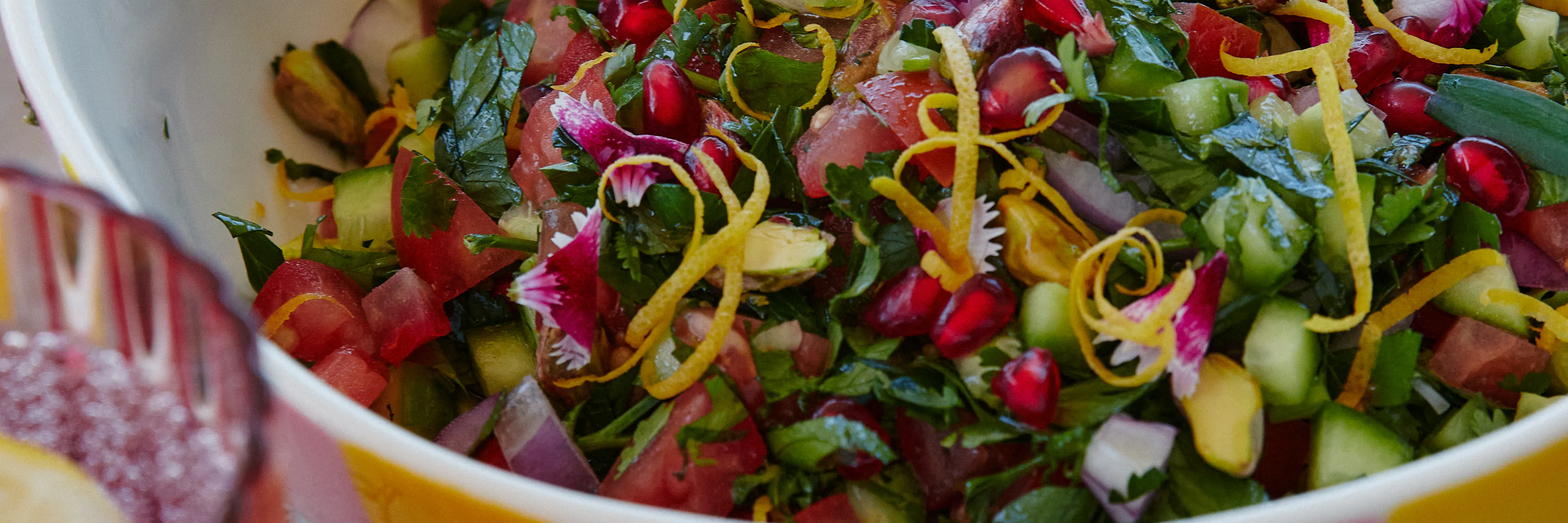
FAQs
None, really. Dill weed is what dried dill fronds are often called on a label, to tell them apart from dill seed, which is a different thing entirely with a much stronger, warmer flavor. Ours is fresh dill: the fronds, not the seed.
Soft and slightly sweet, with a gentle anise note closer to fennel than to licorice. It's a delicate herb rather than a punchy one, which is why it suits fish, cucumber and dairy so well.
No. It's grown in a sealed indoor room and never sprayed, so there's nothing to rinse off. Washing herbs only bruises the fronds and adds the moisture that turns them dark.
At the very end, or raw. Dill is a soft finishing herb and heat destroys the fresh flavor you bought it for. Stir it through after you take the pan off.
Yes, once it's chopped. It works well frozen for cooked dishes like sauces and soups, either tray-frozen or in an ice cube tray with a little water or oil. It won't come out looking fresh, so don't freeze it for a garnish.
Yes. The fine stems near the top are tender enough to chop in with the fronds. Thicker stems are better used to flavor a stock, a pickling jar or the cavity of a whole fish.
Nothing tastes quite the same, but fennel fronds are the closest match. Tarragon shares the anise note if you're making a sauce. For a fresh green lift on fish, parsley will do the job differently but well.
Our first US farm is under construction in Menifee, California. Join the list and you'll be the first to know when our greens reach a store near you.
Be first to know
We're building our first US farm in California. Leave us your email and you'll know the moment our greens reach a store near you, plus recipes from Dave, our chef, and the odd offer worth having.
No spam, just greens. Unsubscribe any time. See our Privacy Policy.