August 12, 2026
Mint: The Coolest Herb You Shouldn't Put in the Fridge

Dave Moorkens— Stacked Farm Chef
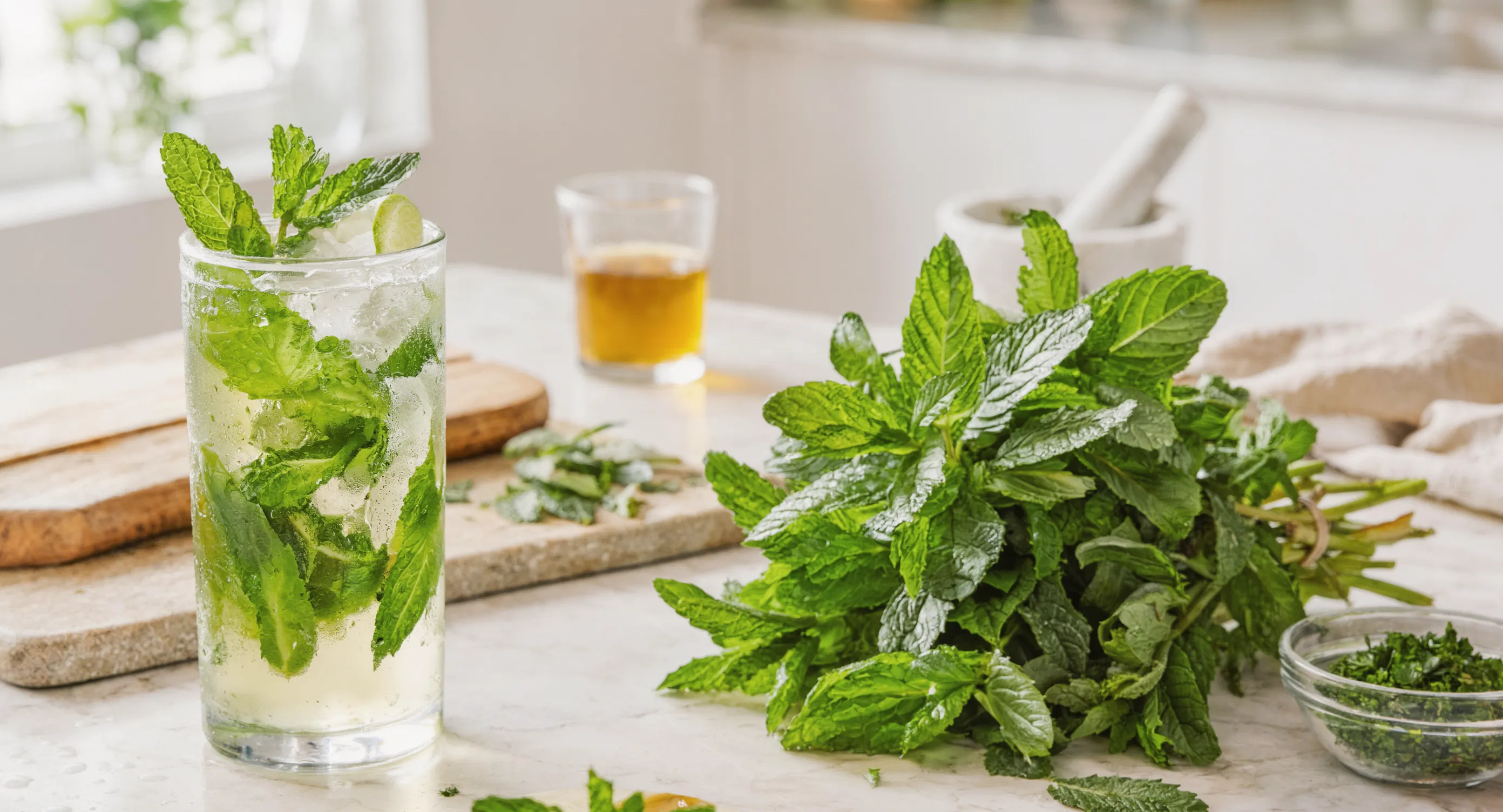
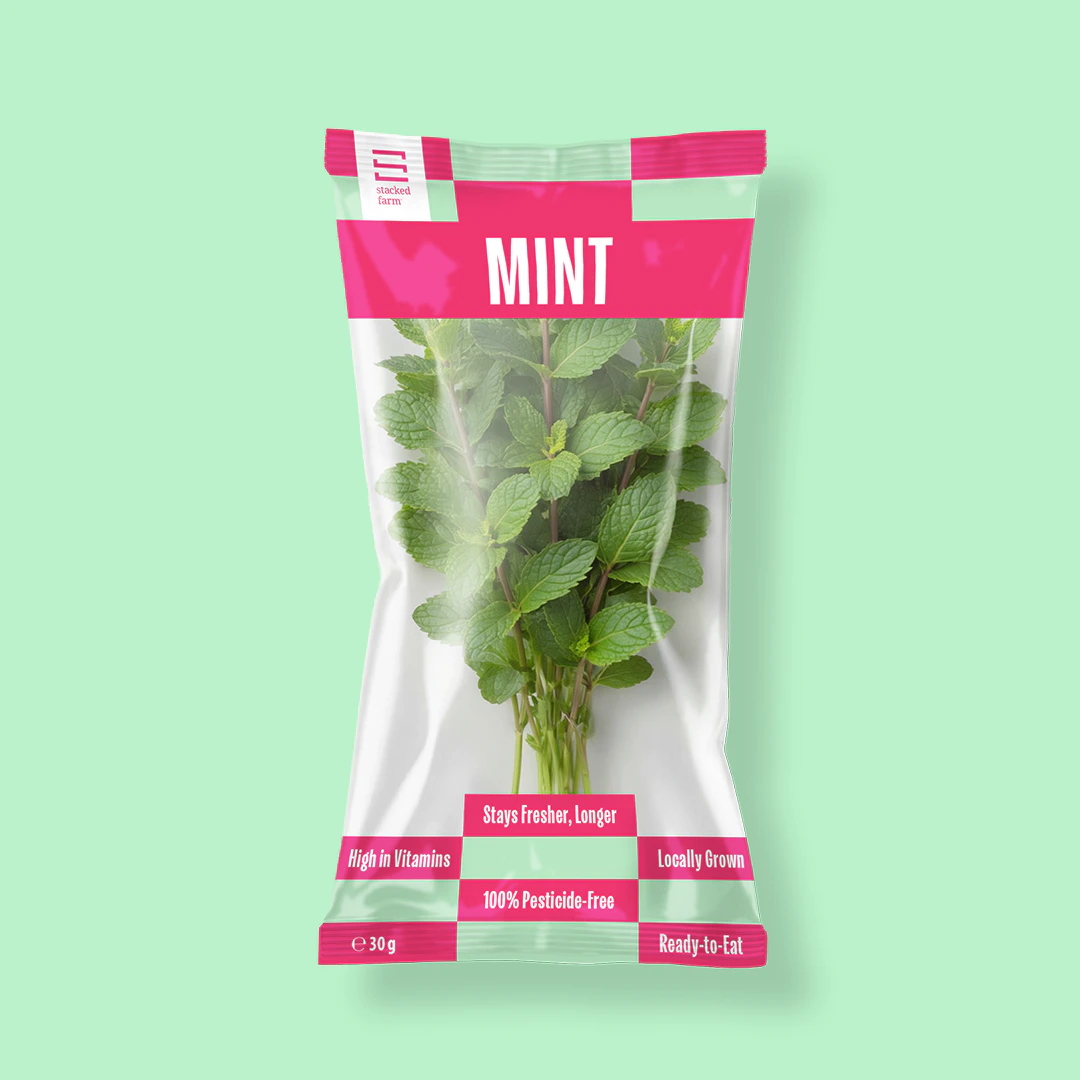
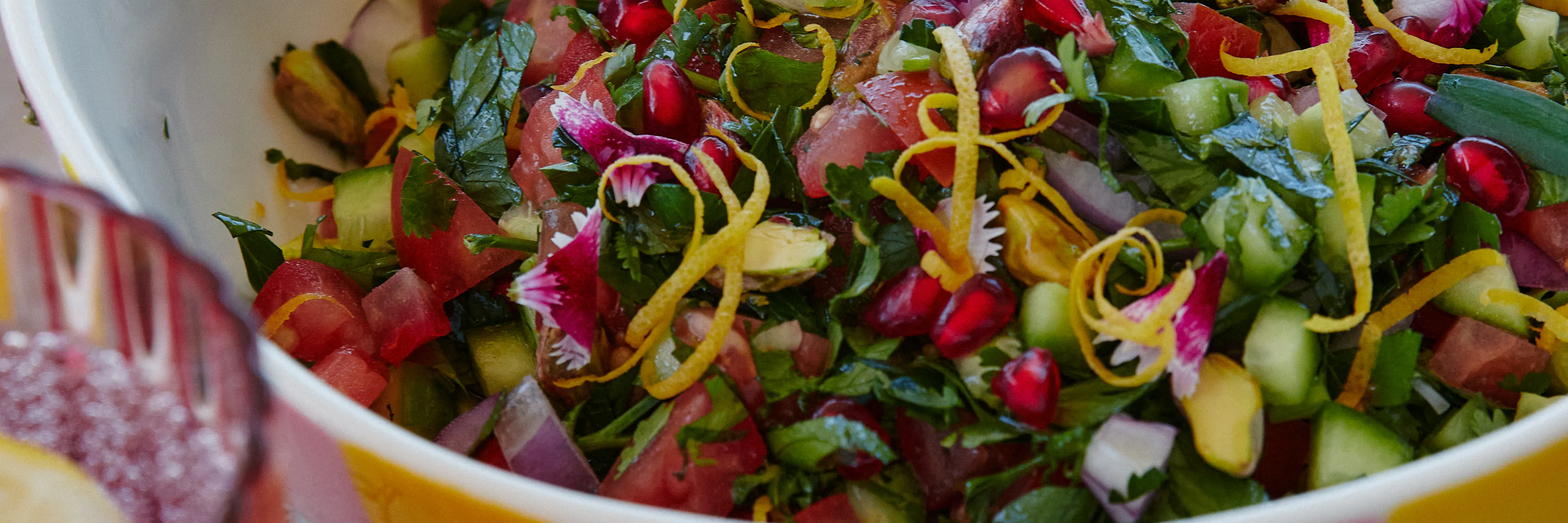
Mint is an aromatic herb with a naturally cooling flavour — a fixture in Middle Eastern cooking, cocktails, salads, and as a simple garnish. Crush a leaf and the fragrance does half the work; add it to tabbouleh, mint jelly, or a cold drink and it does the rest.
Spearmint is the milder, sweeter of the two, and the one you'll most often find in food and drinks. Peppermint carries a much stronger, more intense menthol hit, and tends to turn up in confectionery and tea instead.
Chef’s tip — Don’t toss the stalks
Give leftover mint stalks a second life by infusing them in spirits such as vodka or vermouth. Leave them to infuse, then use to add a fresh, minty twist to cocktails.
Dave Moorkens — Stacked Farm Chef
Mint's usually used fresh and completely raw, which means anything on the leaf — insects, fungus, chemical residue — goes straight into whatever you're making. Growing it indoors, without pesticides or herbicides, takes that risk off the table entirely.
Consistent indoor conditions also keep the menthol content and fragrance steady leaf to leaf, so the aroma that makes mint worth using in the first place is reliably strong, rather than depending on the season it happened to grow in.
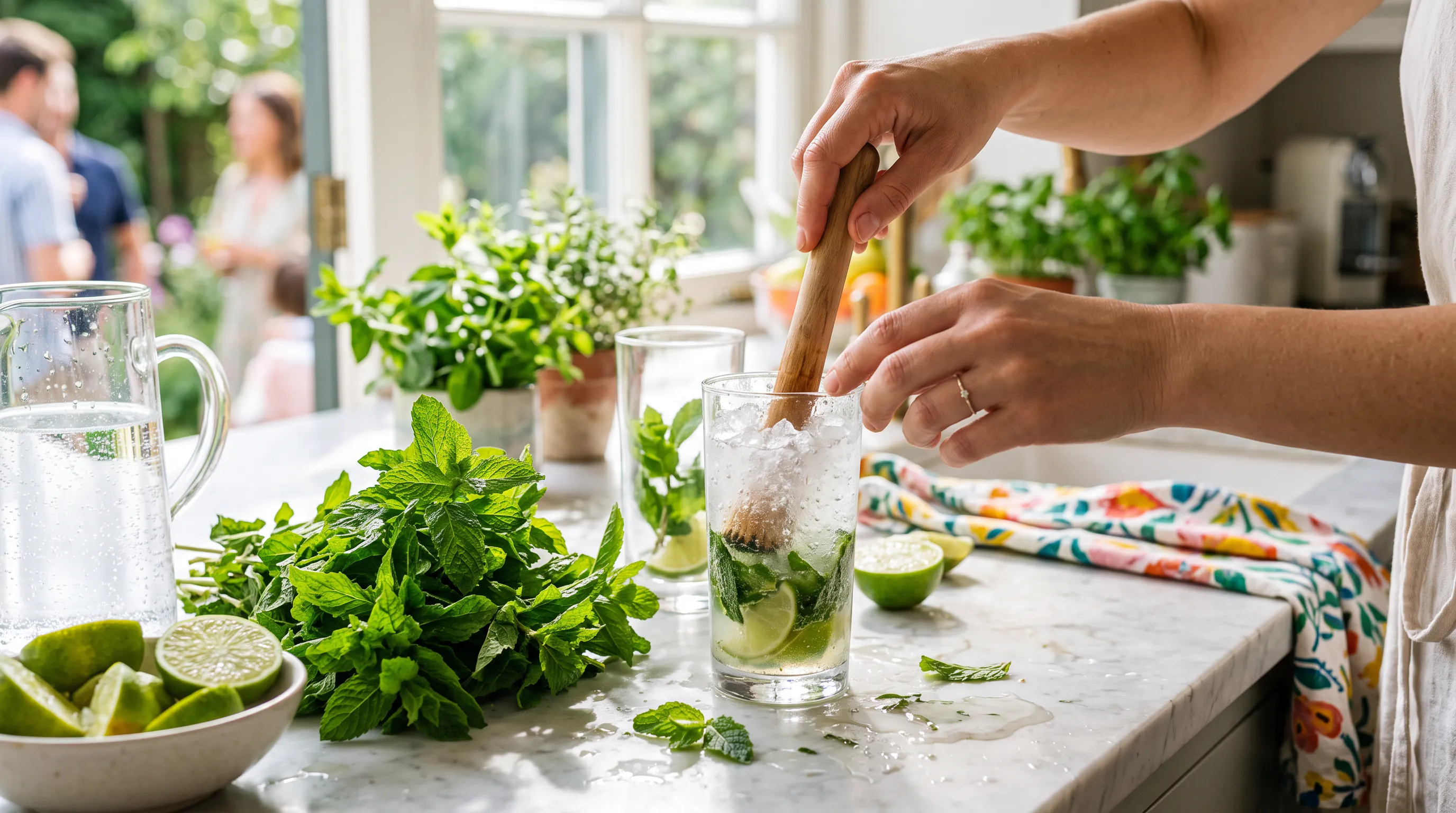
Chef’s tip — Make mint-infused sugar
Got extra mint leaves? Layer them with white sugar in an airtight container and let the flavours infuse. Use the fragrant mint sugar to add a fresh twist to desserts, baking and drinks.
Dave Moorkens — Stacked Farm Chef
Mint is naturally low in calories and carries antioxidants along with that signature cooling flavour — more of a flavour hero than a nutritional one, but a genuinely fresh, healthy way to lift a dish or a drink.
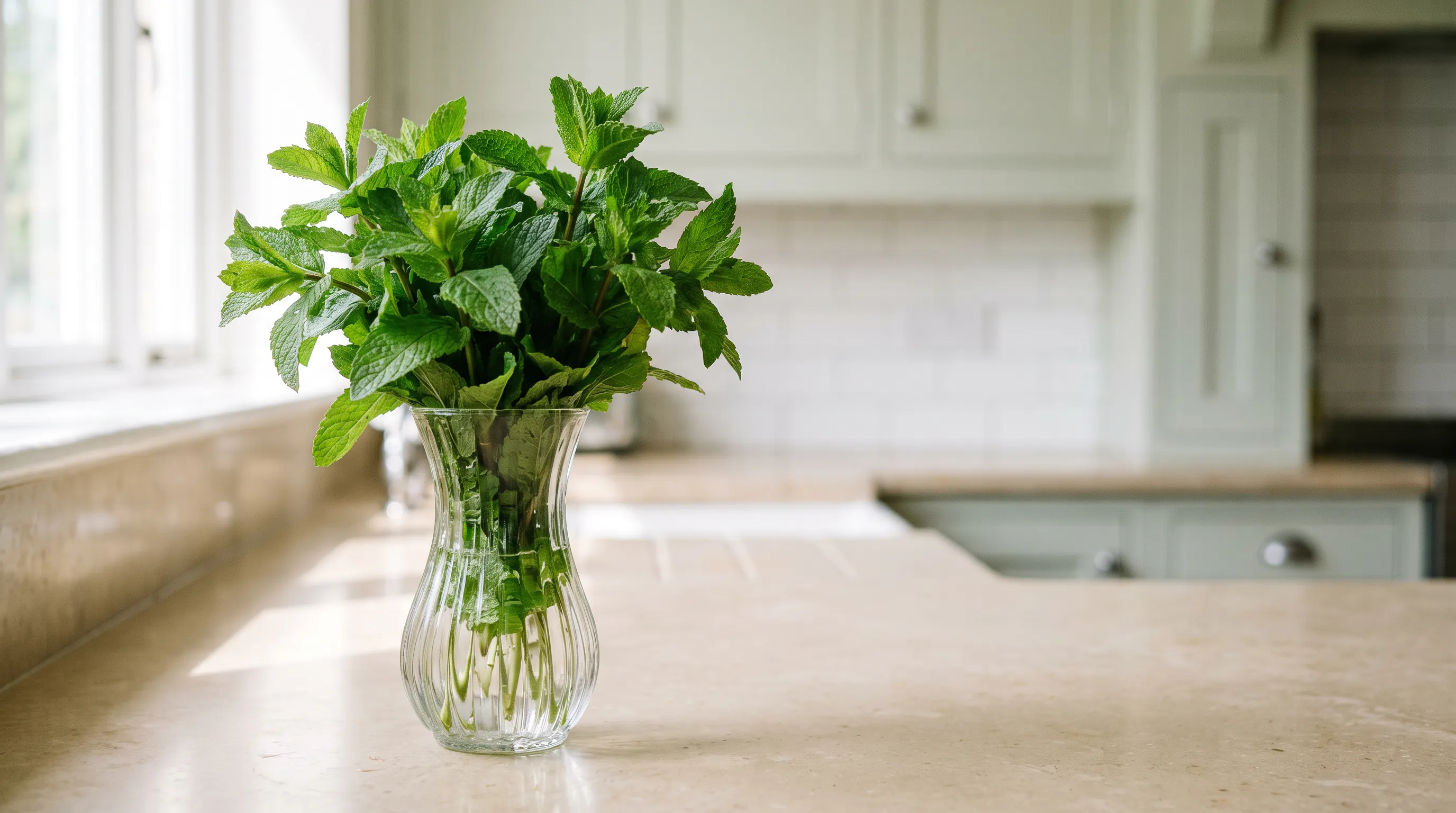
Treat it like fresh flowers, not a vegetable. Trim the stems, stand them in a jar or glass of water, and keep it on the bench loosely wrapped in a bag to hold in some humidity. Change the water every couple of days.
Skip the fridge — cold storage is what causes mint leaves to discolour, not what keeps them fresh. Because ours is grown without pesticides and travels a shorter distance to reach you, it has less time to deteriorate before it even gets to your bench, which means less yellowing and a stronger aroma once it's there.
Hot tip: mint is ridiculously easy to propagate. Keep the stems in a jar of water on a warm, sunny windowsill, and it'll grow its own roots in no time — free mint plant, no green thumb required.
Kristie Godden — Stacked Farm's Marketing Manager & Home Gardener
Here's the head start most greens never get: ours arrive clean and dry. Grown indoors, pesticide-free, and never washed — so there's no leftover moisture quietly turning the leaves before you've even opened the pack. Store them well and they'll reward you.
Follow for recipes, farm tours and a very close look at some lettuce.
Better not to. Cold storage causes the leaves to discolor, stems in a jar of water on the bench works far better.
Spearmint's milder and sweeter, and the one most commonly used in food and drinks. Peppermint has a stronger menthol hit and tends to turn up in tea and confectionery instead.
Whole leaves lose quality in the freezer — they darken and lose their bite. If you've got a surplus, blend it with a little oil and freeze it in an ice cube tray instead; it holds up much better for cooking later.
Plenty — tabbouleh, mint jelly, lamb dishes, fruit salads, and as a simple garnish on almost anything that could use a fresh lift.
Those aromatic oils are volatile — they start breaking down as soon as the leaf is cut or crushed. Using it fresh, and soon after buying, is the best way to get the full hit of fragrance.
No. We grow indoors with no soil, so there are no weeds or pests to manage — which means no pesticides or herbicides, ever.
Not certified, and here's why: organic certification in Australia requires soil, and ours is grown hydroponically. That said, we don't use any pesticides or herbicides at all — so while we can't carry the certification, the growing process is just as clean.
Cocktails, tea, tabbouleh, or just a torn leaf over fruit — mint earns its place in both the savoury and sweet side of the kitchen. Browse our Mint recipes → for ideas.