August 12, 2026
Basil: The Herb That Hates the Fridge
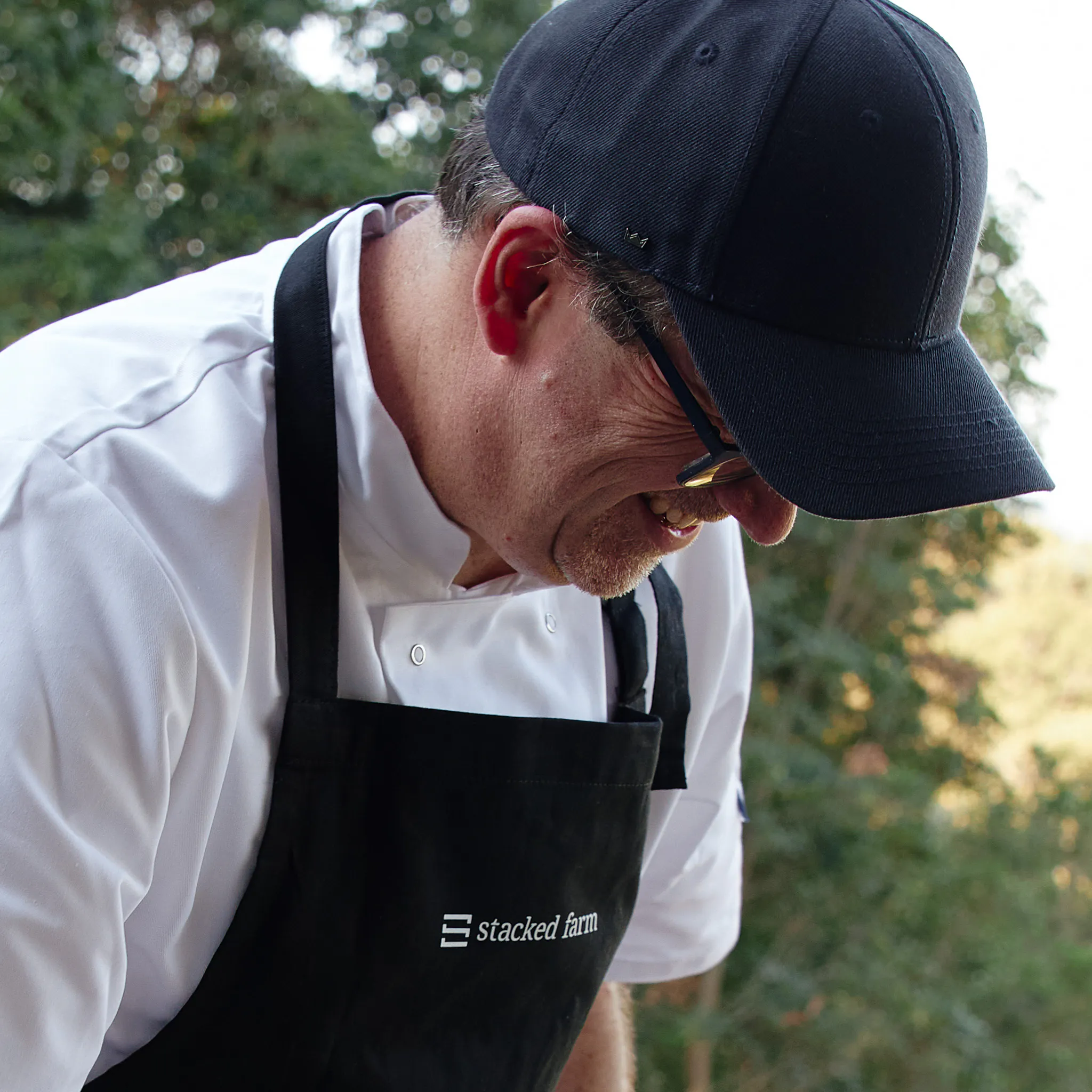
Dave Moorkens— Stacked Farm Chef
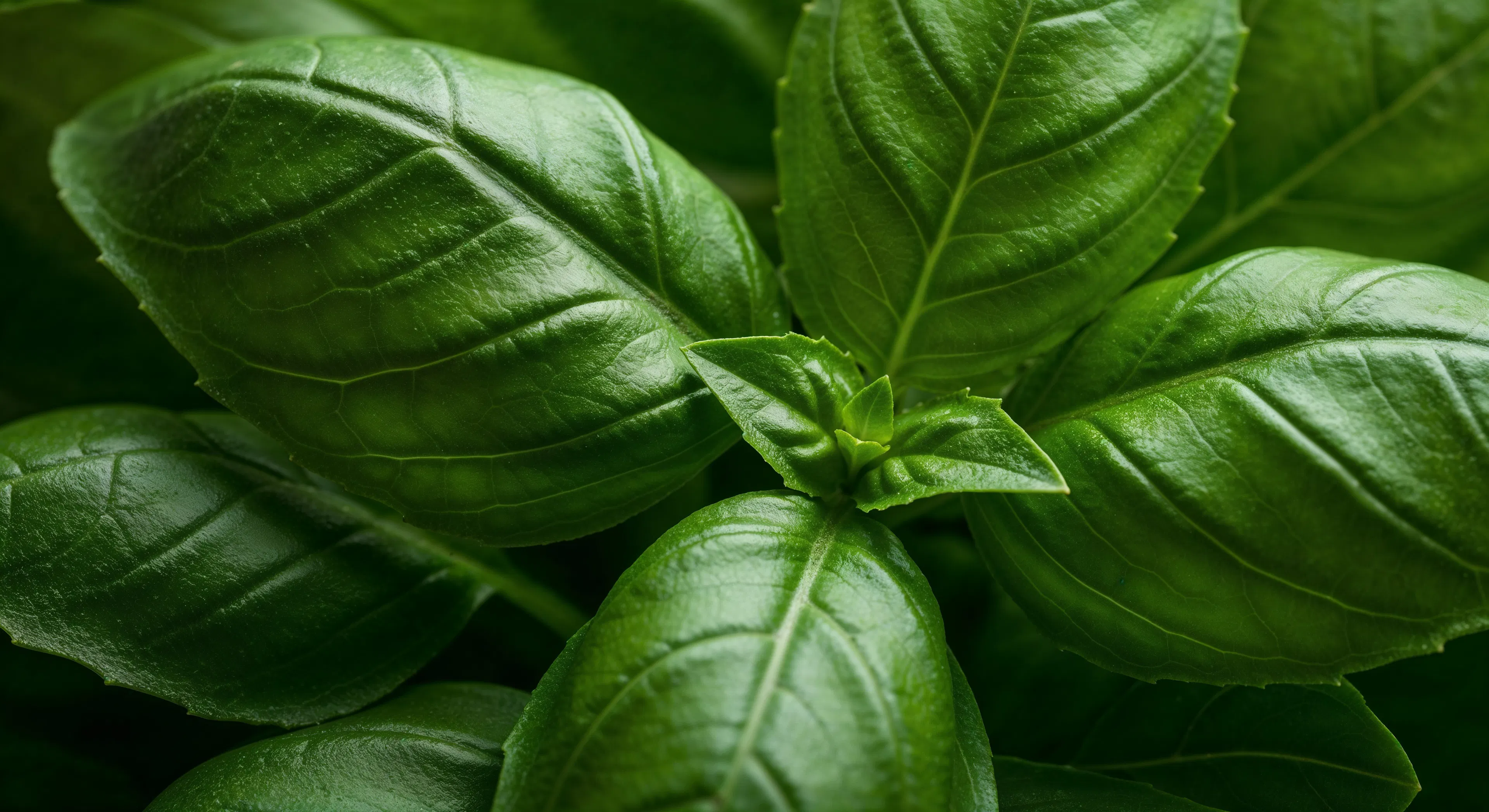
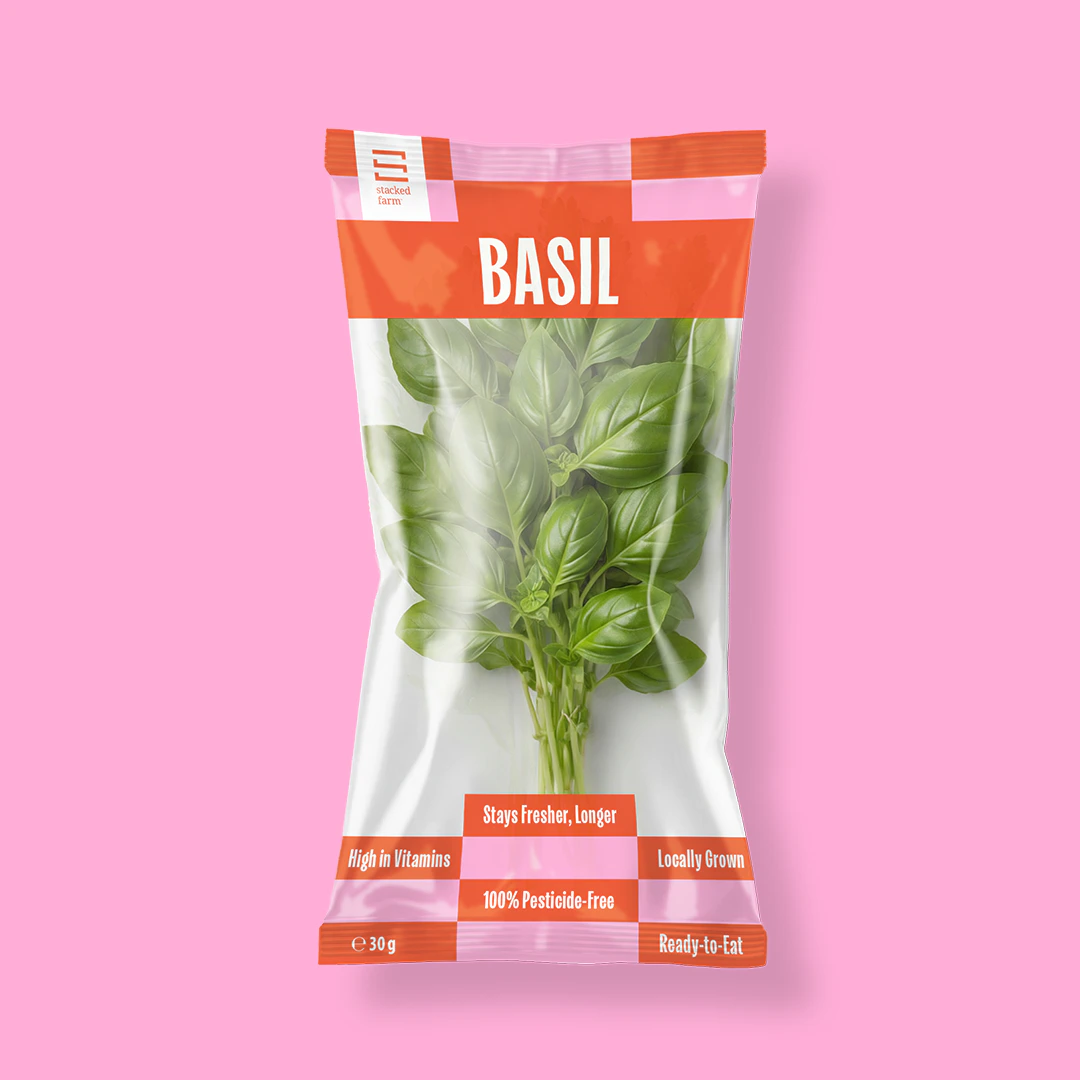
Basil is a culinary herb with a sweet, peppery fragrance, most at home in Italian cooking — used fresh, whether that's blitzed into a pesto or torn straight over a pizza. It's a finishing herb through and through: raw, or added at the very last minute, so the flavour and aroma stay intact.
Sweet (Genovese) basil is the one you'll know best — the classic pesto basil, and the most widely used variety. Thai basil has a more aniseed note and is built for Thai cooking, holding its own in curries and stir-fries. There's also lemon and purple basil, both with a stronger, more distinctive flavour than the sweet variety.
Chef’s tip — Master the perfect chiffonade
For beautifully fine ribbons of basil, stack the leaves, roll them tightly, then slice finely. Sprinkle over finished dishes just before serving for a fresh, aromatic finish.
Dave Moorkens — Stacked Farm Chef
Basil's a demanding plant in the field — leaf miners and mildew are common problems, and conventional growers often need to spray to keep on top of them. Growing indoors takes that pressure off almost entirely: no soil, no pests, no need for pesticides or fungicides.
Controlled indoor conditions also mean more consistency in the essential oils that give basil its fragrance — so the aroma and flavour don't vary the way they can with a field crop exposed to disease pressure and shifting weather.
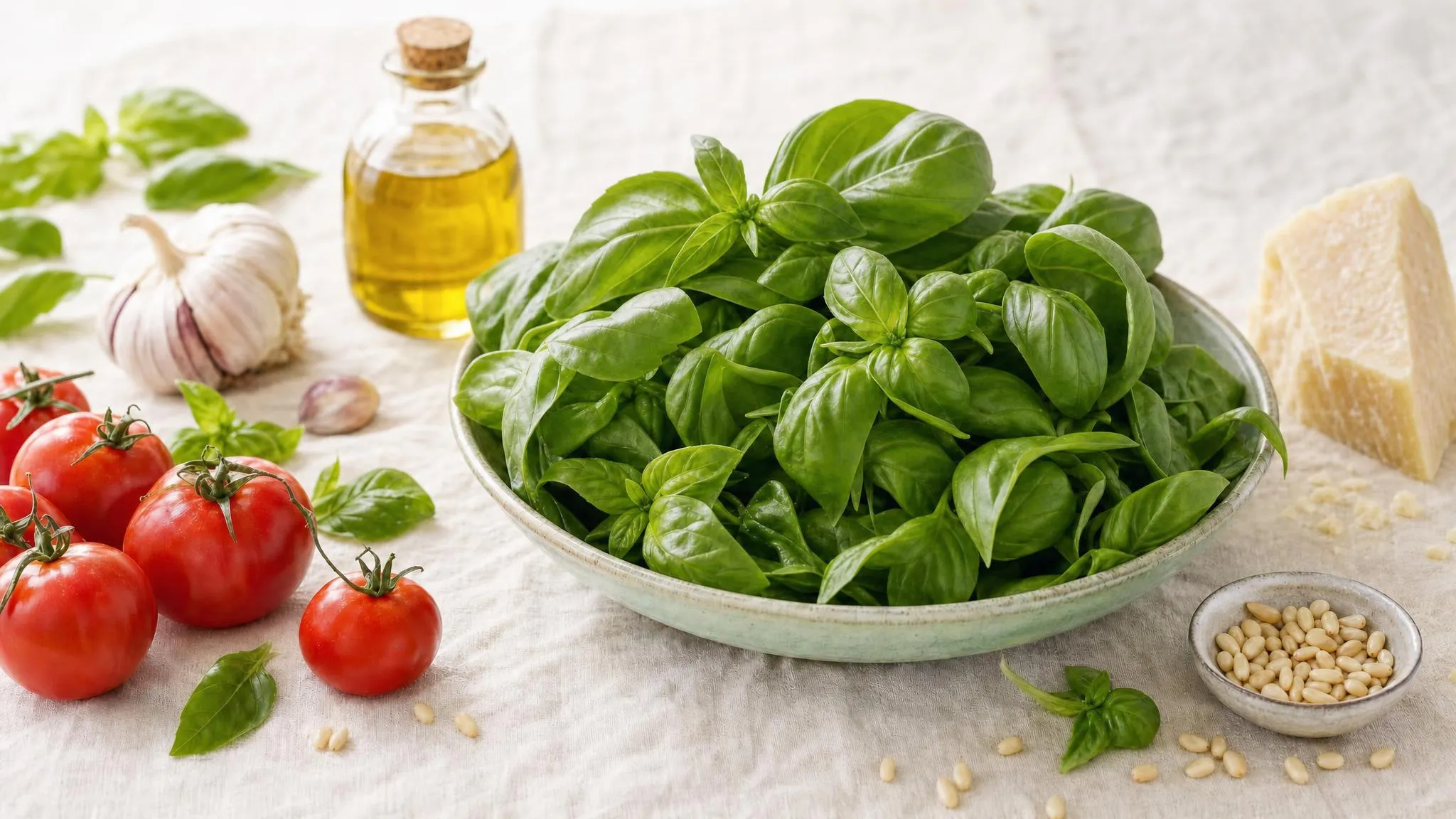
Basil is a good source of Vitamin K and contains antioxidants, alongside the aromatic oils that give it its flavour — more of a flavour-and-aroma hero on the plate than a nutritional powerhouse, but a genuinely healthy addition either way.
Chef’s tip — Make a vibrant basil oil
Blend fresh basil with a neutral oil, then strain through a fine sieve. Drizzle over pasta, soups and salads, or use to garnish plates with a vibrant burst of colour and flavour.
Dave Moorkens — Stacked Farm Chef
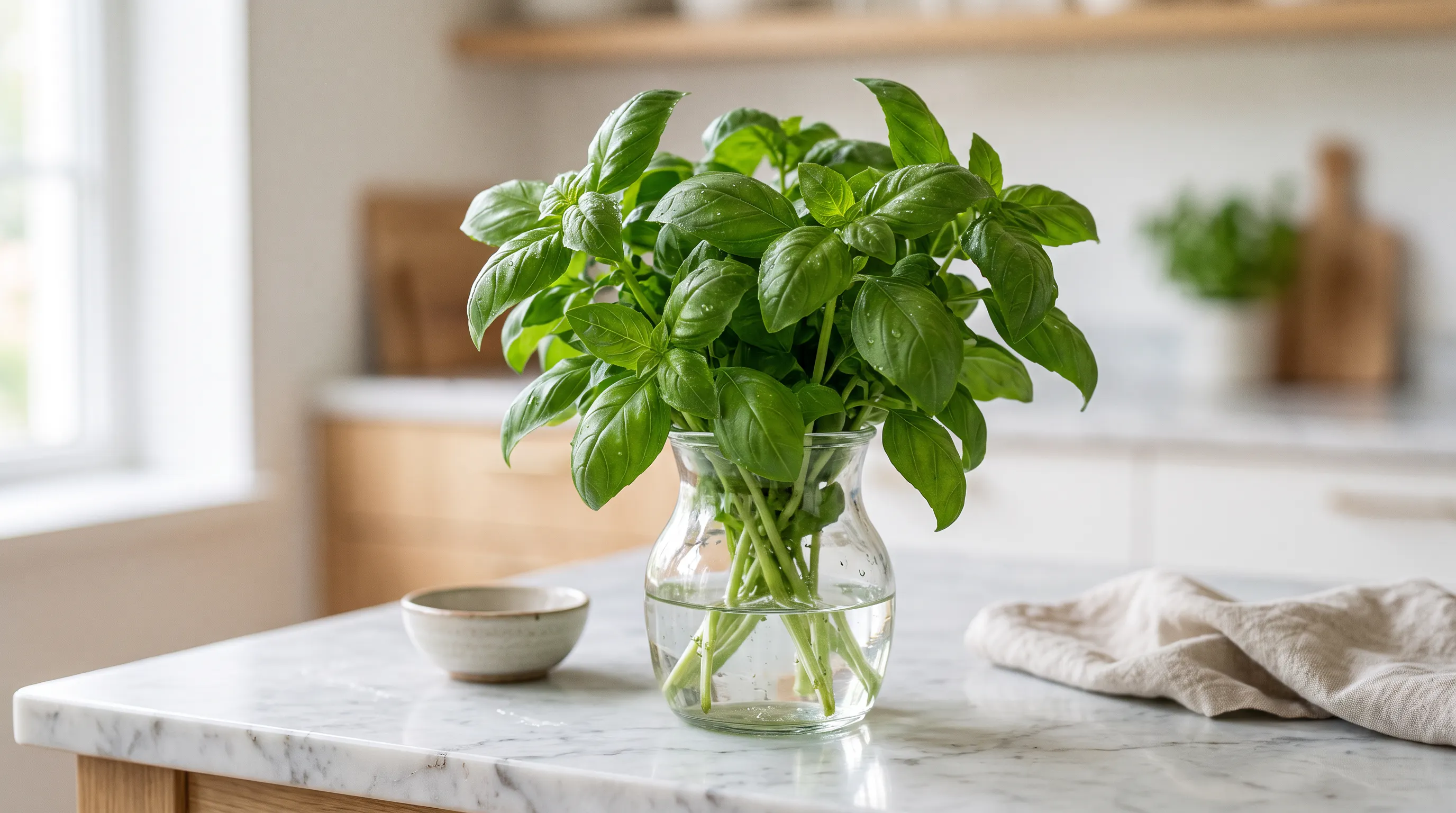
Don't put basil in the fridge. Cold temperatures cause the leaves to blacken, so it's better off on the kitchen bench: stems in a jar or glass of water, out of direct sunlight, with the water changed every couple of days.
Because ours is grown without pesticides or herbicides, there's less stress on the plant going into storage, so you'll notice less wilting after cutting. And because it's grown close to where it's sold, it spends less time in transit — which means less yellowing, and a fragrance that's still there when it reaches your kitchen.
Here's the head start most greens never get: ours arrive clean and dry. Grown indoors, pesticide-free, and never washed — so there's no leftover moisture quietly turning the leaves before you've even opened the pack. Store them well and they'll reward you.
Follow for recipes, farm tours and a very close look at some lettuce.
No — cold temperatures cause basil to blacken and lose flavour fast. Keep it on the bench instead, stems in water, out of direct sun.
Sweet (Genovese) basil is mild and slightly peppery — the classic pesto herb. Thai basil has a stronger, more aniseed flavour, built to hold up in curries and stir-fries.
Whole leaves lose quality in the freezer — they darken and lose their bite. If you've got a surplus, blend it with a little oil and freeze it in an ice cube tray instead; it holds up much better for cooking later.
Stored on the bench in water, it'll stay fresh for around a week — just remember to change the water every couple of days and trim the stems if they start to look tired.
No. We grow indoors with no soil, so there are no weeds or pests to manage — which means no pesticides or herbicides, ever.
Not certified, and here's why: organic certification in Australia requires soil, and ours is grown hydroponically. That said, we don't use any pesticides or herbicides at all — so while we can't carry the certification, the growing process is just as clean.
Pesto is the obvious one, but a handful of fresh basil lifts everything from a simple tomato salad to a Thai curry.