August 12, 2026
Chives vs Spring Onion: Same Family, Very Different Job
Dave Moorkens— Stacked Farm Chef
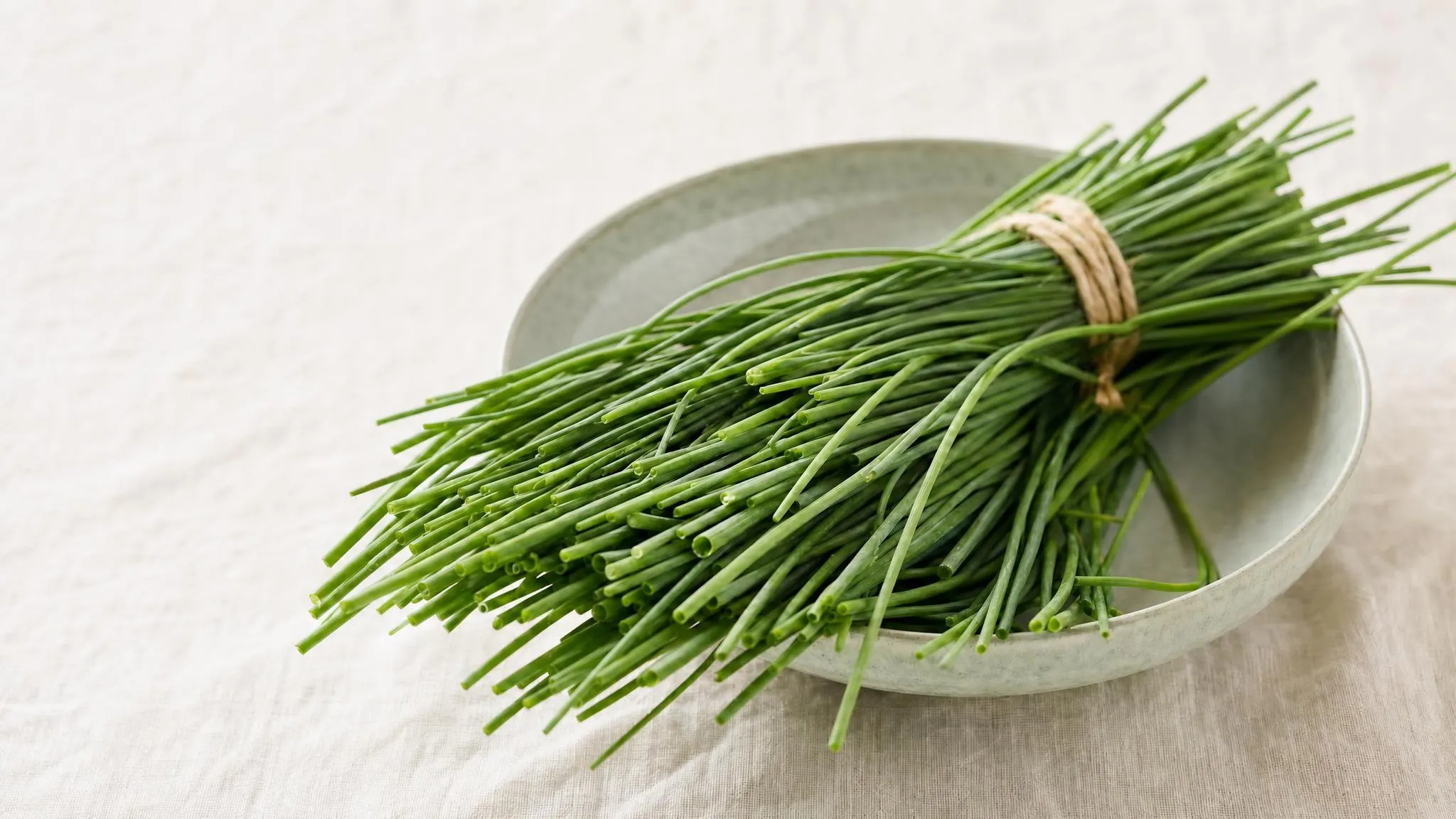
There are two common types in Australia. Onion chives have hollow, tubular stems and purple flowers, with a mild onion-like flavour, best used raw as a garnish. Garlic chives (sometimes called Chinese chives) have flat, solid stems and white flowers, with a stronger garlic flavour that holds up to cooking in stir-fries and dumplings.
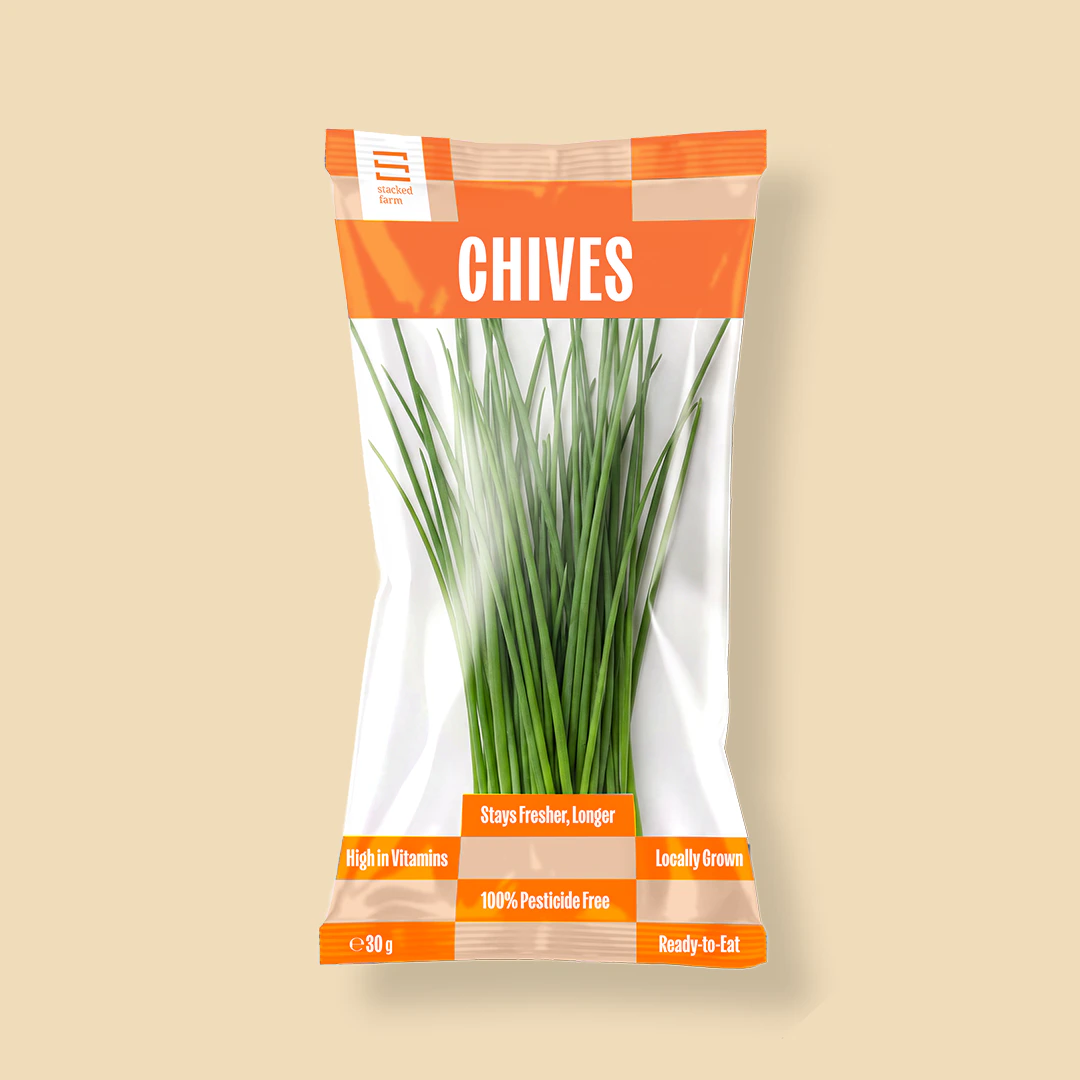
Both belong to the allium family, but they're not the same thing. Chives have thin, hollow stems and a mild onion flavour, and are used almost entirely as a garnish. Spring onions have a thicker stem and a small white bulb at the root, and are used more like a vegetable in cooking.
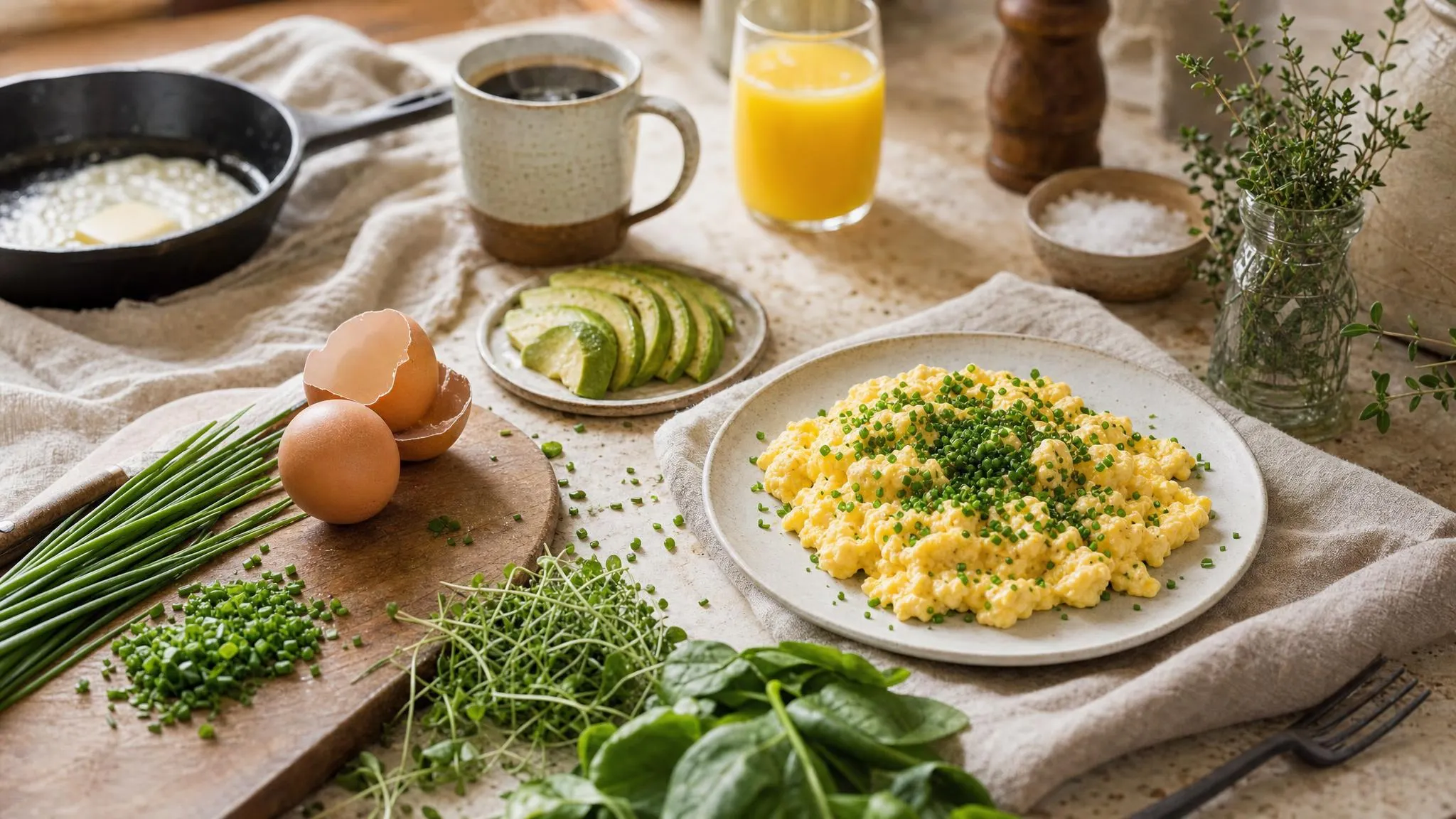
Chef’s tip — A handful of finely chopped chives stirred through weekend scrambled eggs adds a fresh, savoury lift to a simple breakfast.
Dave Moorkens — Stacked Farm Chef
Chives are eaten raw more often than not, straight off the plant with barely any preparation — which is exactly why growing them without pesticides or herbicides matters. Consistent heat and water levels indoors also stop the hollow stems from turning woody, something that can happen more easily out in the elements.
The same controlled conditions help keep chives tender and delicate, the exact texture that sets them apart from a hardier plant like spring onion.
Chef’s tip — For fine, restaurant-style chives, swap your knife for kitchen scissors. Snip them finely for a neat, delicate finish.
Dave Moorkens — Stacked Farm Chef
Chives are low in calories and carry Vitamin K and Vitamin C in that small, punchy dose you'd expect from a herb you only ever use a little of at a time.
Either works: keep them in a plastic bag in the fridge with a damp paper towel to hold in moisture, or stand them upright in a small glass of water like fresh flowers, changing the water every few days. Best used within about a week of harvest.
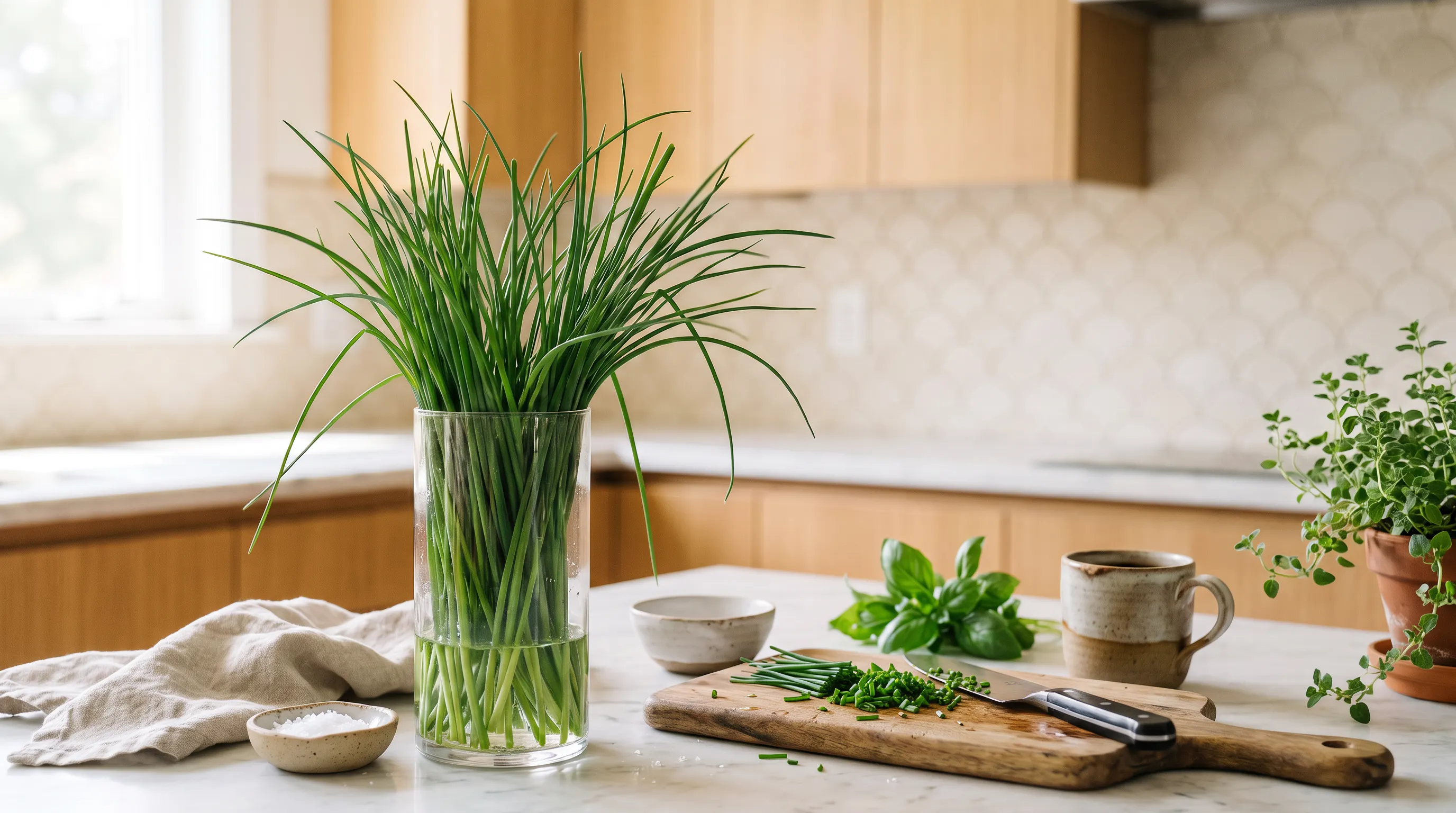
Here's the head start most herbs never get: ours arrive clean and dry. Grown indoors, pesticide-free, and never washed, so there's no leftover moisture quietly turning the leaves before you've even opened the pack. Store them well and they'll reward you.
Follow for recipes, farm tours and a very close look at some lettuce.
Onion chives have hollow stems, purple flowers and a mild onion flavour — raw only. Garlic chives have flat stems, white flowers and a stronger garlic flavour, and can be cooked into dishes like stir-fries.
Related, but not the same. Chives are thinner, hollow-stemmed and used as a garnish. Spring onions are thicker, have a small bulb, and are used more like a vegetable.
Onion chives are best raw. Garlic chives are sturdier and can handle heat, showing up in stir-fries and dumplings.
Stacked's Chives last about 18 days, whether stored wrapped in a damp paper towel or standing in a small glass of water.
No. We grow indoors with no soil, so there are no weeds or pests to manage — which means no pesticides or herbicides, ever.
No. Ours is ready to eat straight from the bag — skip the rinse.
Not certified, and here's why: organic certification in Australia requires soil, and ours is grown hydroponically. That said, we don't use any pesticides or herbicides at all — so while we can't carry the certification, the growing process is just as clean.
A fine scatter over eggs, fish or a finished dish — chives are made for the last thirty seconds before serving. Browse our Chives recipes → for ideas.