September 7, 2026
How to Cook Halloumi, and the Salad to Put It On
Dave Moorkens— Stacked Farm Chef
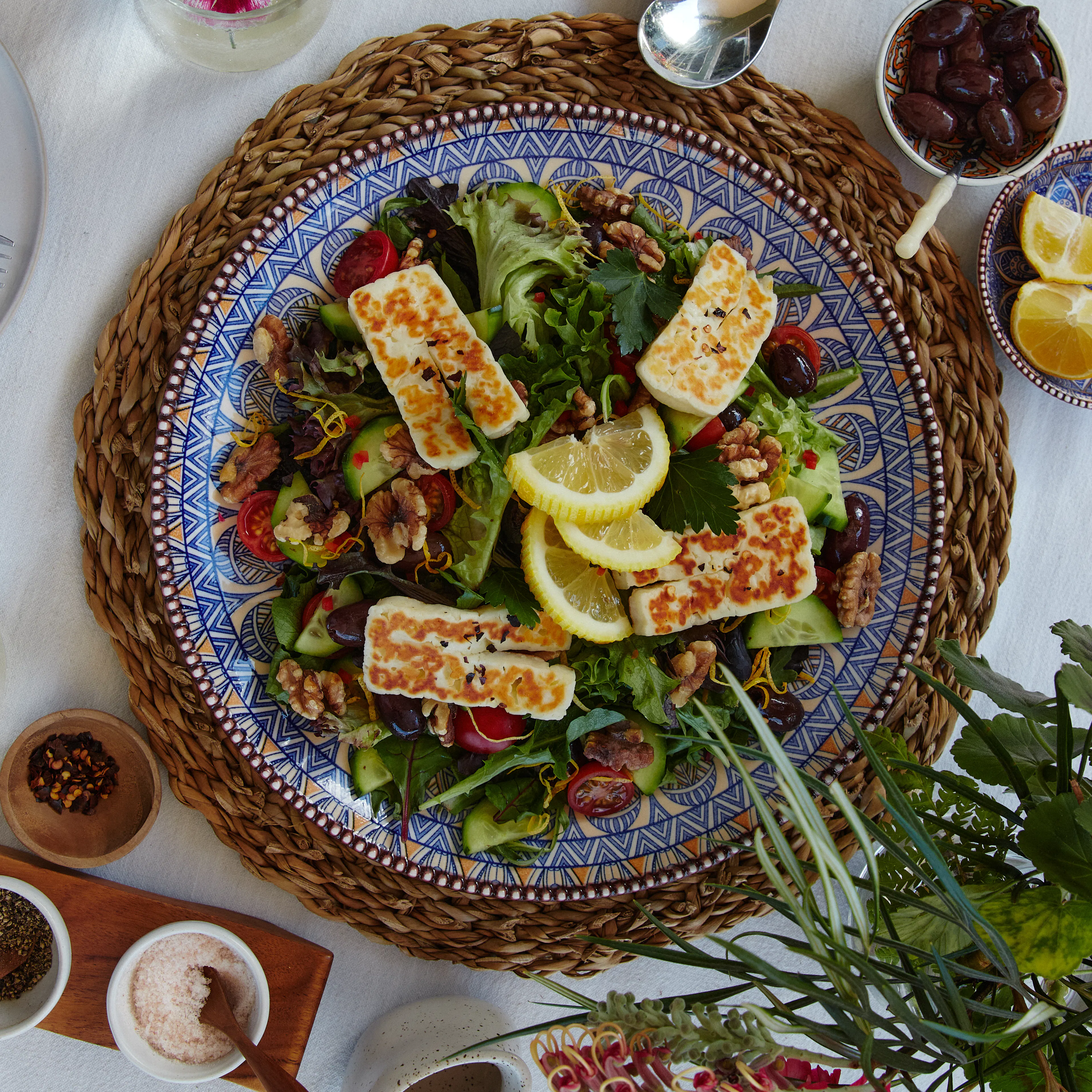
Serves 2 · Ready in 15 minutes
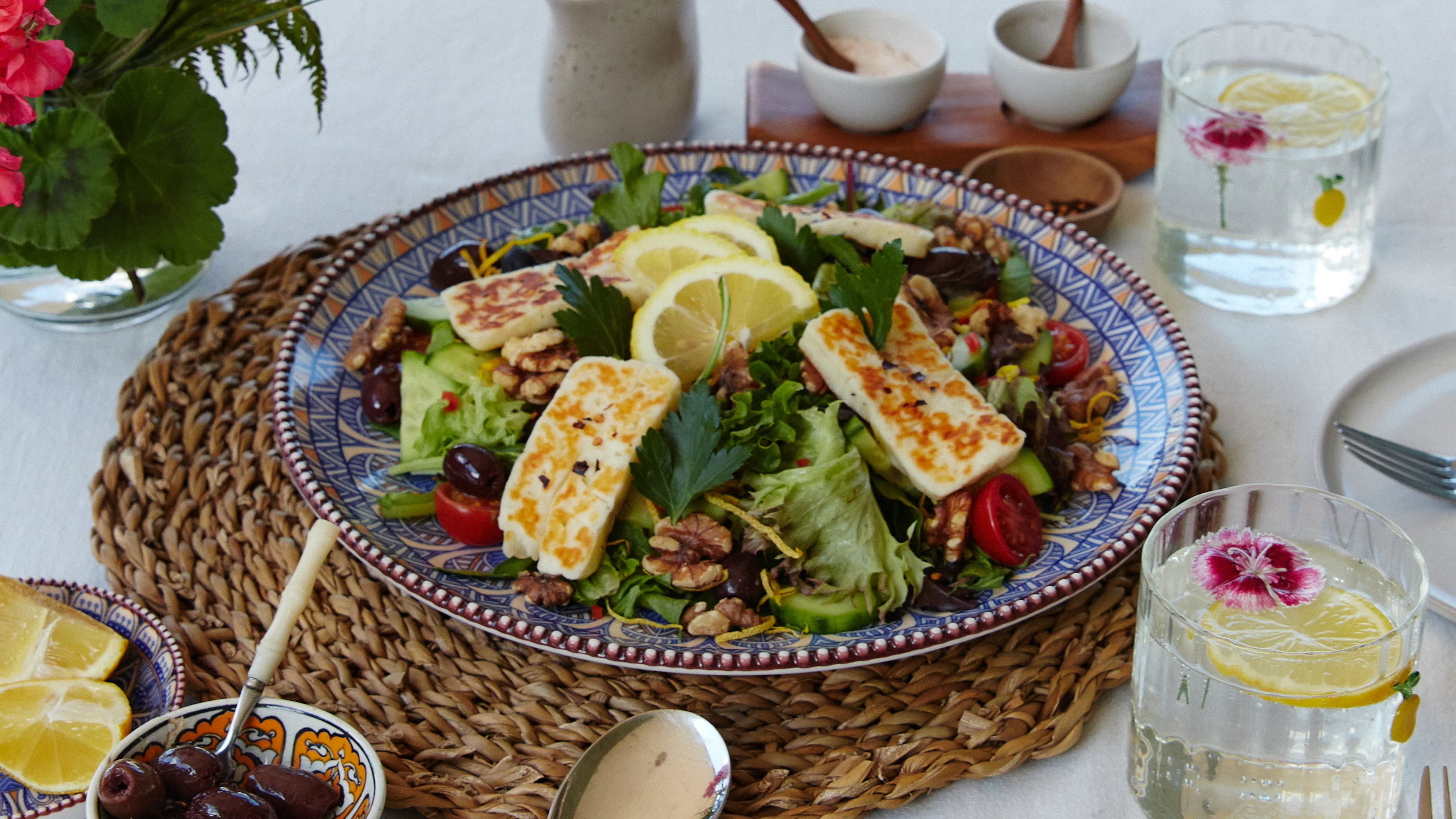
Halloumi is one of the few cheeses you can put straight into a hot pan without it collapsing into a puddle, and that single fact is the reason this salad eats like a proper meal rather than a side. You get salty, golden, slightly squeaky cheese sitting on cold leaves, with lemon and chili cutting through the middle of it.
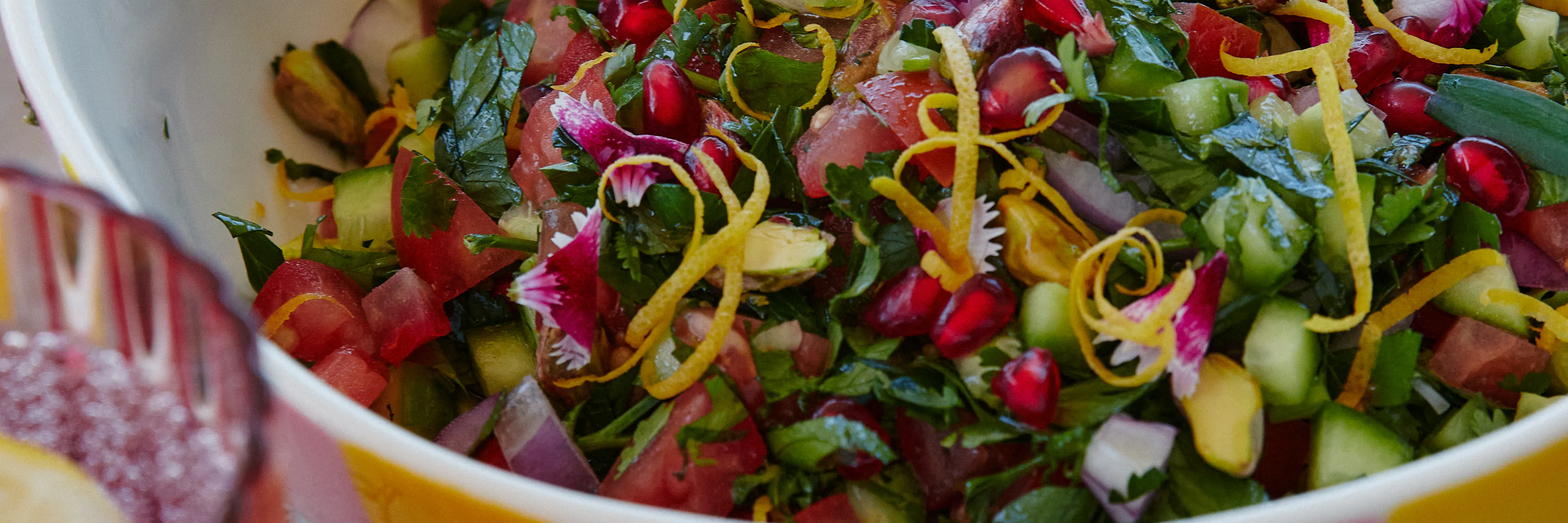
Everything else here is doing a specific job. The tomato and cucumber bring water and sweetness, the olives double down on the salt, and the walnuts give you something to bite.
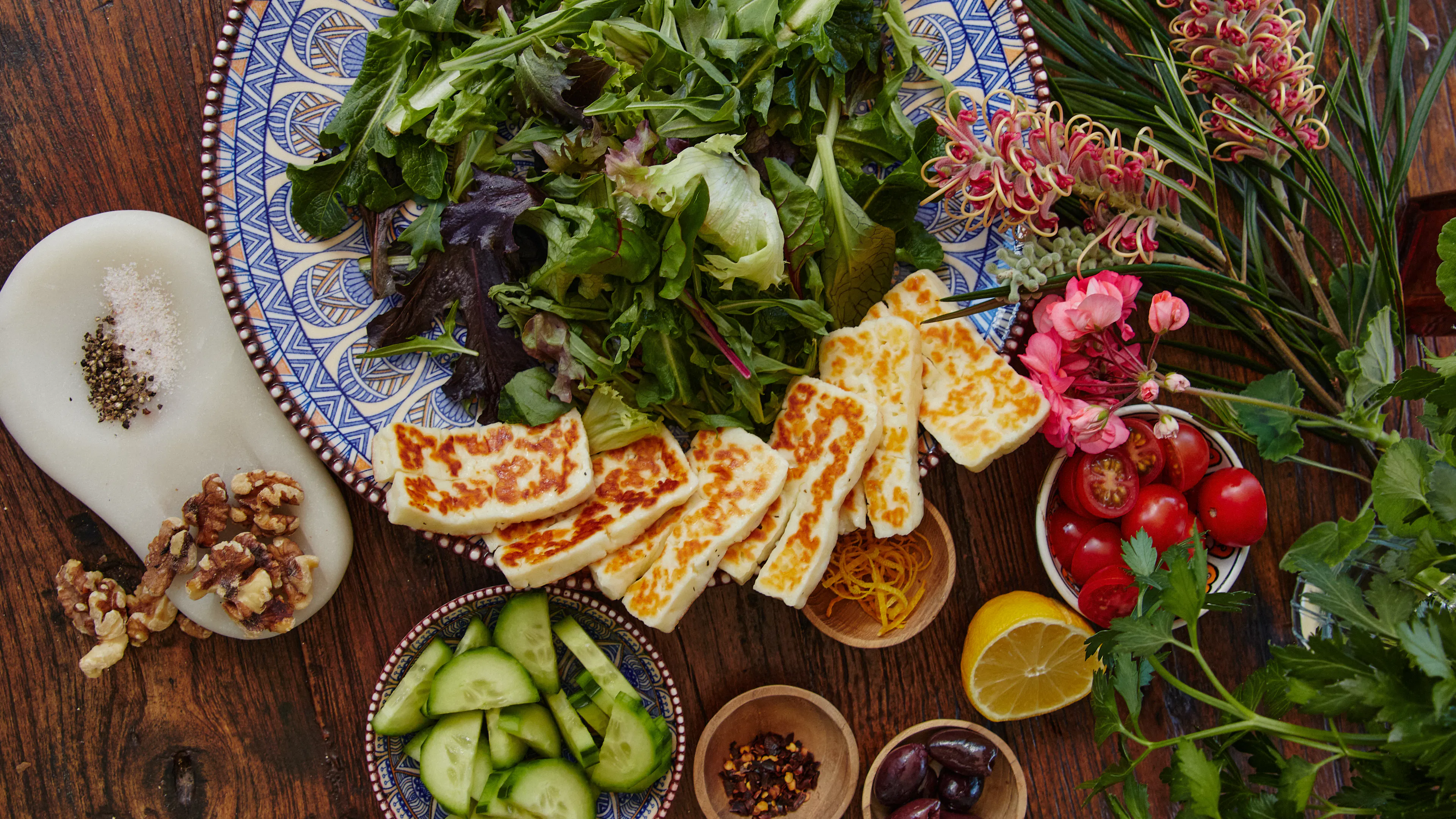
Note on the halloumi: most US blocks come in at 8 oz, so use the whole thing. A little extra cheese has never ruined this dish.
Chef's tip: Pat the halloumi dry before it goes in the pan and get the pan properly hot first. Then leave it alone. People flip it every ten seconds and wonder why it hasn't coloured. Give it two or three minutes a side without touching it and you'll get that golden crust. Serve it while it's hot too, because halloumi goes firm and squeaky as it cools and it's never quite as good the second time around.
Dave Moorkens — Stacked Farm Chef
It's worth hunting for, and most larger grocery stores now carry it in the specialty cheese case rather than with the block cheddar. If yours doesn't, the cheeses that behave the same way in a hot pan are queso para freír or queso panela, which you'll find in the Latin section, Finnish bread cheese if your store stocks it, and paneer at an Indian grocer. All of them hold their shape and take on color. None of them are as salty as halloumi, so add a little more olive and a pinch of salt to the leaves if you swap.
Salt is doing most of the heavy lifting, between the halloumi and the olives, so the lemon and chilli are there to stop it getting one-note. The cold leaves underneath are the reset button. Every mouthful goes from warm and rich to cool and fresh, which is the whole reason a warm salad is worth the extra pan.
A drained tin of chickpeas turns this into a fuller dinner without changing its character. Torn mint works beautifully alongside the lemon if you want it fresher, and toasted almonds are a fine swap for walnuts if that's what's in the cupboard.
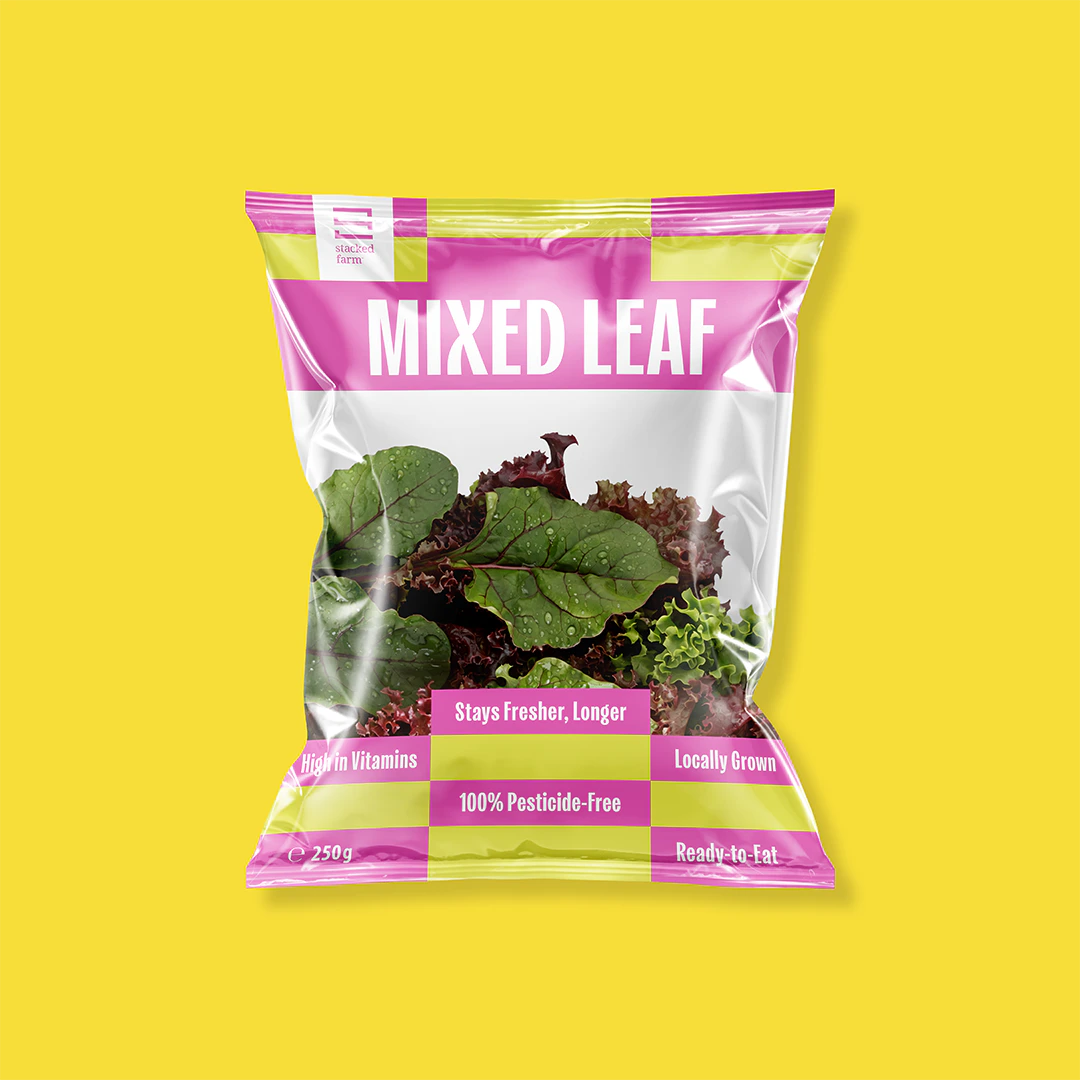
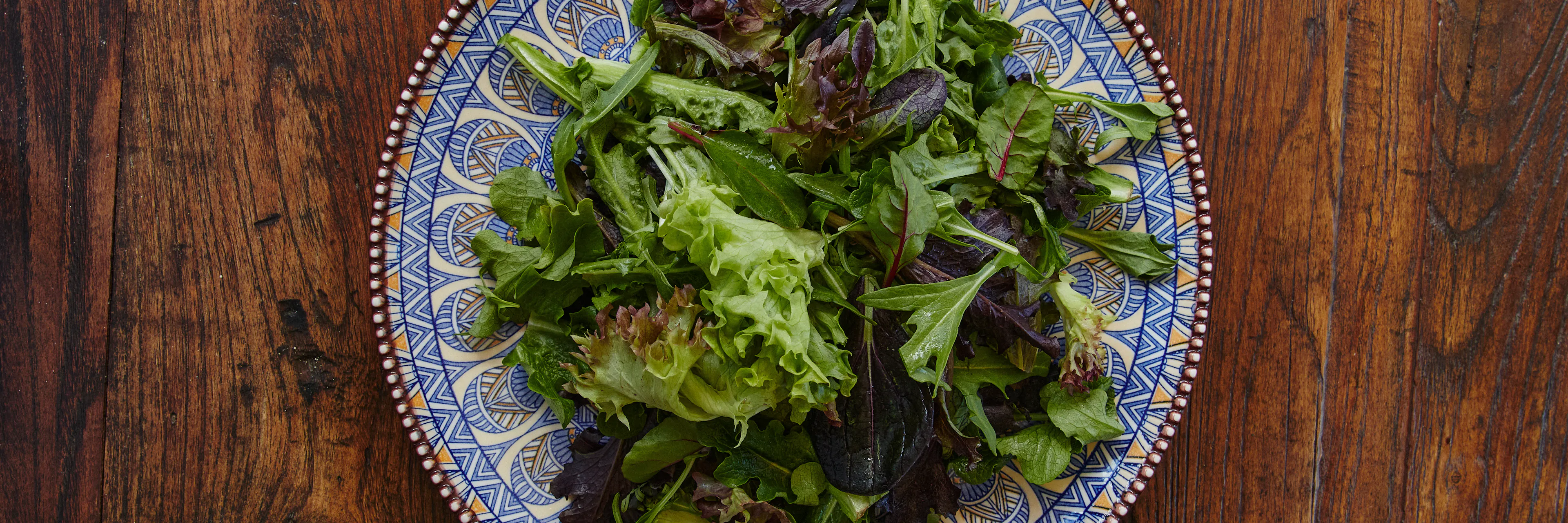
Warm halloumi waits for nobody, so this is a salad you want to build fast. Our mixed leaf is grown indoors without pesticides and never washed, which means it comes out of the pack clean, dry and ready to go into the bowl. No rinsing, no spinning, no wet leaves watering down your dressing while the cheese cools on the bench.
Follow for recipes, farm tours and a very close look at some lettuce.
Pat it dry, get the pan properly hot, and give it two to three minutes a side without moving it. Serve it straight away, because halloumi firms up as it cools.
Only a little, or none at all in a good non-stick pan. Halloumi releases its own fat as it heats, so too much oil in the pan will make it greasy rather than crisp.
You can, but it's squeaky and quite salty uncooked. Heat is what softens the inside and gives you the golden crust that makes this salad work.
Most halloumi sold in Australia is made with microbial rennet and is suitable for vegetarians, but not all of it, so it's worth a look at the label if it matters to you.
A firm, salty cheese from Cyprus, traditionally made with sheep's and goat's milk. Its high melting point is the whole point: it holds its shape in a hot pan and colors rather than melting.
Prepare the salad and the dressing ahead and keep them separate. Cook the halloumi and dress the leaves right before you eat, or you'll lose both the crust and the crunch.
No. Stacked Farm mixed leaf is grown indoors without pesticides and never washed, so it's ready to eat straight from the pack.