August 12, 2026
Dill, Explained: Feathery Leaves, Big Scandinavian Flavour
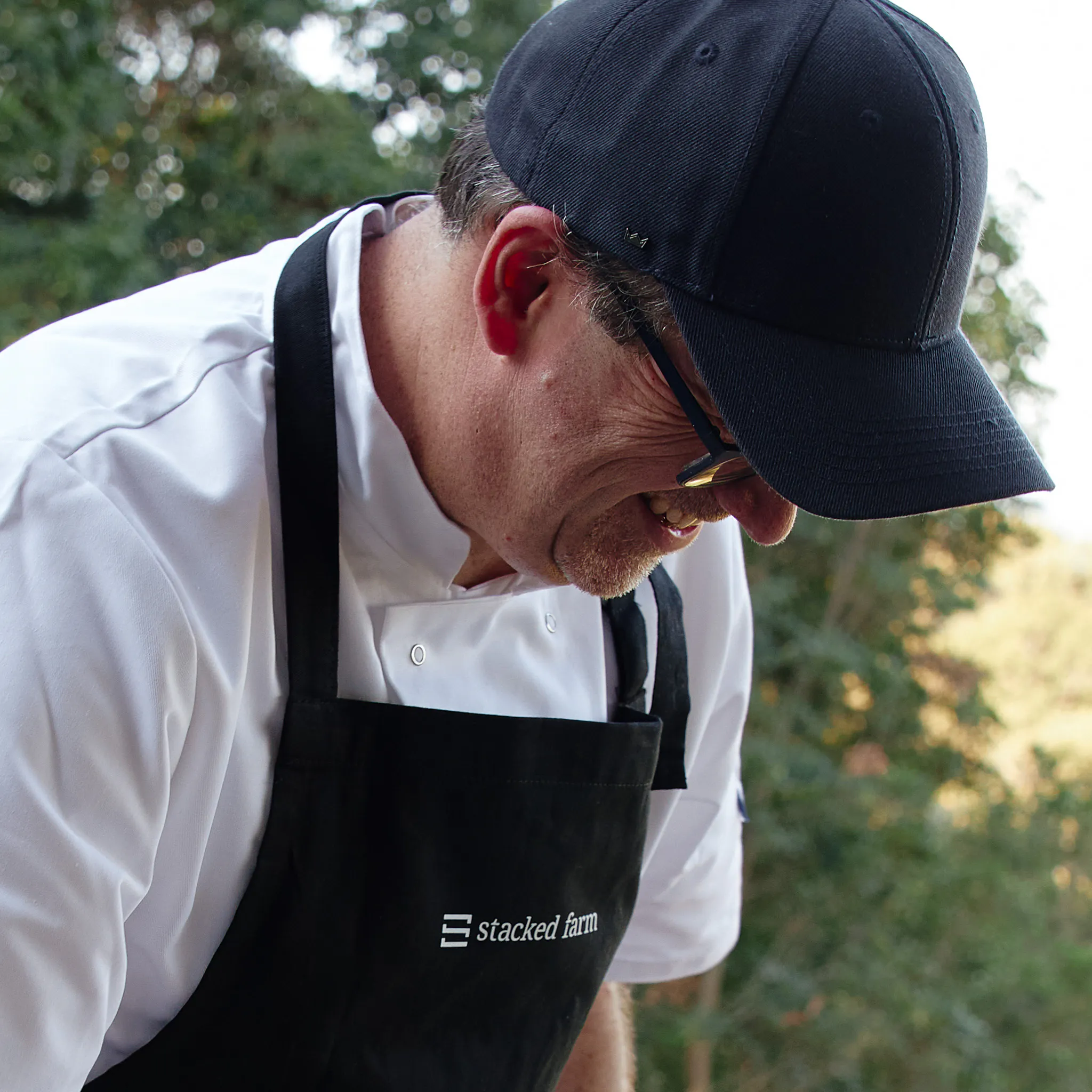
Dave Moorkens— Stacked Farm Chef
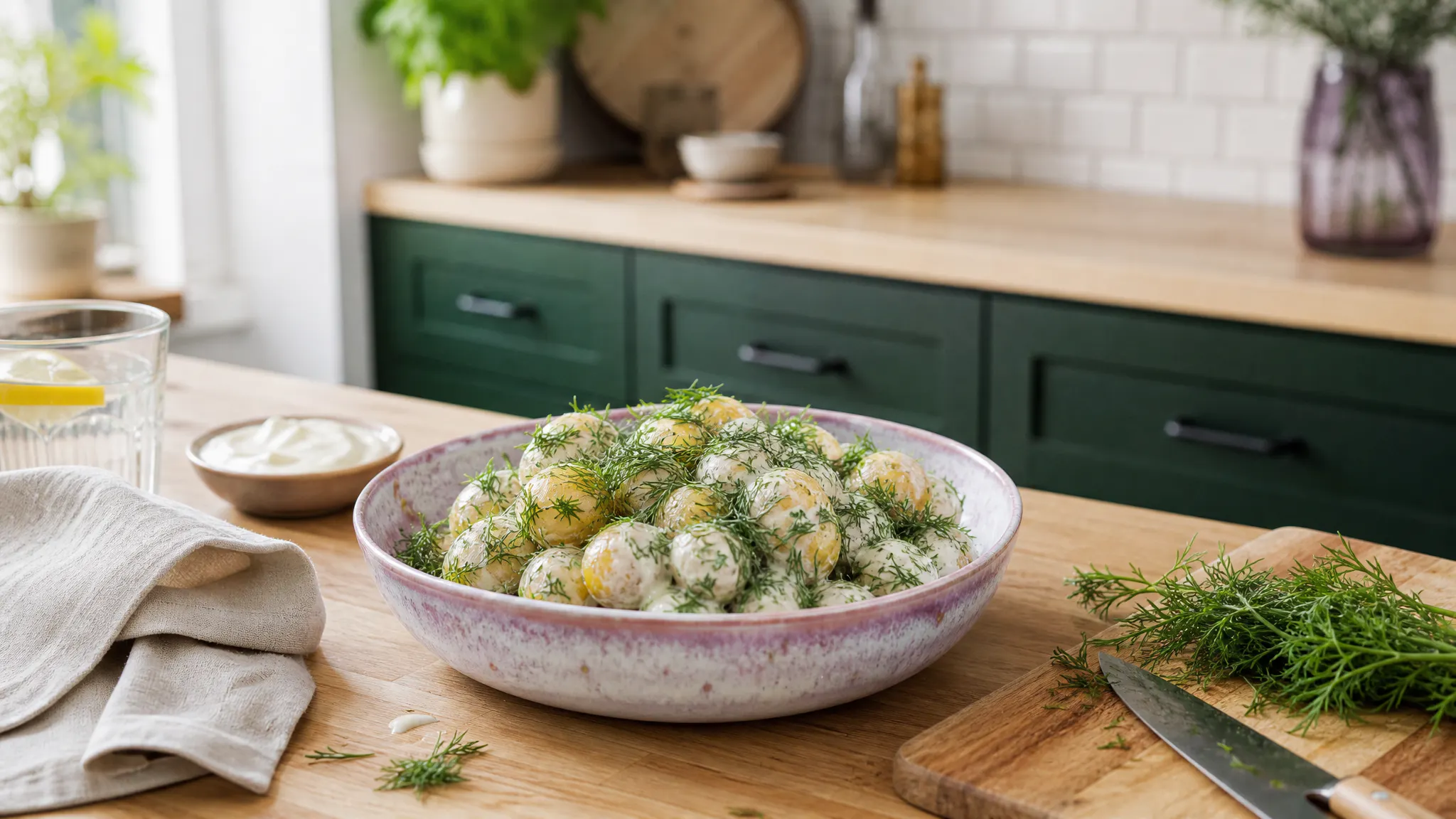
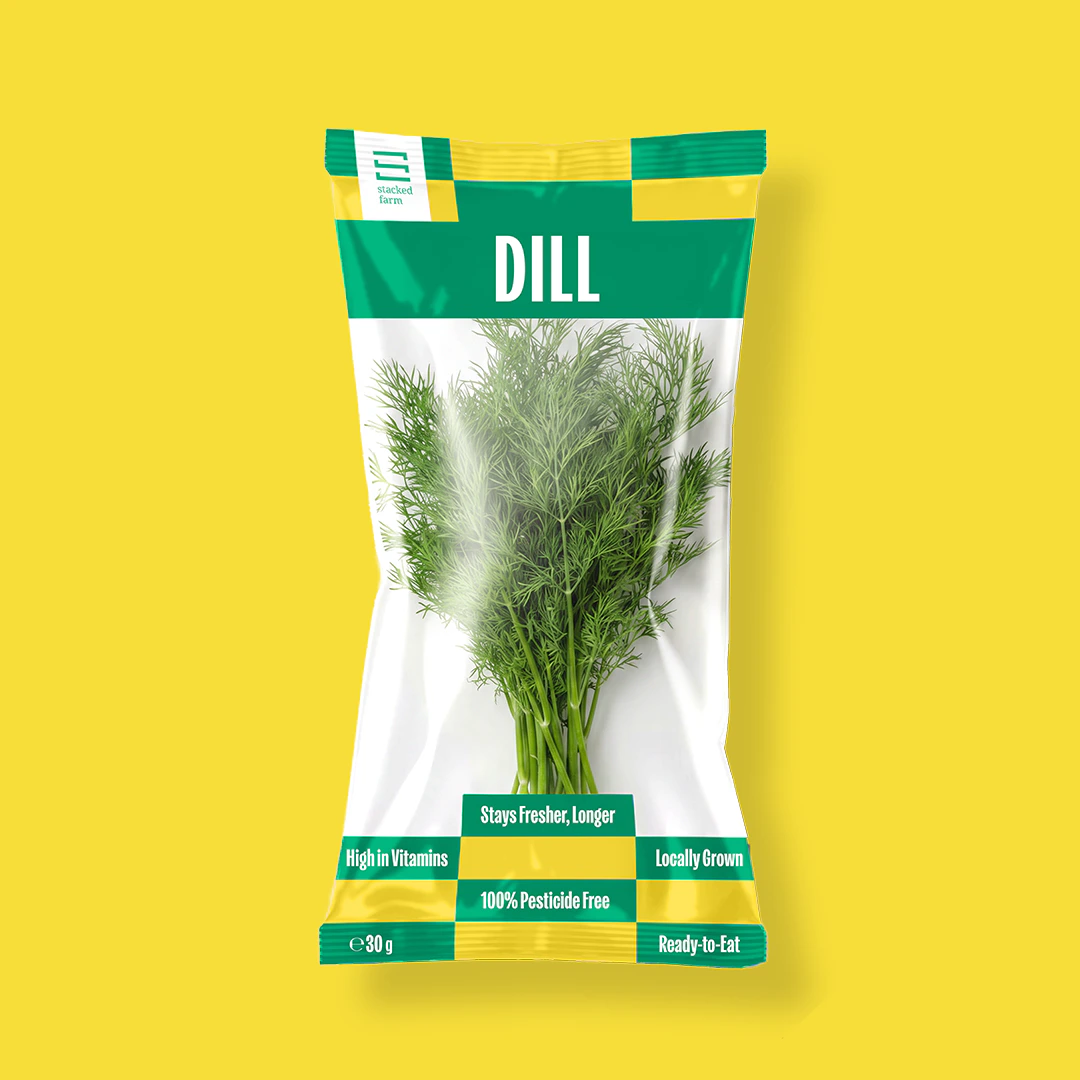
Dill is a strongly flavoured herb with delicate, feathery leaves — a staple of pickling, and a fixture in Scandinavian and Eastern European cooking. It's best known alongside fish, especially salmon, but it holds its own fresh or dried in plenty of other dishes too.
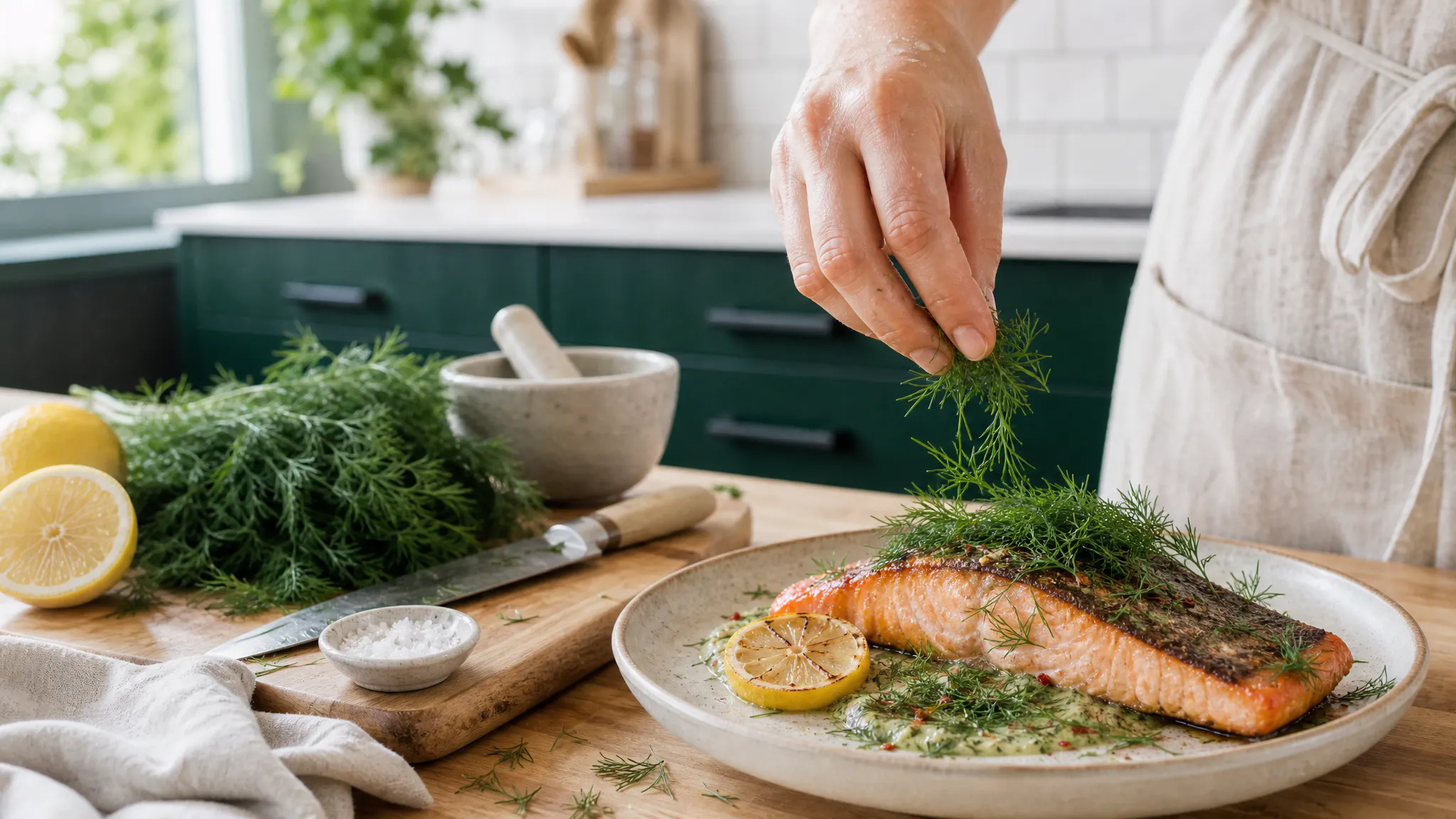
Chef’s tip — Dill’s fresh, delicate flavour pairs beautifully with lemon and seafood, particularly crustaceans and molluscs.
Dave Moorkens — Stacked Farm Chef
Dill's feathery leaves are genuinely fragile — easily damaged by insects, wind and rain in the field. Growing it indoors takes all of that off the table, which means less leaf damage and no need for pesticides or herbicides.
That distinctive, strong aroma is also easy to lose. A shorter growing and storage chain means dill's volatile oils have less time to fade before it reaches your kitchen.
Chef’s tip — Add fresh dill just before serving for an instant lift of bright, aromatic flavour.
Dave Moorkens — Stacked Farm Chef
Dill's more about flavour than nutrition, but it does carry some Vitamin C and antioxidants alongside that distinctive aroma.
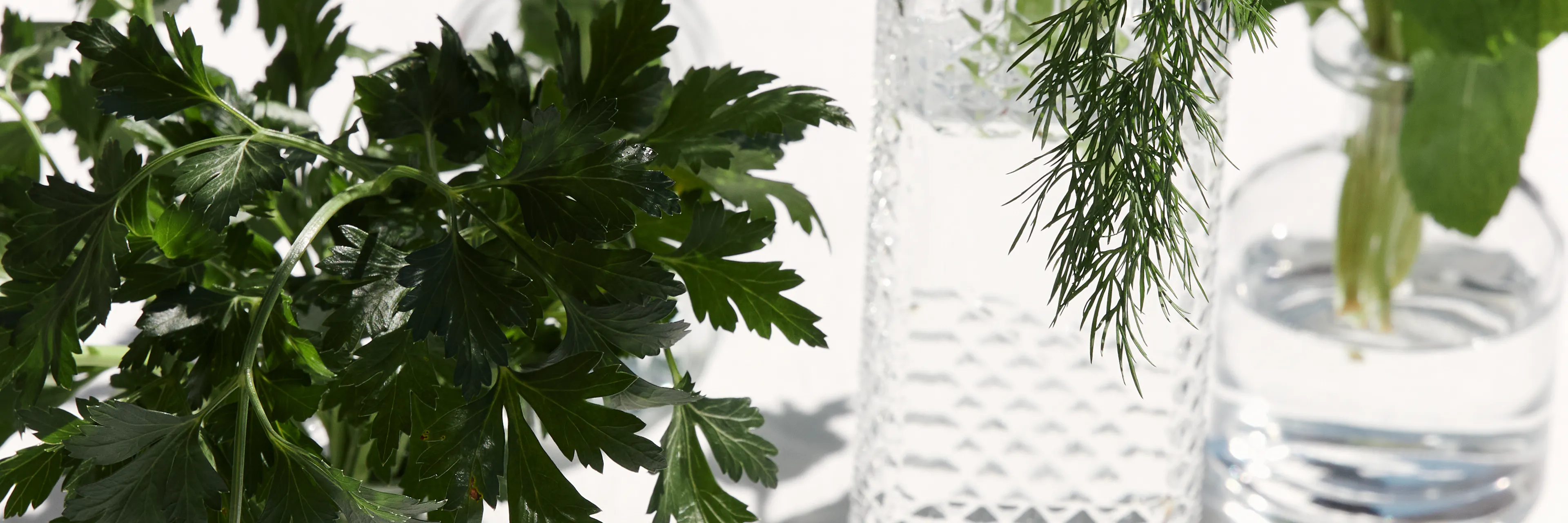
Treat it like fresh flowers. Trim the stems, stand them in a glass or jar of water, and store in the fridge with a bag loosely covering the leaves. Changing the water every few days helps it last longer.
Dill wilts easily, so growing it without pesticides and getting it to you via a shorter supply chain both help it stay fresher for longer once it's in your kitchen.
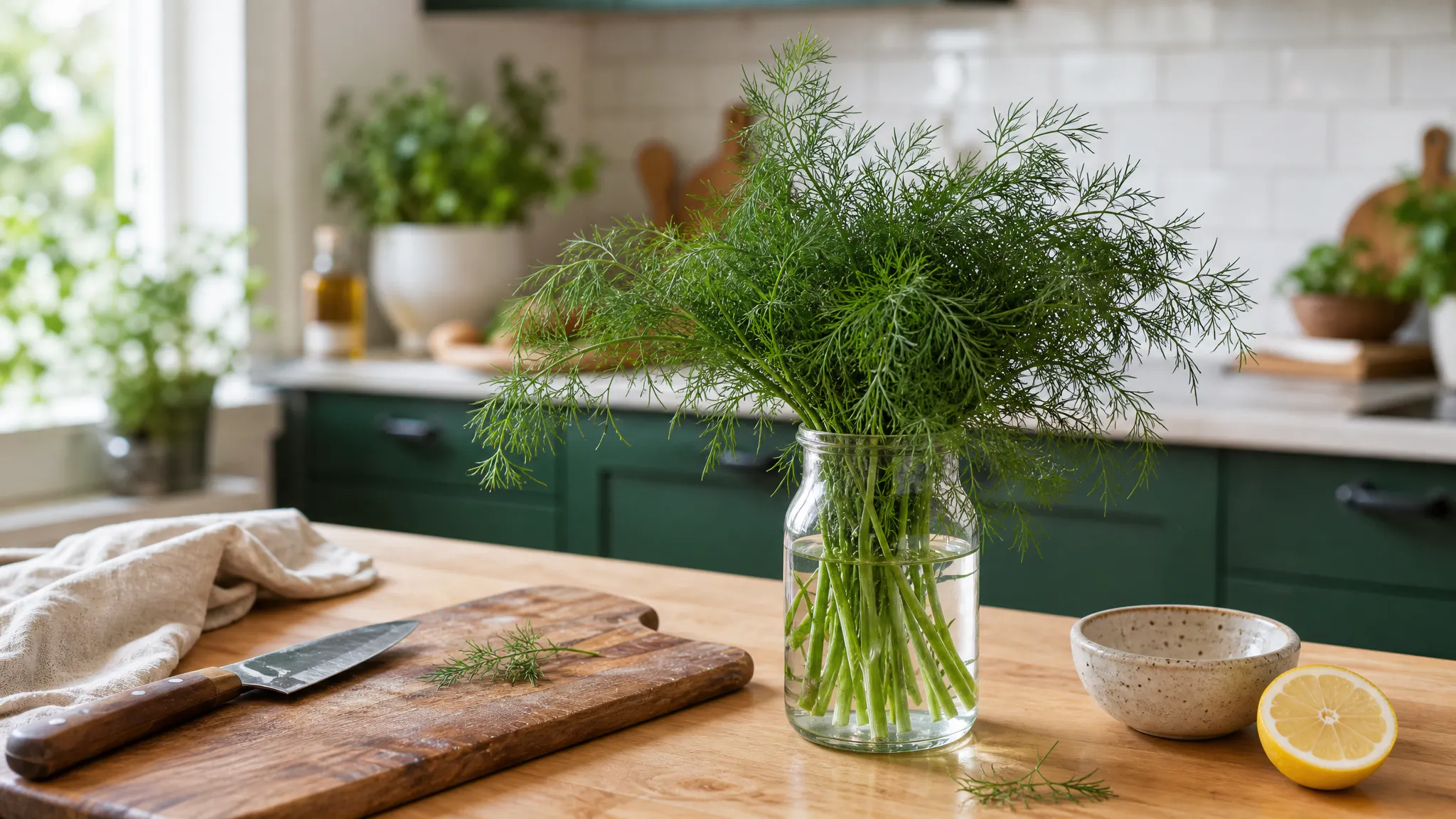
Here's the head start most herbs never get: ours arrive clean and dry. Grown indoors, pesticide-free, and never washed — so there's no leftover moisture quietly turning the leaves before you've even opened the pack. Store them well and they'll reward you.
Follow for recipes, farm tours and a very close look at some lettuce.
Pickling is the obvious one, but it's just as much at home with salmon and other fish, in Scandinavian and Eastern European dishes, and stirred through yoghurt-based sauces.
You can, though the flavour is noticeably milder. Fresh is worth seeking out if the dish is built around it, like a classic dill and salmon pairing.
Its leaves are thin and feathery, with very little structure to hold onto moisture — handle it gently and use it sooner rather than later.
No. We grow indoors with no soil, so there are no weeds or pests to manage — which means no pesticides or herbicides, ever.
No. Ours is ready to eat straight from the bag — skip the rinse.
Not certified, and here's why: organic certification in Australia requires soil, and ours is grown hydroponically. That said, we don't use any pesticides or herbicides at all — so while we can't carry the certification, the growing process is just as clean.
Pickles, salmon, and a lift for anything that could use a bit of Scandinavian flair. Browse our Dill recipes → for ideas.