August 12, 2026
Cilantro: The Herb That Divides a Dinner Table
Dave Moorkens— Stacked Farm Chef
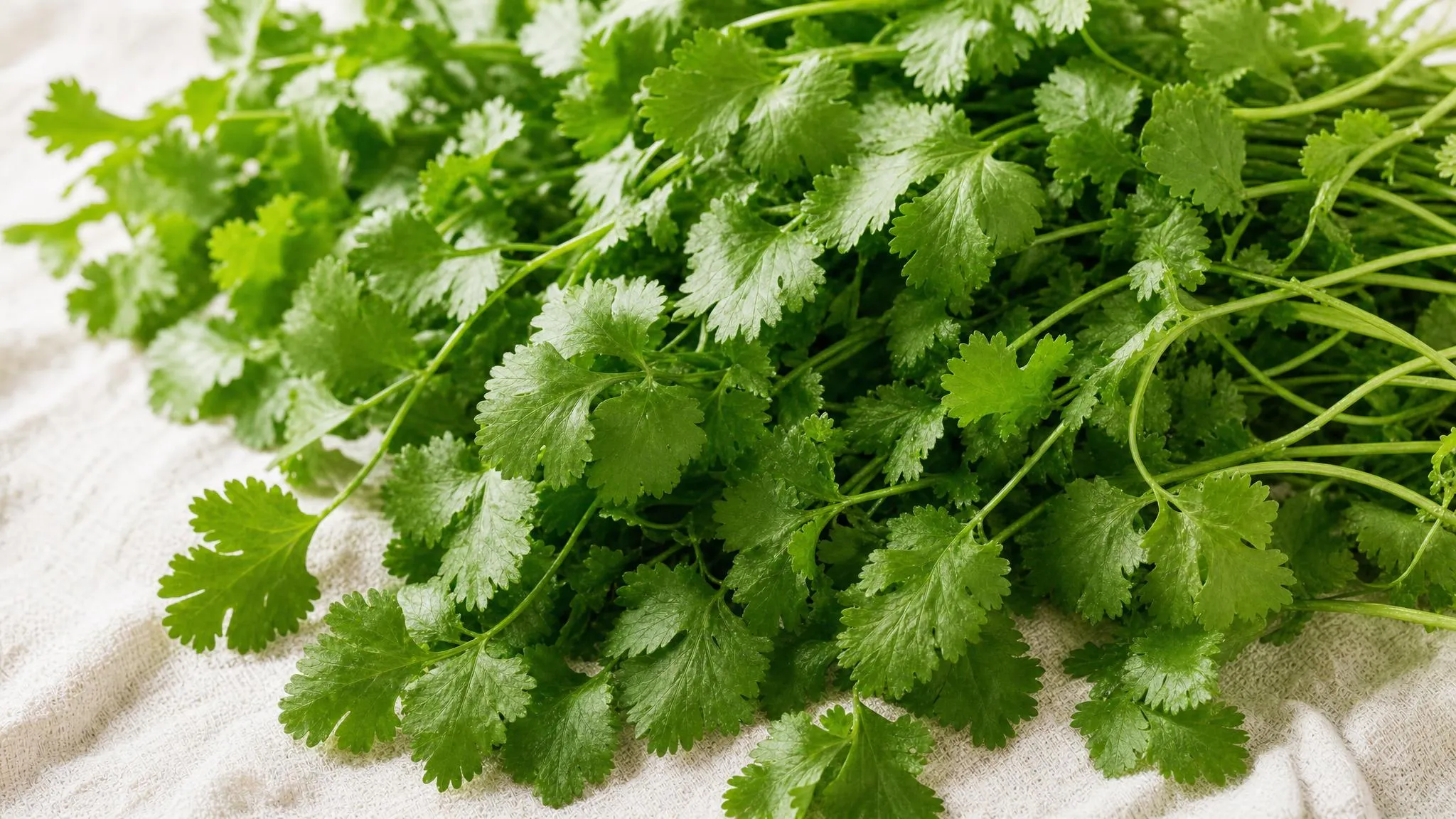
Yes, same herb, different name depending on where you are. In Australia, the UK and most other countries, "coriander" refers to the fresh leaf. In the US, "coriander" is reserved for the dried seed, and the fresh leaf is called cilantro.
Cilantro's a big, distinctive flavor — a staple across Mexican, Indian, Thai, Vietnamese and other Far Eastern cuisines. It's typically used fresh, added right at the end of cooking or scattered on as a garnish, so the flavor hits at full strength.
Chef’s tip — Keep the chop rough
Skip the fine chopping. Use cilantro leaves whole or roughly chopped to preserve their texture, freshness and flavor.
Dave Moorkens — Stacked Farm Chef
For a small percentage of people, a gene variant makes it taste soapy rather than fresh — so if someone at your table swears they hate it, it might not just be a fussy palate.
Growing cilantro indoors keeps its delicate flavor intact and makes it far less likely to bolt (go to seed early) in hot weather — which means a more reliable supply of fresh, fragrant leaves regardless of the season. It's also grown without pesticides or herbicides, which matters when a herb's being used fresh and raw straight off the stem.
A shorter growing and storage chain also means cilantro's volatile oils, these are the ones that release when you crush or chop the leaves, meaning they haven't had time to fade in transit.
Chef’s tip — Add it last
Heat can quickly dull cilantro's fresh, distinctive flavor, so add it right at the end of cooking or just before serving.
Dave Moorkens — Stacked Farm Chef
Cilantro is more of a flavor hero than a nutritional one, but it does carry a good dose of Vitamin K and antioxidants alongside that big, distinctive taste.
Treat it like fresh flowers. Trim the stems, stand them in a glass or jar of water, and store in the fridge with a bag loosely covering the leaves. Change the water every couple of days for the best results.
Cilantro yellows quickly, so the time between harvest and storage matters — the shorter that gap, the longer it holds up in your fridge once it's home.
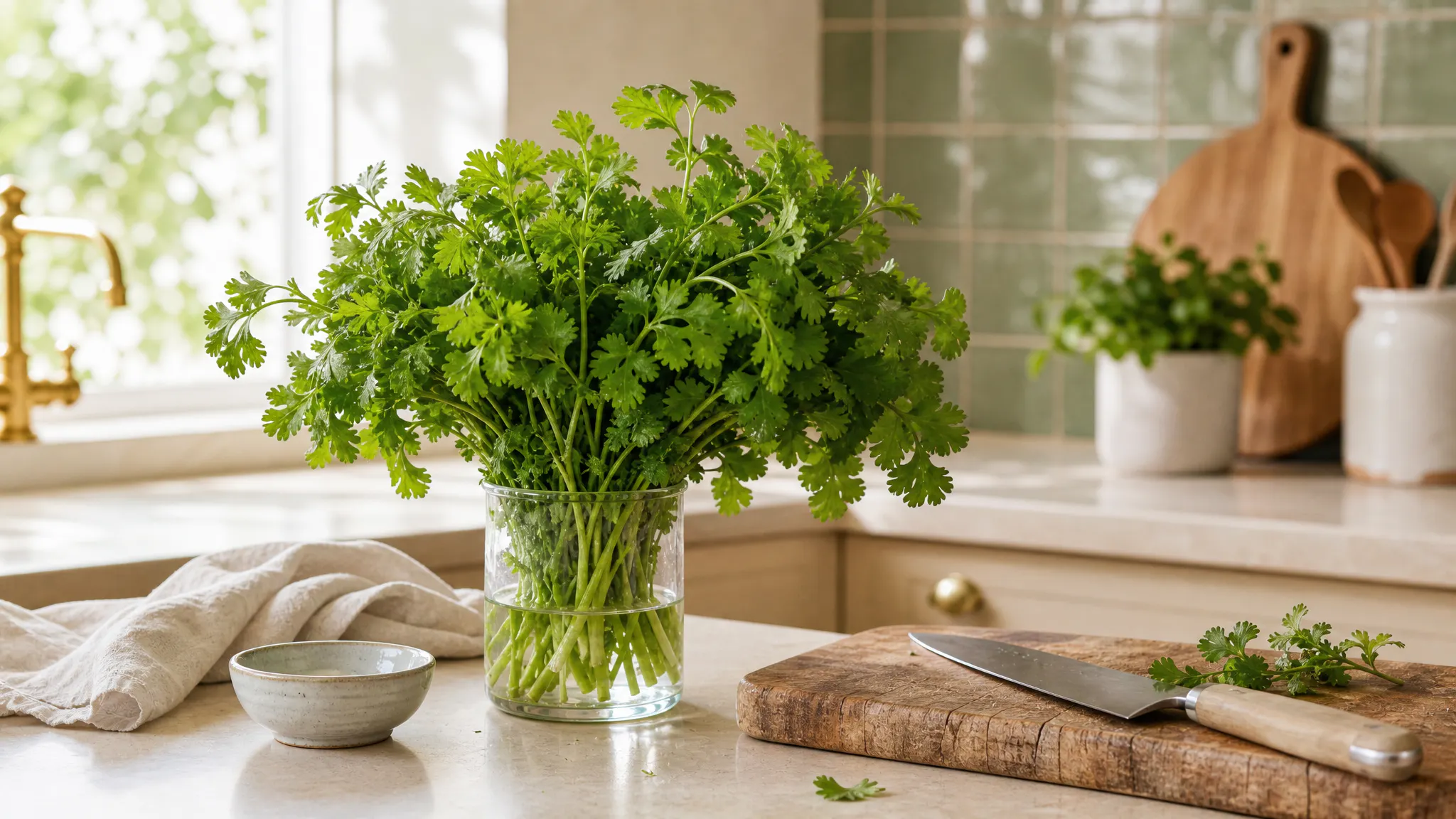
Here's the head start most herbs never get: ours arrive clean and dry. Grown indoors, pesticide-free, and never washed — so there's no leftover moisture quietly turning the leaves before you've even opened the pack. Store them well and they'll reward you.
Follow for recipes, farm tours and a very close look at some lettuce.
Yes. "Coriander" is the fresh leaf almost everywhere except the US, where "coriander" means the dried seed and "cilantro" is the fresh leaf.
It's genetic, not just fussy taste. A gene variant makes cilantro taste soapy to a small percentage of people — for everyone else, it tastes fresh and citrusy.
Whole leaves lose quality in the freezer, they will darken and lose their bite. If you've got a surplus, chop it and freeze it in oil or water for use in cooked dishes later.
No. We grow indoors with no soil, so there are no weeds or pests to manage — which means no pesticides or herbicides, ever.
No. Ours is ready to eat straight from the bag, theres nothing sprayed on so nothing to wash off.
Not certified, and here's why: organic certification in Australia requires soil, and ours is grown hydroponically. That said, we don't use any pesticides or herbicides at all — so while we can't carry the certification, the growing process is just as clean.
A finishing touch on curries, salsas and Asian salads, or the backbone of a good guacamole.