17 August 2026
Tomato, Burrata & Basil Caprese with Basil Oil
Dave Moorkens— Stacked Farm Chef
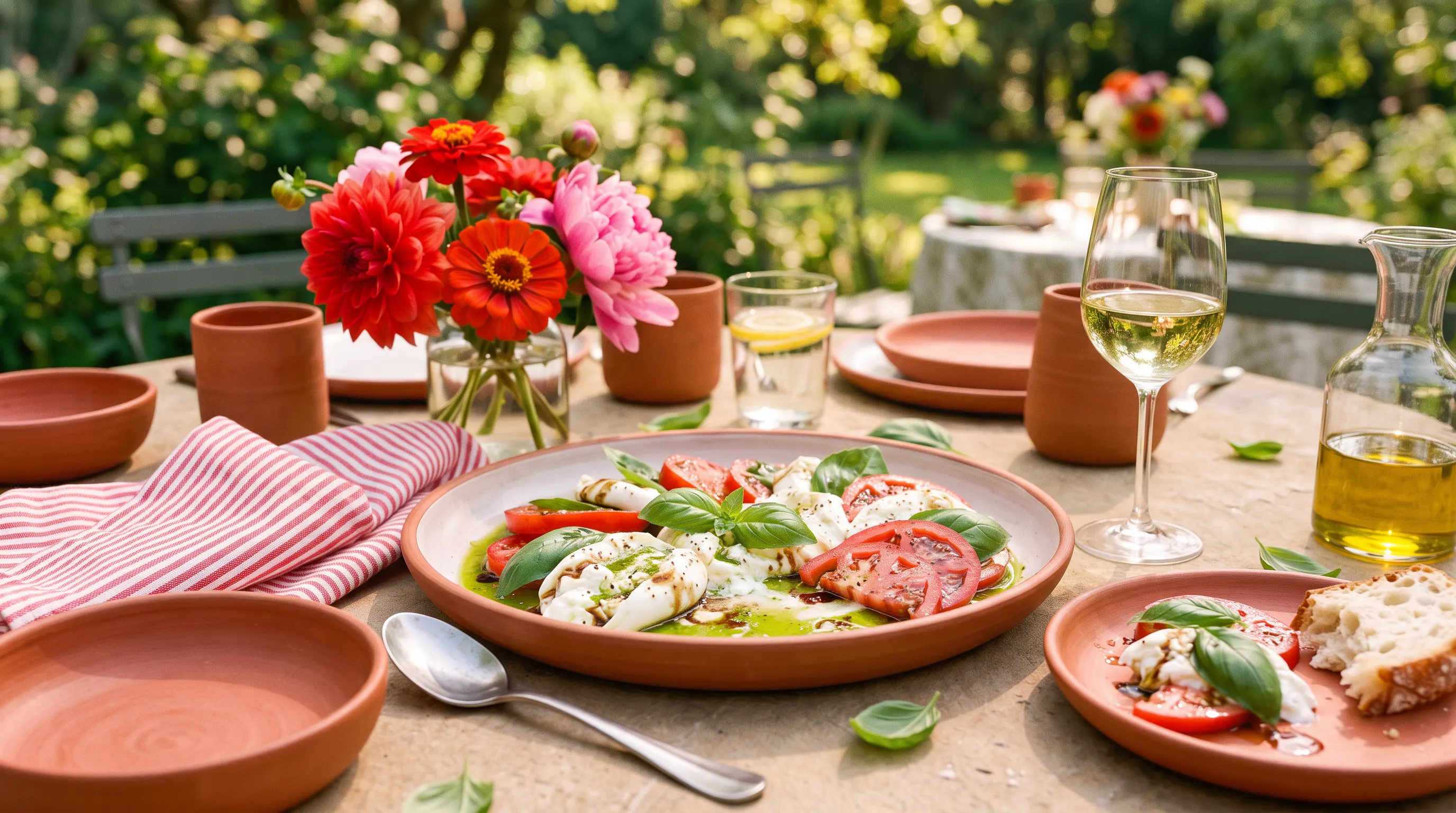
Serves 2 · 15 minutes · No cooking · Vegetarian
Caprese is three ingredients on a plate, which means there is absolutely nowhere to hide. If the tomato is bland or the basil is tired, you'll taste it immediately, and no amount of good olive oil will cover for it.
Dave's version adds one small piece of work in the form of a basil oil, which takes about two minutes in a blender and turns the whole thing from a nice plate of tomatoes into something that looks like it came out of a kitchen.
Dave's tip, on the tomatoes — Keep them out of the fridge. Cold ruins a tomato, it goes mealy and loses most of what makes it taste like a tomato, and no dressing will bring that back. Buy them a couple of days ahead if you can and leave them on the bench. Slice them, salt them lightly, and let them sit for five minutes before you build the plate. You'll see the juice come to the surface and that's flavour you've just switched on.
Dave Moorkens — Stacked Farm Chef
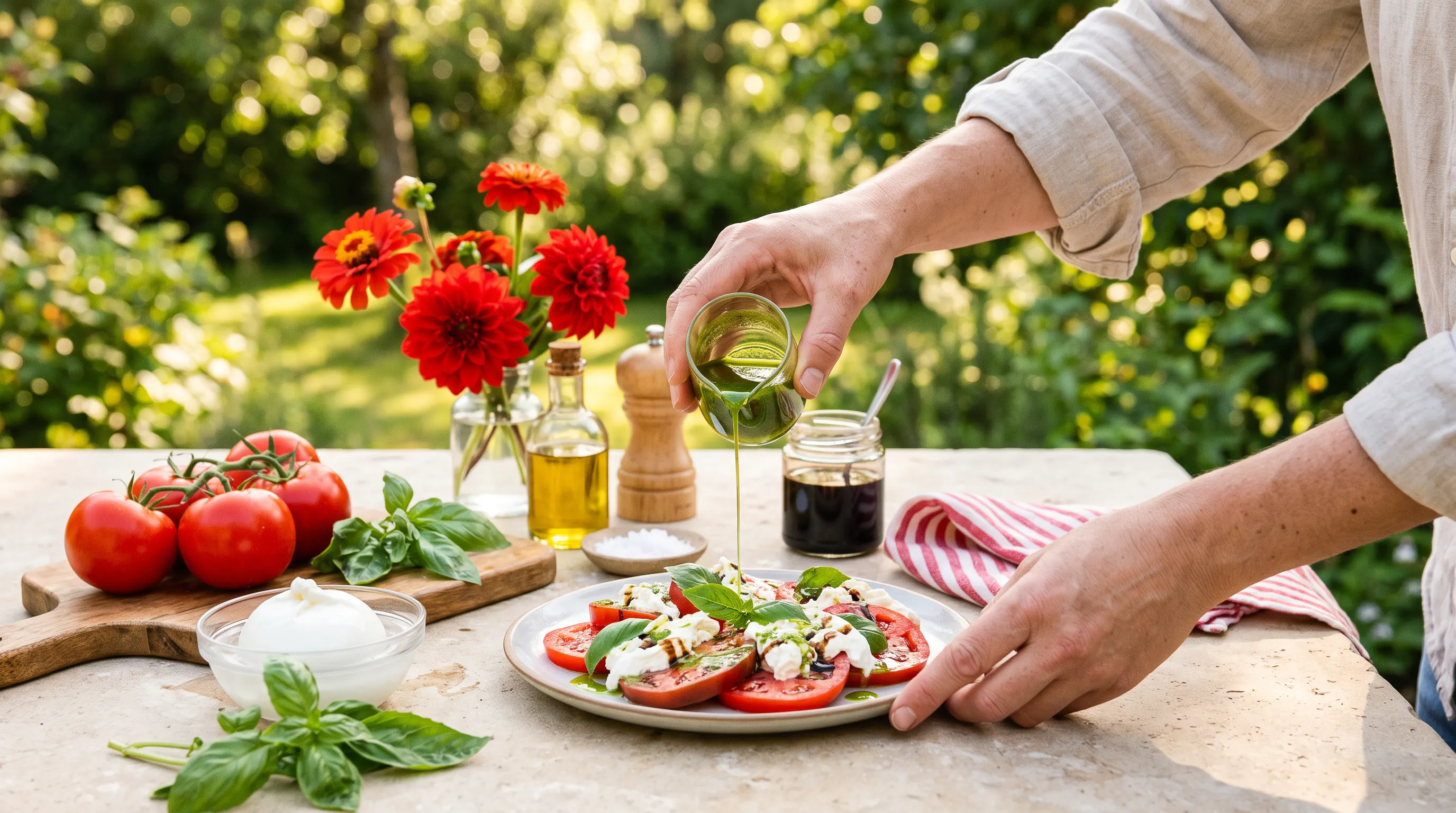
Dave's tip, on the basil oil — Work fast. Basil oxidises the moment you cut into it, so blend it quickly, strain it straight away, and use it the same day. If you let the blender run and run you'll heat the oil, and heated basil goes from bright green to a sad khaki in about thirty seconds. Short bursts, then through the sieve, then onto the plate.
Dave Moorkens — Stacked Farm Chef
The tomato brings acidity and sweetness, the burrata brings fat and salt, and the basil sits between them. That's the whole classic and it has survived this long because it's balanced. The basil oil is doing something slightly different, because it puts basil flavour into every bite rather than only the ones with a leaf in them, and the flaky salt at the end gives you little bursts of crunch against all that softness.
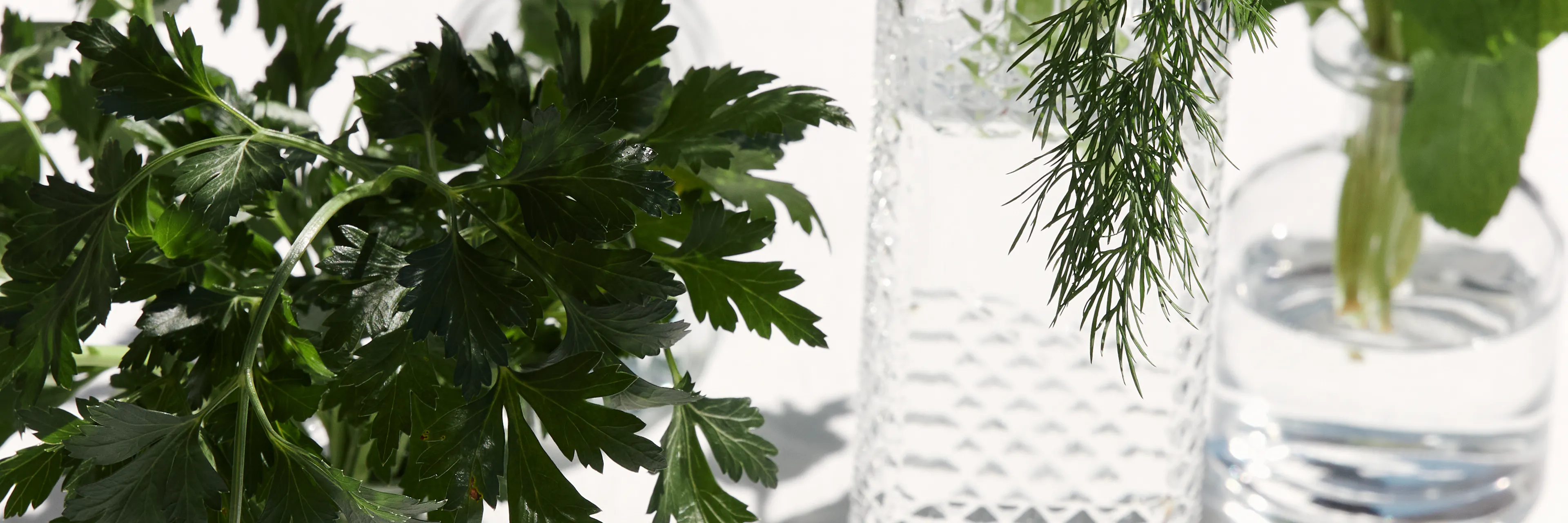
You'll have basil left over, and the single most useful thing to know is that it doesn't belong in the fridge. Basil is a tropical plant and cold damages it, so the leaves go black and translucent within a day or two. Stand the stems in a glass of water on the bench like a small bunch of flowers instead, out of direct sun. If you want to use it up properly, pesto is the answer.
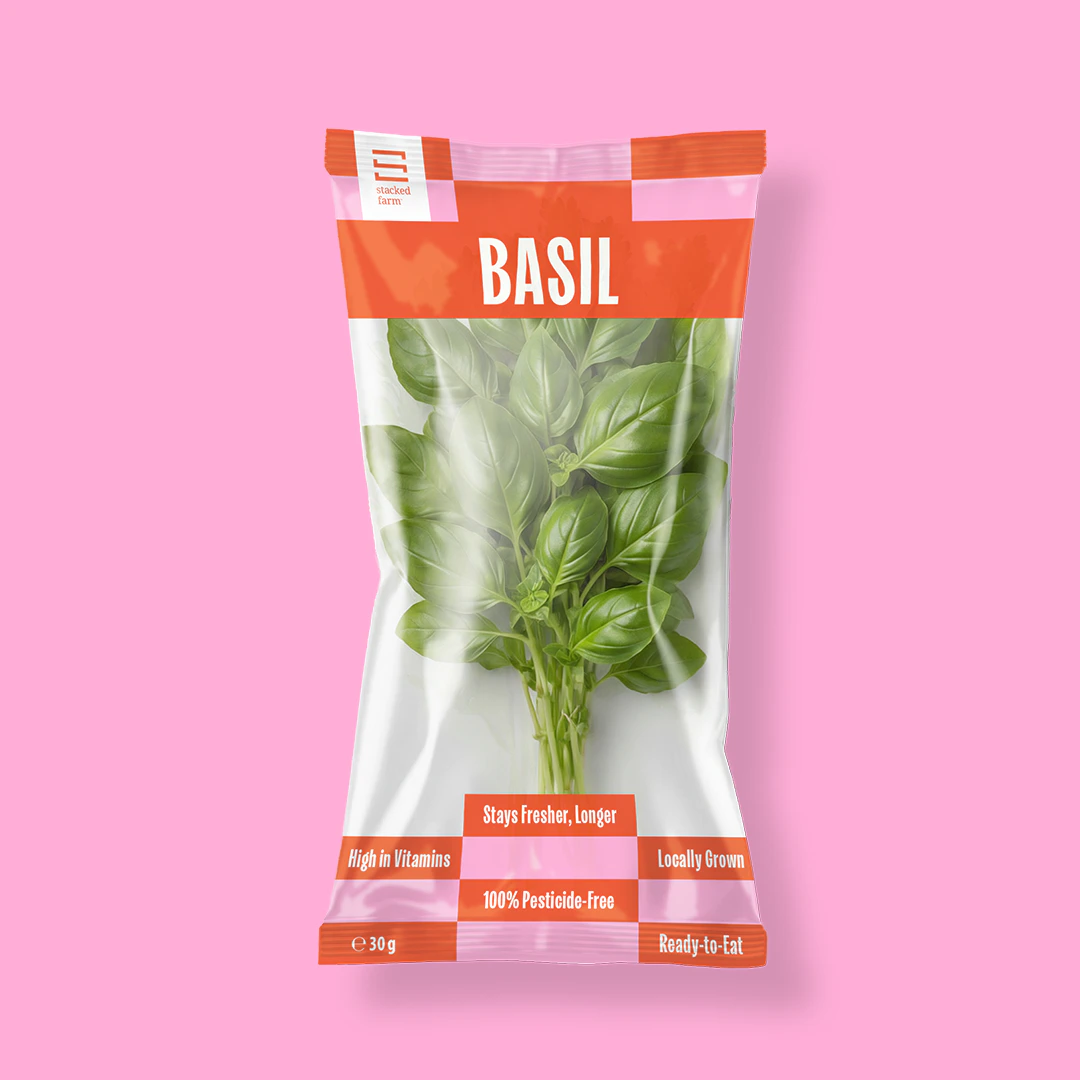
Basil bruises if you look at it wrong, and bruised basil blackens. Ours is grown indoors without pesticides and never washed, so the leaves arrive clean, dry and intact, which matters more here than in almost any other dish. Whole leaves for the plate, and enough good ones left over for the oil.
Follow for recipes, farm tours and a very close look at some lettuce.
Blend basil leaves with olive oil in short bursts, then strain through a fine sieve. Work quickly and use it the same day, because basil oxidises fast and long blending heats the oil and dulls the colour.
No. Cold makes tomatoes mealy and strips their flavour, so keep them on the bench and only refrigerate them once they're cut.
Burrata is mozzarella wrapped around a soft, creamy centre. It's richer and it spills when you tear it, which is why it's worth the swap in a dish this simple.
Take it out of the fridge about twenty minutes before serving. Fridge-cold burrata is firm and muted, and the cream inside won't run.
Not really. Slice and salt the tomatoes a few minutes ahead, but assemble everything else at the last minute, or the salt draws water out and the plate goes soupy.
Not in the fridge. Basil is a tropical plant and cold turns the leaves black, so stand the stems in a glass of water on the bench, out of direct sunlight.
The dish is, but burrata and mozzarella are sometimes made with animal rennet, so check the label if that matters to you.
No. Stacked Farm basil is grown indoors without pesticides and never washed, so it's ready to use straight from the pack.
Our greens land in Australian stores soon. Leave us your email and you will get the store list the day it is confirmed, plus recipes from Dave, our chef, and the odd offer worth having.
No spam, just greens. Unsubscribe any time. See our Privacy Policy.