10 August 2026
What is the best way to store fresh herbs?

Dave Moorkens— Stacked Farm Chef

Fresh herbs are delicate. Get them home, shove the bag in the crisper, and half of them are slimy before you know it.
The fix isn't luck, it's method, and also different depending on the herb. Just like in cooking, our chef splits herbs into two camps: hard (woody) and soft (finishing) and each likes to be stored its own way.
Sturdy herbs are the easy ones. Your options:
The golden rule: keep moisture out. Damp is what turns them.

Delicate leaves need a little more care. Pick the method that matches what you've got.
A few rules that make a real difference:

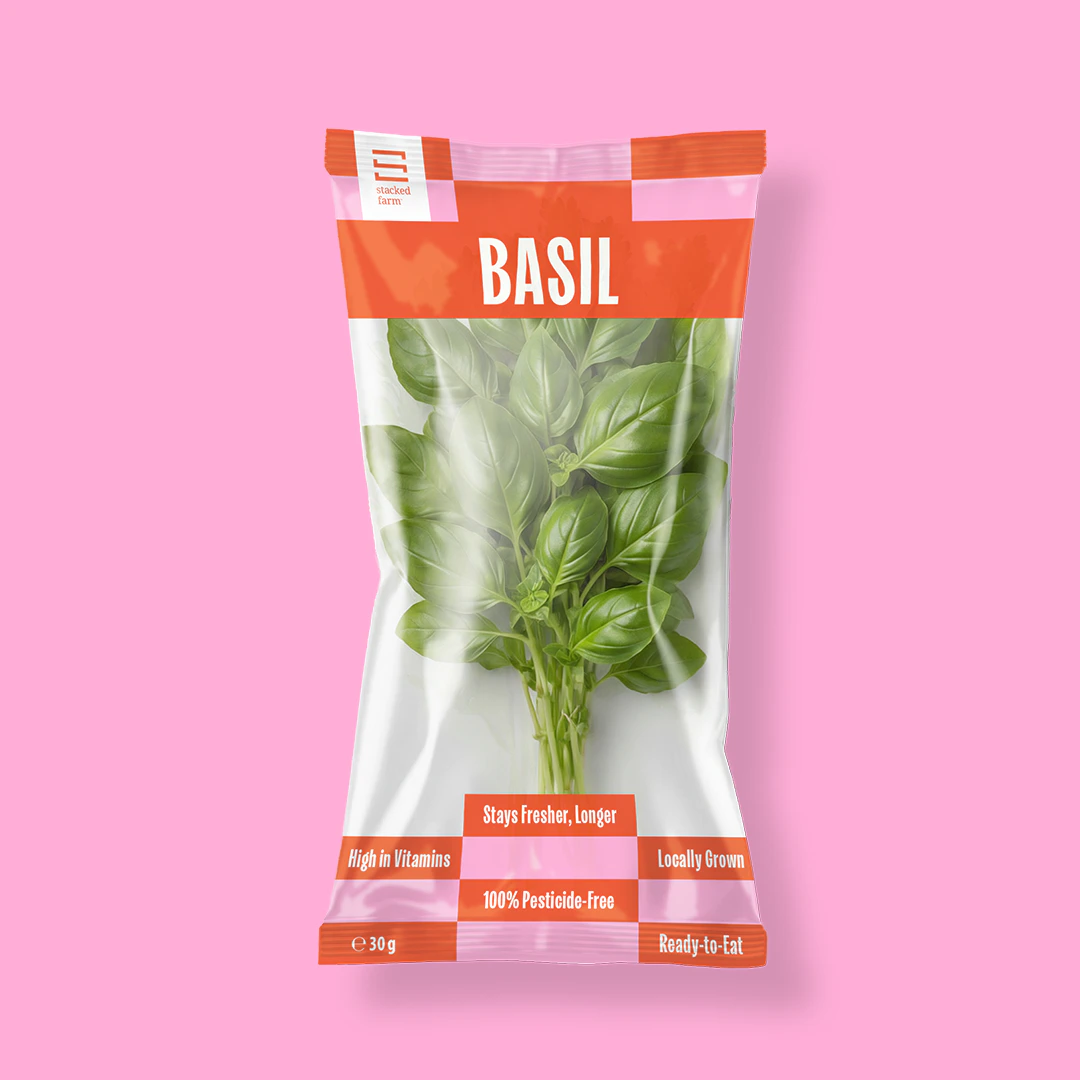
Basil's the odd one out — chill it and it goes black. If I've got more than I need, I blend it with oil and freeze it in ice cube trays. Never in the fridge.
Dave Moorkens — Stacked Farm Chef
These are general guidelines for fresh herbs — how long yours last depends on the herb and how fresh it was to start.

Chef's tip — never bin woody herb stalks. Pack them in salt, rosemary salt, thyme salt, then get creative and add lemon peel, chilli flakes, fennel seeds. Nothing wasted, and you've made a whole new ingredient.
Dave Moorkens — Stacked Farm Chef
Generally speaking, yes once they're chopped, herbs freeze well for cooked dishes: soups, sauces, marinades, curries, stews. Skip it if you want them fresh for a garnish; the texture won't survive the freezer.
Three ways to do it:
One exception: mint, basil and coriander / cilantro turn dark and lose their bite frozen as whole leaves. Frozen in oil or water for soups and sauces, they're still worth doing, just don't expect them to come out looking fresh.
Here's the head start most herbs never get: ours arrive clean and dry. Grown indoors, pesticide-free, and never washed — so there's no leftover moisture quietly turning the leaves before you've even opened the pack. Store them well and they'll reward you.
Match the method to the herb: hard herbs stay dry in an airtight container; soft herbs do best wrapped in a damp towel or with their roots in water in a cool shady spot.
Roll soft herbs loosely in a lightly damp kitchen towel and refrigerate — it keeps them hydrated without drowning them. Good for about 10–12 days.
No, store them dry. Moisture is the main cause of slimy, browning herbs. Never chop wet herbs either.
No pesticides, herbicides or fungicides. They're grown indoors in a sealed, controlled room, so there's nothing to spray in the first place.
Yes! Hard herbs like rosemary and thyme store well in oil, which also flavours the oil for cooking.
Yes, once chopped, they are best for cooked dishes like soups, sauces and marinades. Tray-freeze, freeze in an ice cube tray with water or oil, or freeze in oil (about 70% herb to 30% oil). Mint, basil and coriander lose their fresh look and bite frozen as whole leaves, but are still fine frozen for cooking.
Yes. Grown clean and packed dry, no rinse needed, no grit to pick through.
No, ours are ready to eat, straight from the pack.
Yes they are, the exact same herb but different names. In Australia, NZ & the UK they call the same herb coriander, the US they call it cilantro.