12 August 2026
Cos Lettuce: What It Is, Why Ours Is Different, and How to Store It
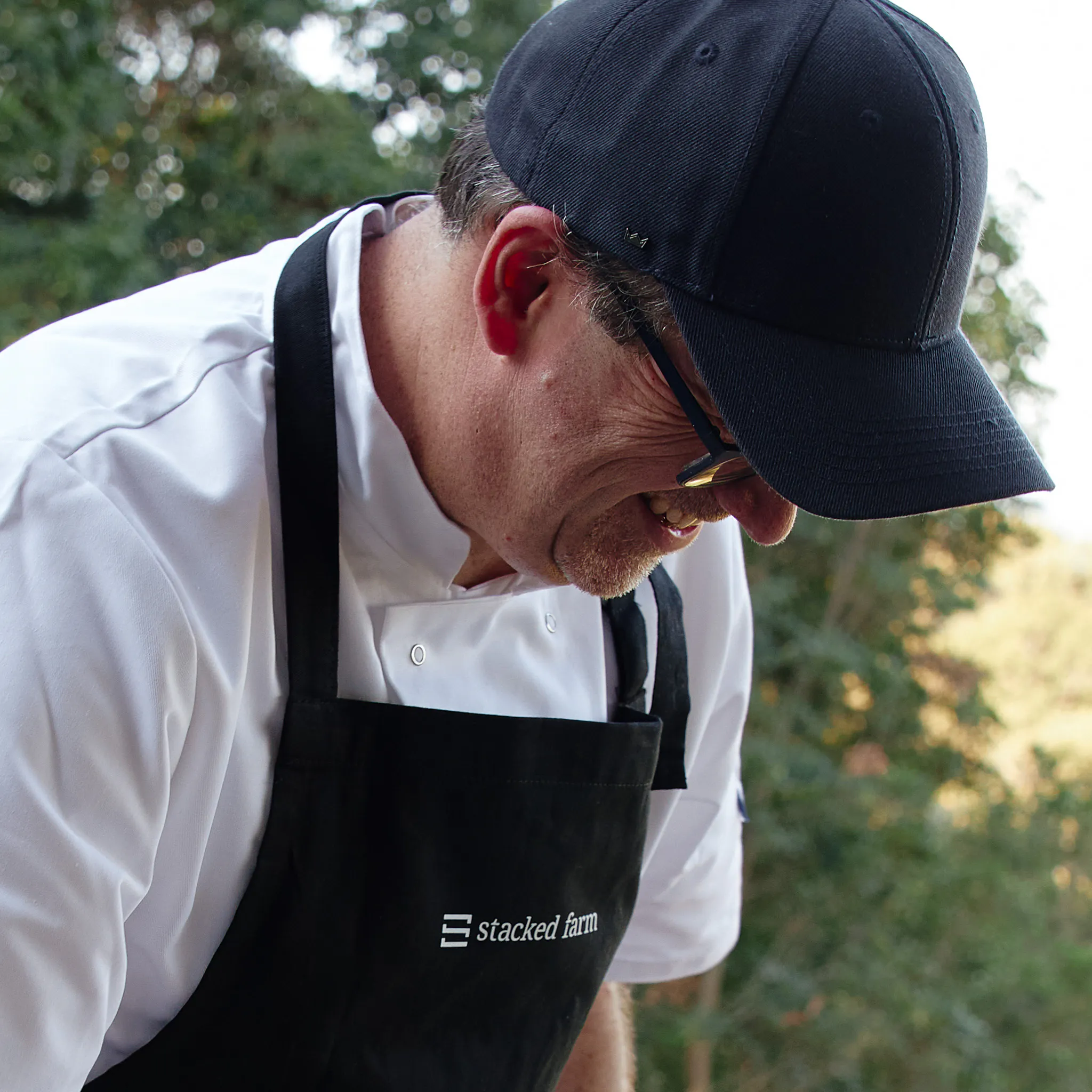
Dave Moorkens— Stacked Farm Chef
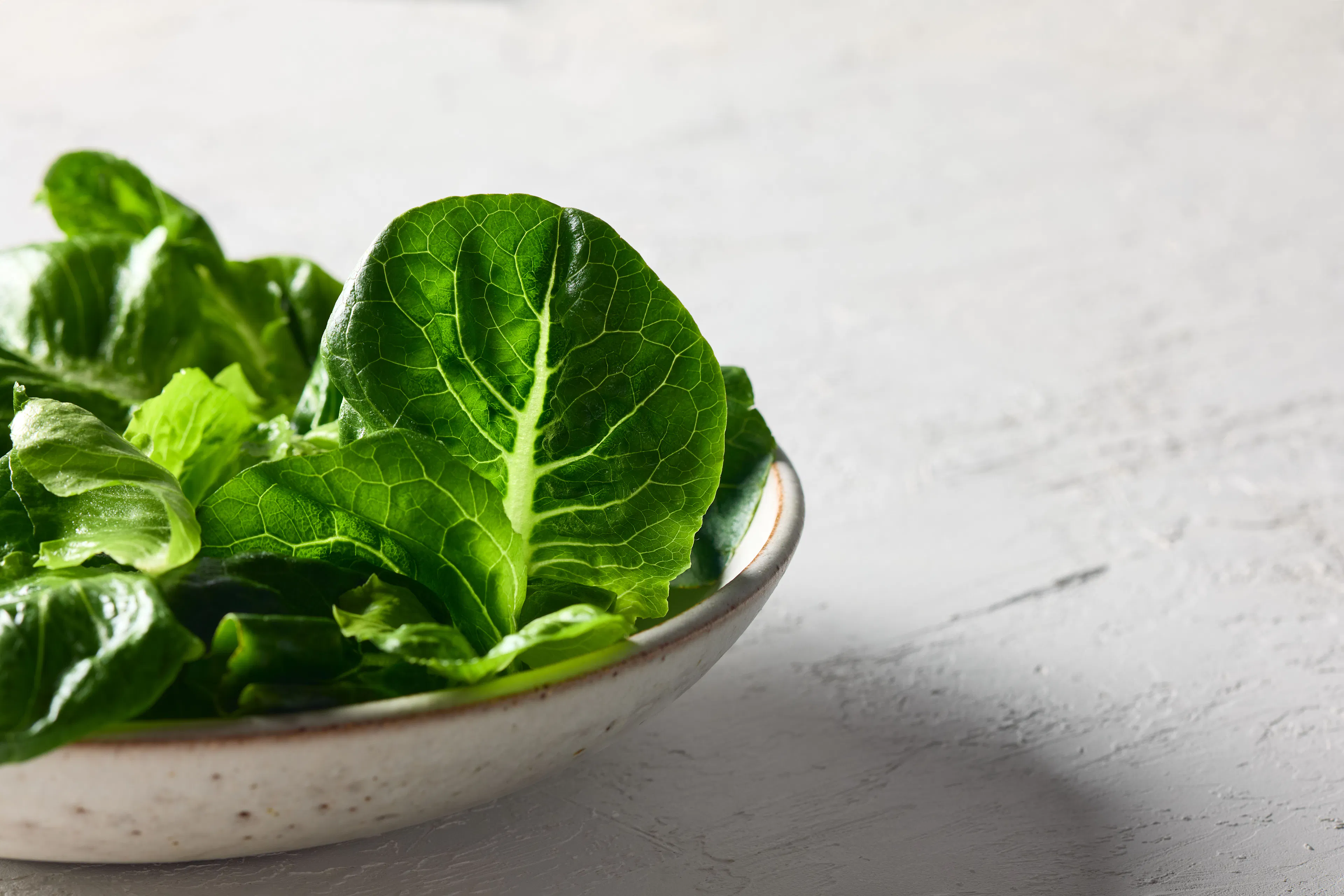
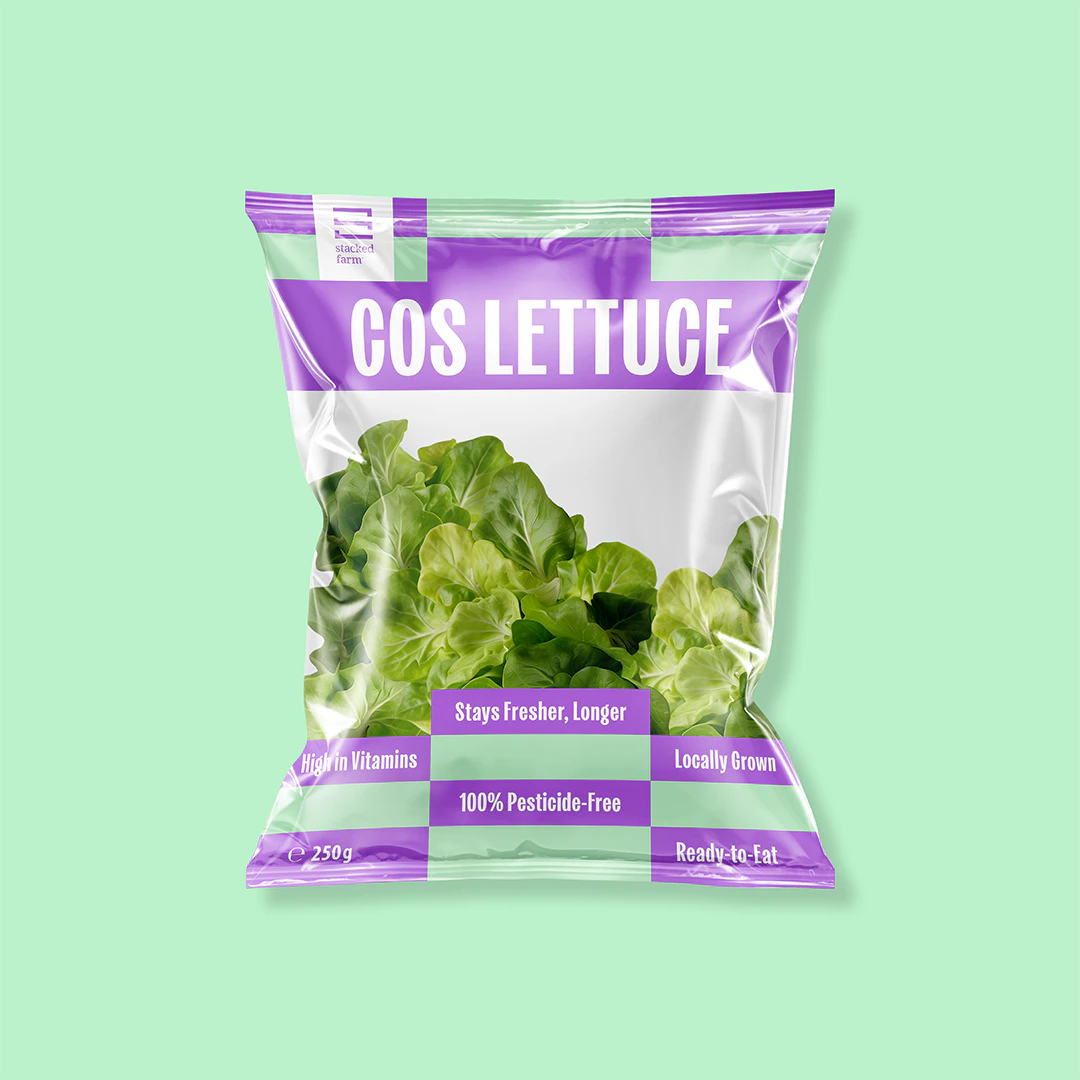
Cos is the long, upright lettuce with pale green leaves and a thick white rib running down the centre — crunchy, sturdy, and built to hold a dressing. It's the lettuce in a classic Caesar salad.
In the US, it goes by a different name: romaine.
Nothing, really. "Cos" is what it's called in Australia, New Zealand, the UK and Ireland. "Romaine" is the exact same lettuce, sold under a different name in the US. Same vegetable, same crunch, same rib down the middle — just a different word depending on where you're standing.
Ours is grown indoors, which means every head comes out the same shape and size, whichever name you're buying it under. No guesswork, and no dip in quality depending on the season outside.
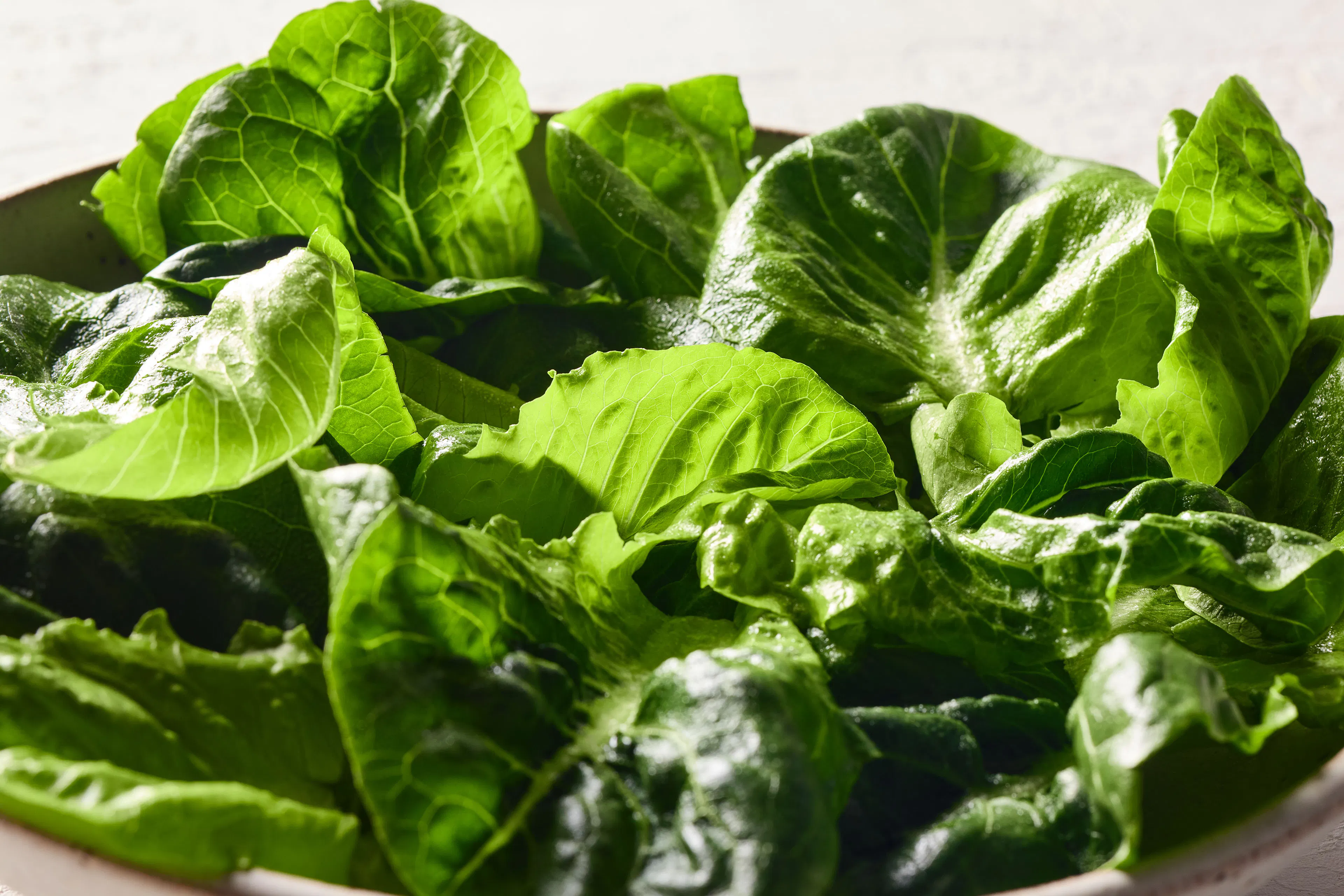
CHEF’S TIP — Bring back the crunch: If your cos lettuce has gone a little limp, soak the leaves in iced water for 10–15 minutes to crisp them right back up. Their sturdy shape also makes them a brilliant fresh alternative to wraps.
Dave Moorkens — Stacked Farm Chef
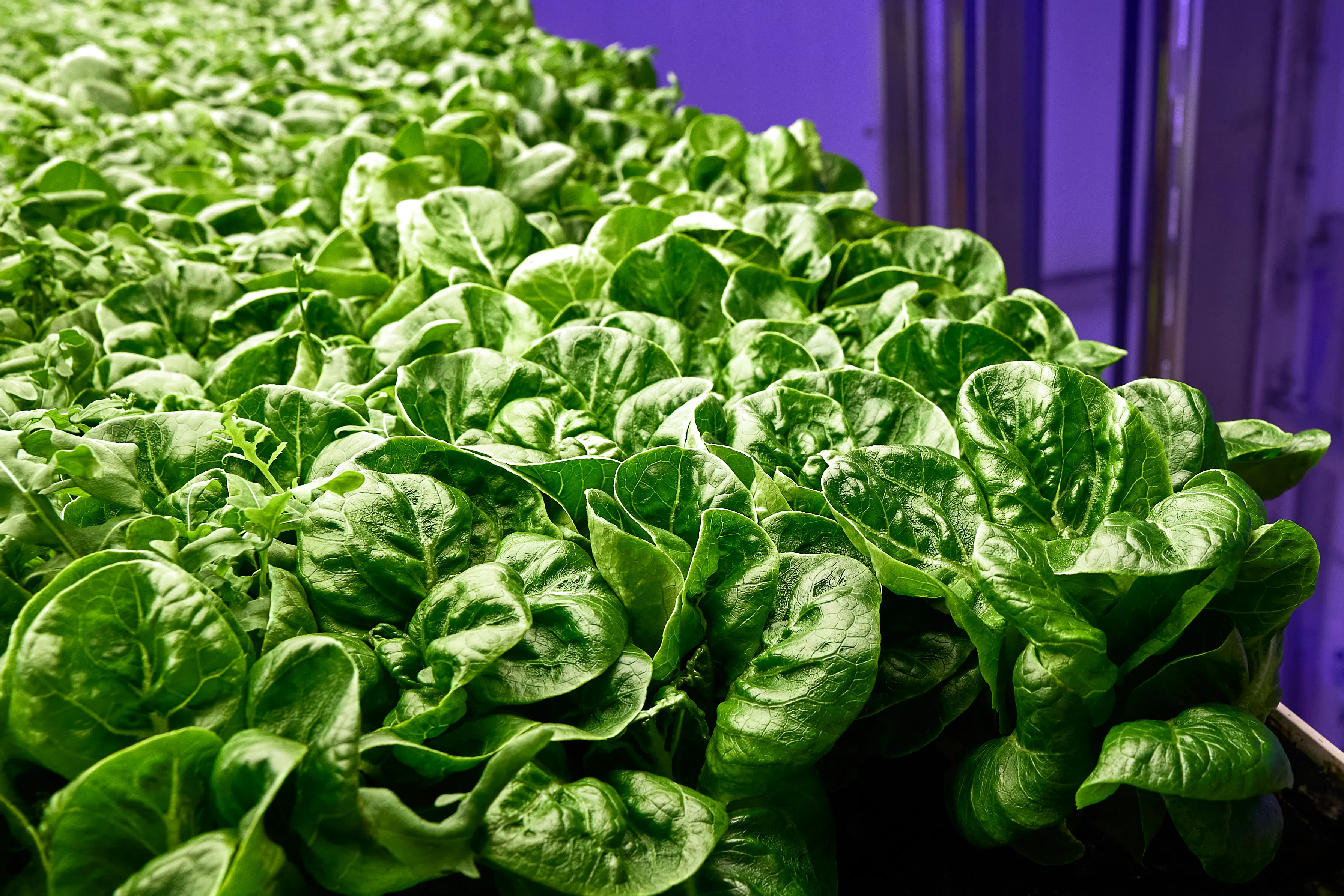
We grow our cos indoors, stacked in a vertical hydroponic system with carefully controlled light, water and nutrients — so every head comes out crisp and upright, every time, no matter what the weather's doing outside.
Growing indoors also means there's no soil and no pests to fight, so there's no need for pesticides or herbicides — insects and weeds simply aren't part of the equation. And because there's so little on the leaf to begin with, ours skips the wash altogether. It goes straight from harvest to bag.
It also travels a shorter distance to reach you, so there's less time between harvest and your fridge.
Yes. It's low in calories and a good source of Vitamin A and Vitamin K1, with folate and a high water content that makes it genuinely hydrating — a solid, simple addition to any salad or sandwich.
Ours is grown clean, harvested quickly, and never touched by human hands on the way to the bag — so what you get is consistent, batch after batch.
Keep it unwashed and sealed in the fridge, and it'll hold up for up to 15 days — more than twice as long as a regular bunch from the shops.
That's not a packaging trick. Because ours goes into the bag clean and dry, with no wash step, there's no residual moisture sitting on the leaf to speed up wilting. Washed lettuce holds onto that moisture — and that's exactly what turns leaves slimy fast.
Here's the head start most greens never get: ours arrive clean and dry. Grown indoors, pesticide-free, and never washed — so there's no leftover moisture quietly turning the leaves before you've even opened the pack. Store them well and they'll reward you.
Follow for recipes, farm tours and a very close look at some lettuce.
Yes — same lettuce, different name. "Cos" in Australia, New Zealand, the UK and Ireland; "romaine" in the US.
Absolutely. It's the crunchiest part of the leaf and holds up best to a heavier dressing — don't trim it away.
Our cos lasts up to 18 days if it's kept unwashed and sealed — more than twice as long as a regular bunch from the shops.
It's mostly eaten raw, but it holds its shape well enough to grill or briefly braise if you want to try it warm — the rib in particular keeps its crunch under heat.
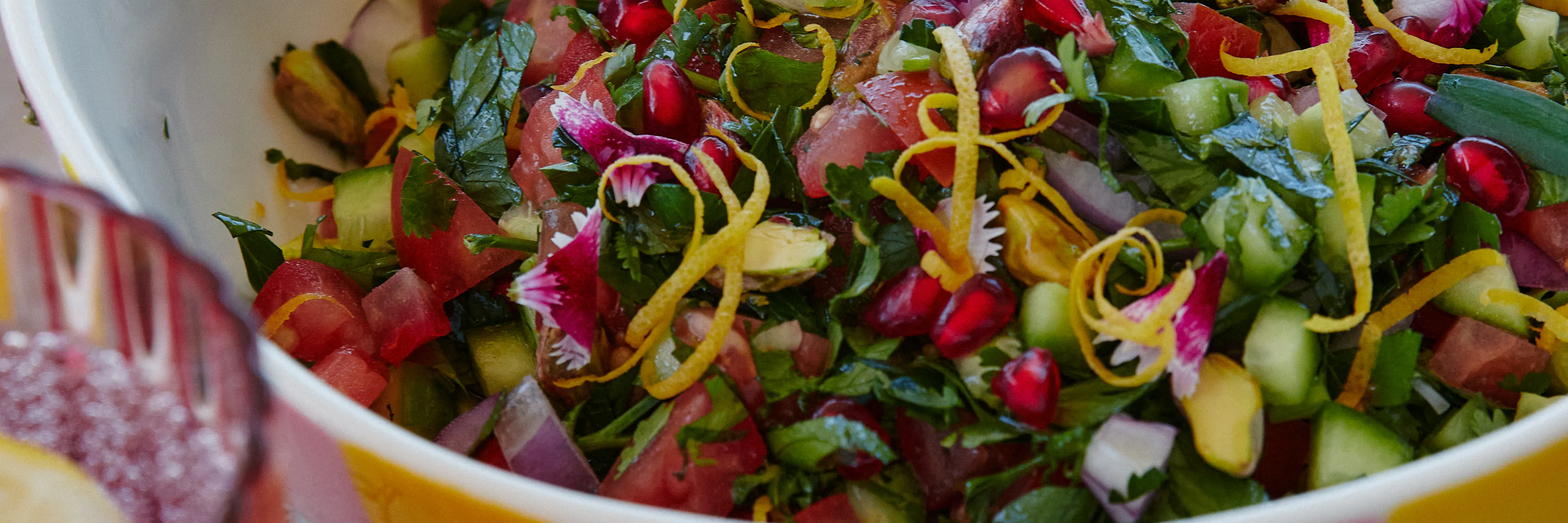
Crisp, sturdy and ready to eat straight from the bag — cos is one of the easiest greens to build a meal around. Browse our Cos lettuce recipes → for ideas, from a classic Caesar to something a bit different.
No. Ours is ready to eat straight from the bag — skip the rinse.
No. We grow indoors with no soil, so there are no weeds or pests to manage — which means no pesticides or herbicides, ever.
Not certified, and here's why: organic certification in Australia requires soil, and ours is grown hydroponically. That said, we don't use any pesticides or herbicides at all — so while we can't carry the certification, the growing process is just as clean.