12 August 2026

Hard vs Soft Herbs: How Our Chef Actually Uses Them
Chef Dave closeup of his smiling face
Dave Moorkens— Stacked Farm Chef
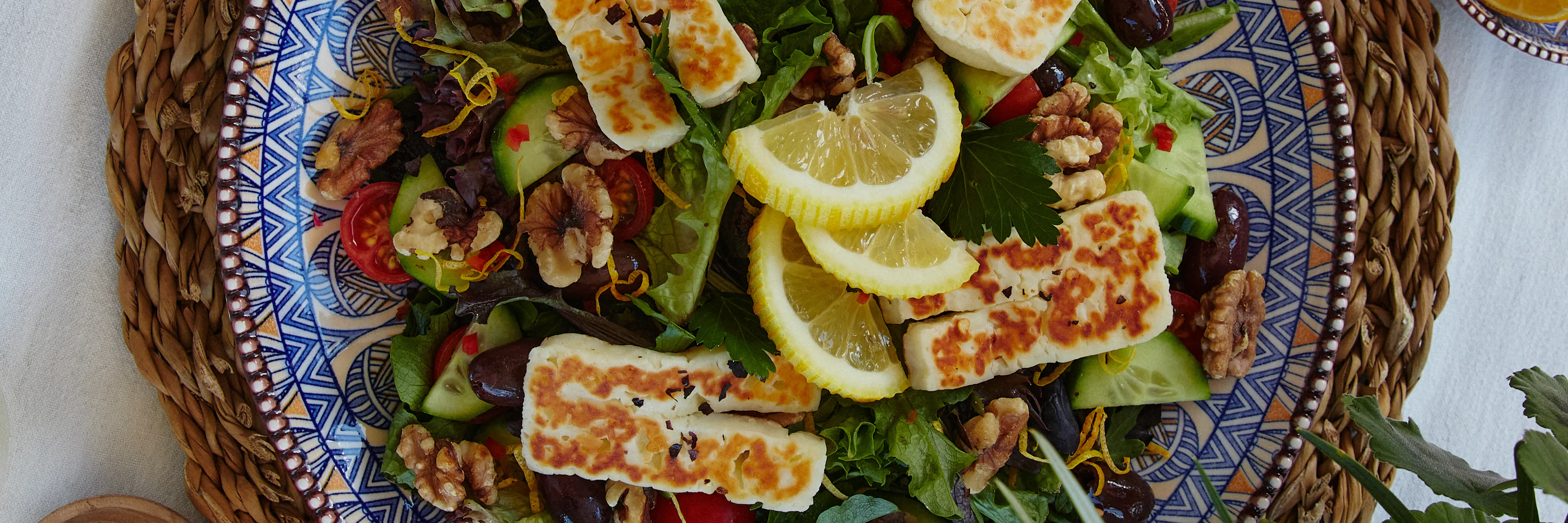
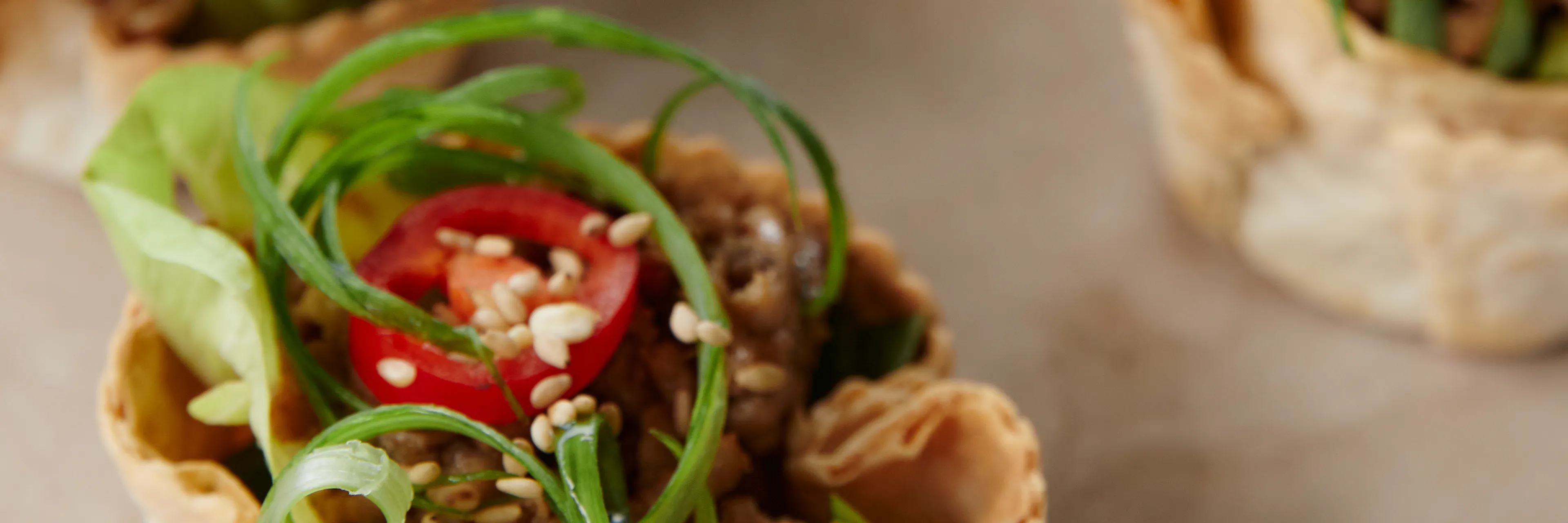
closeup of a plate with herbs

Herbs don't just season a dish, they carry its flavour, its aroma, and half its personality on the plate.

Get the timing wrong, though, and even the right herb can fall flat.

Our chef splits every herb into two camps: hard (woody) herbs and soft (finishing) herbs. Once you know which camp a herb sits in, you'll know exactly when to add it — and everything you cook with it gets better.

The one rule that matters: hard herbs go in at the start of cooking, and soft herbs go in at the end or are used completely raw.

  • Hard herbs go in at the start of cooking. Their oils are locked in tough, woody stems, and it takes time and heat to coax the flavour out.
  • Soft herbs go in at the end or are used completely raw. Their flavour is already sitting right there in a tender leaf. Cook them too long and you don't get more flavour, you get less.

That's really the whole system. Here's how it plays out herb by herb.
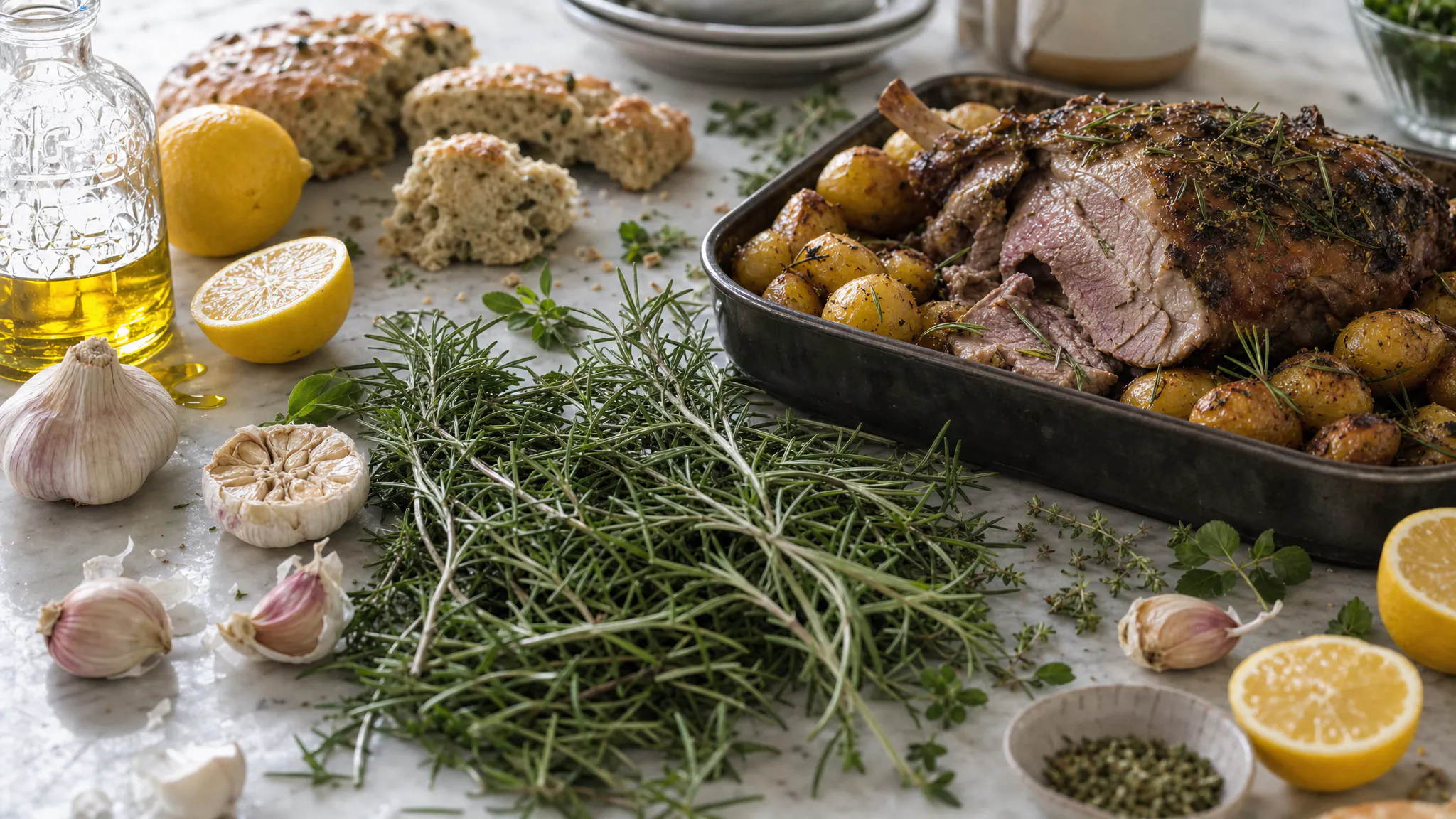
Hard / woody herbs go in early

  • Rosemary The backbone of Mediterranean and European cooking. Goes into roasting lamb, pork, chicken and potatoes, and works its way into flavoured breads too. Pairs naturally with garlic, lemon and olive oil.
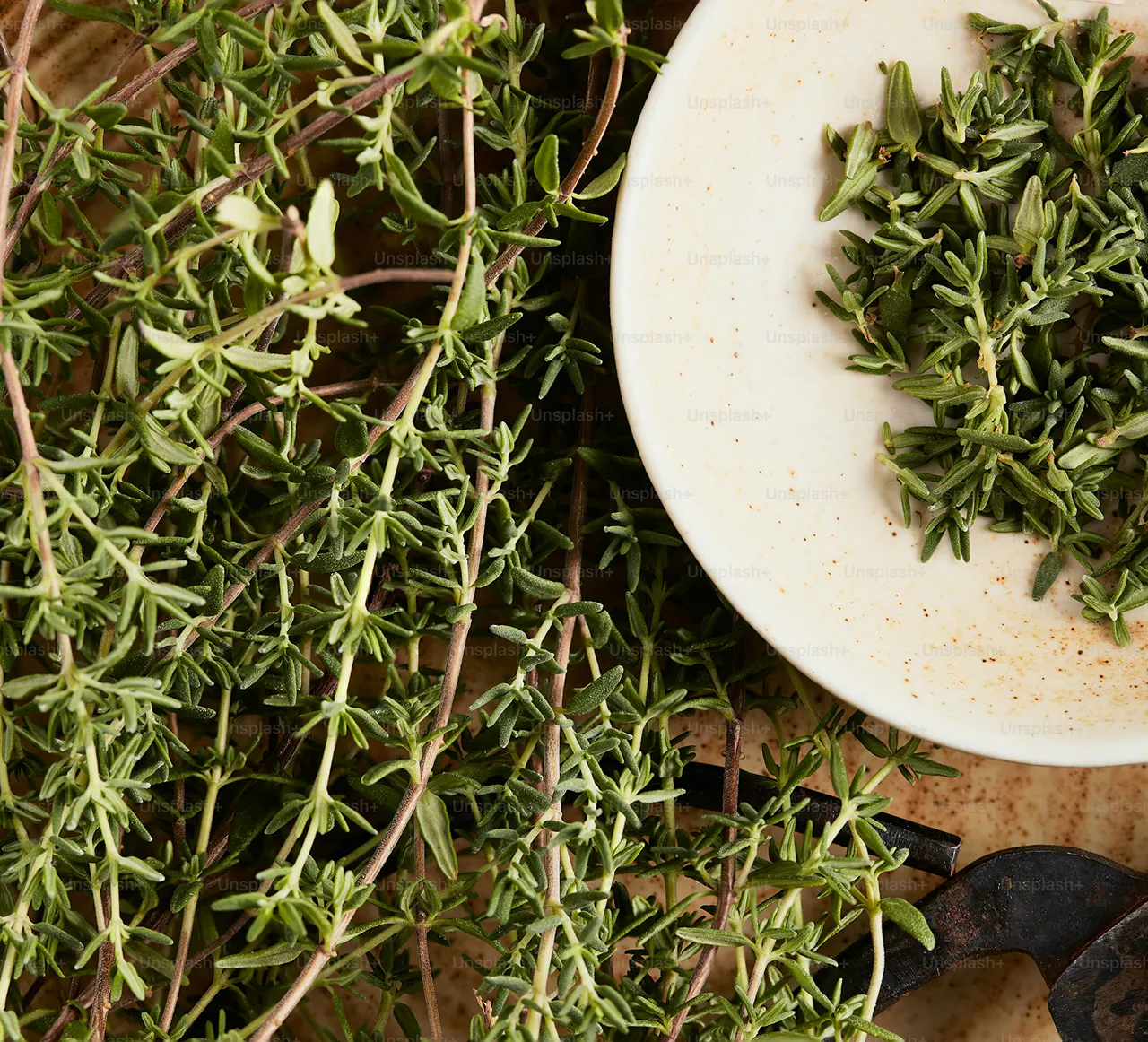
  • Thyme is another Mediterranean/European staple, built for the long game — braises, slow-cooked stews, stocks. Just as good scattered over roast chicken, mushrooms or roasted root veg.
  • Oregano is Mediterranean through and through. The go-to for meat marinades (lamb, goat) and anything tomato-based. Unlike most herbs on this list, oregano is mostly used dried — the flavour actually holds up well that way.
  • Bay leaf is the quiet workhorse. It goes into almost every stock, stew and braise, does double duty in pickling and marinades, and is a standing member of a classic bouquet garni.
roast meat with fresh rosemary ready to cook

Our chef's favourite — tarragon. "Béarnaise is one of my favourite sauces, and tarragon is the main herb in that classic French sauce. It's got a unique aniseed note that works just as well tossed through a fresh green salad. I also love combining it with fresh garlic to marinate chicken before grilling."

Dave Moorkens — Stacked Farm Chef
Soft / finishing herbs go in at the end

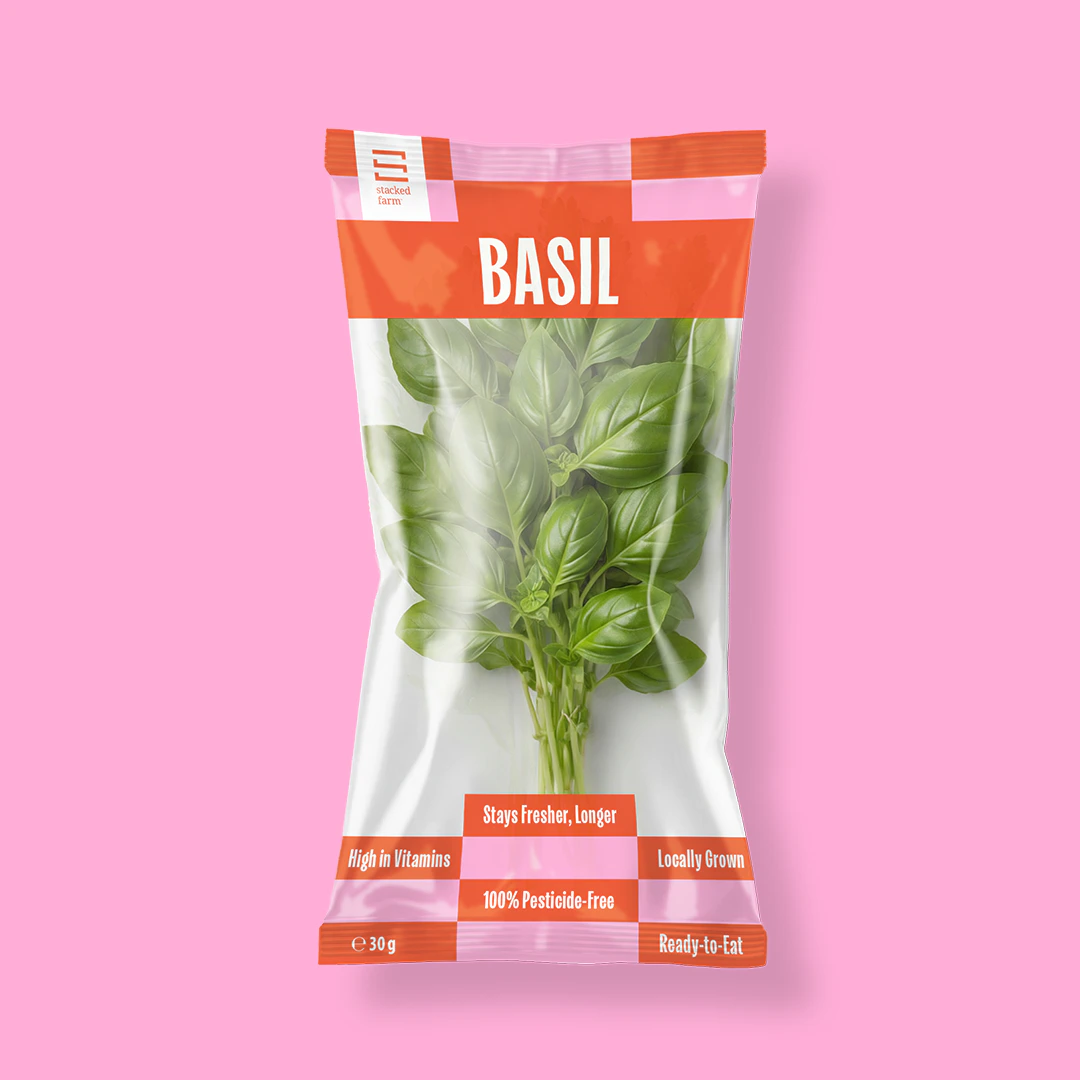
  • Basil is Mediterranean and Southeast Asian in equal measure. The obvious partner for tomato dishes, but just as at home in a Southeast Asian curry or stir-fry. Add it at the very last second, or skip cooking altogether and use it raw.
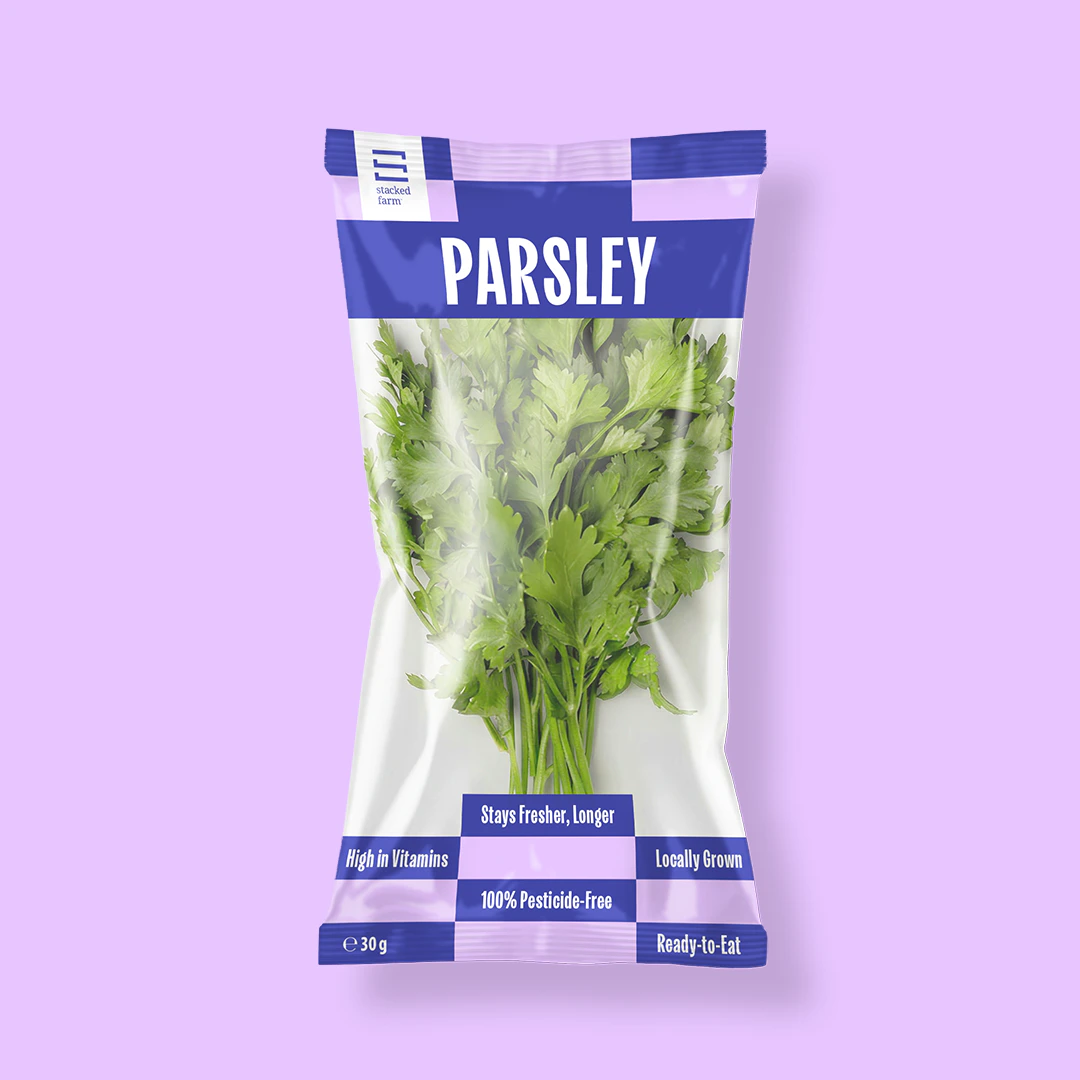
  • Parsley (flat leaf or curly) is the most-used herb in professional kitchens, full stop. The classic finishing touch on pasta, fish, roasts and soup. Chefs split it in two: stems go into the stock pot, leaves go on the finished plate.
  • Coriander or cilantro is the backbone of Latin American, Middle Eastern and Asian cooking. Same stem-leaf split as parsley — stems and roots go in for cooking, leaves go on at the end. Built for curries, chutneys, Asian salads, salsas and guacamole.
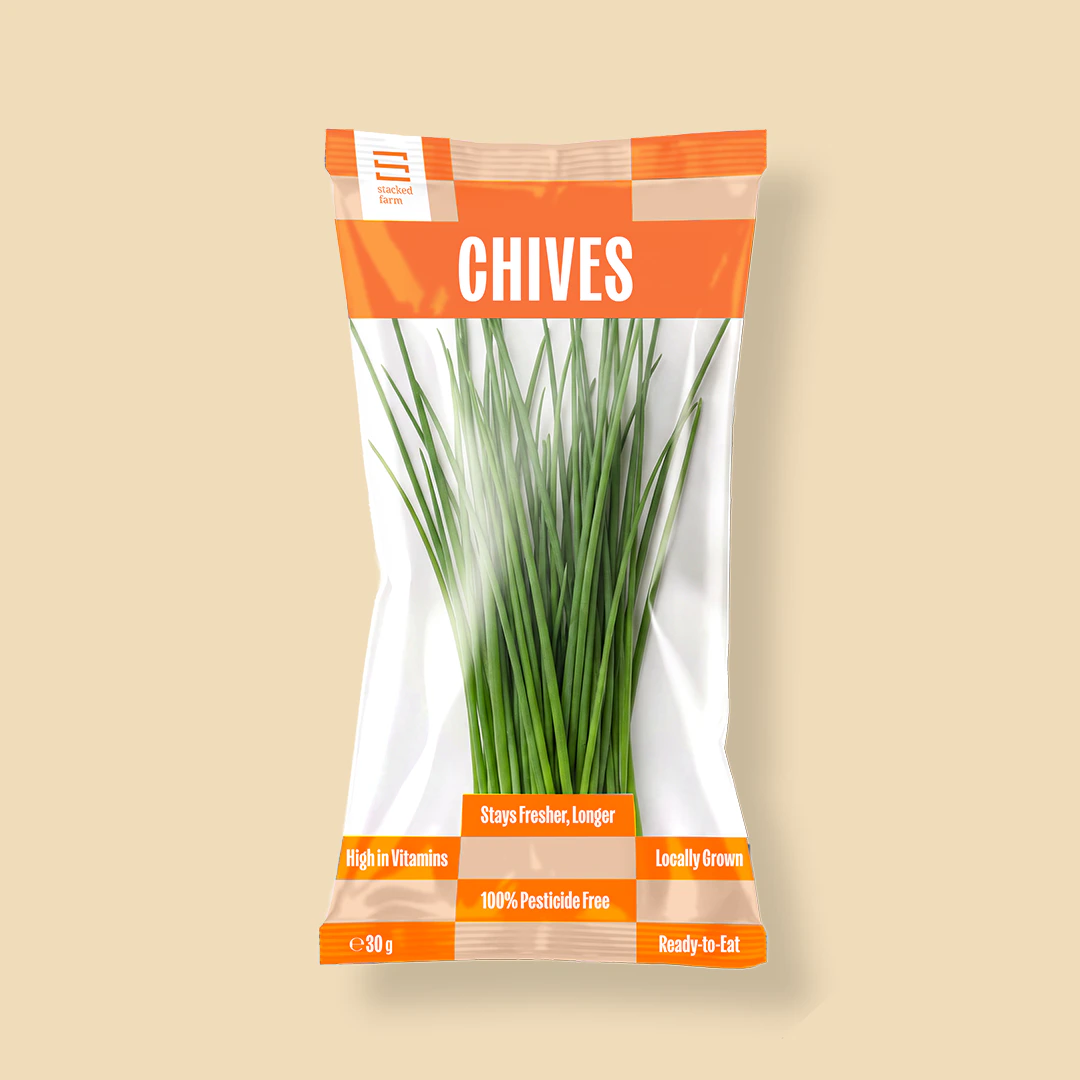
  • Chives turn up in European and Asian kitchens alike, but never with heat. Always fresh, always cut fine, always added last. Perfect over eggs, fish and salads.
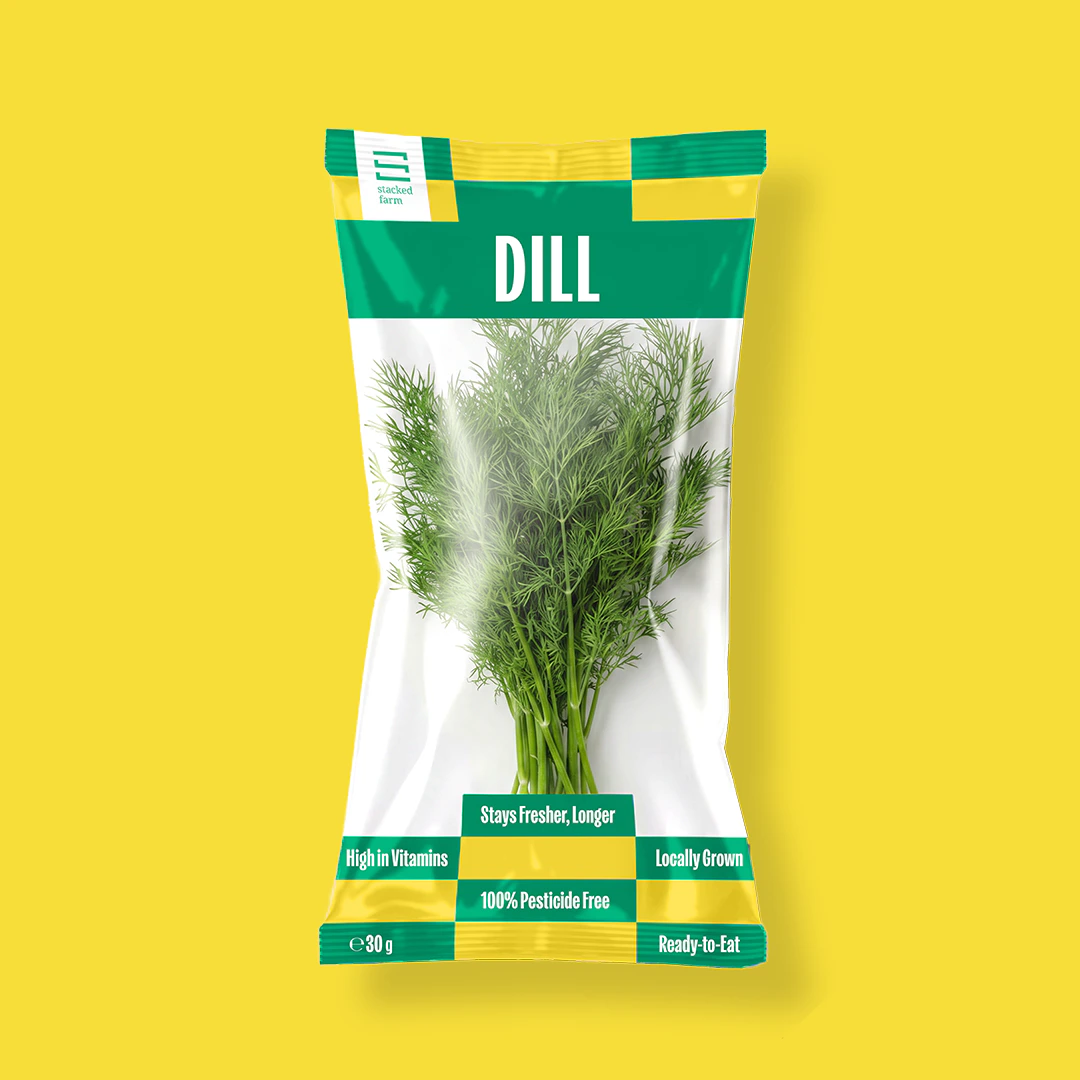
  • Dill is a fresh, always-raw herb from European and Mediterranean cooking, best known as salmon's best friend. Also does heavy lifting in pickling.
  • Tarragon is a French classic, and the signature herb in a béarnaise sauce, just as good through egg dishes, chicken and dressings.
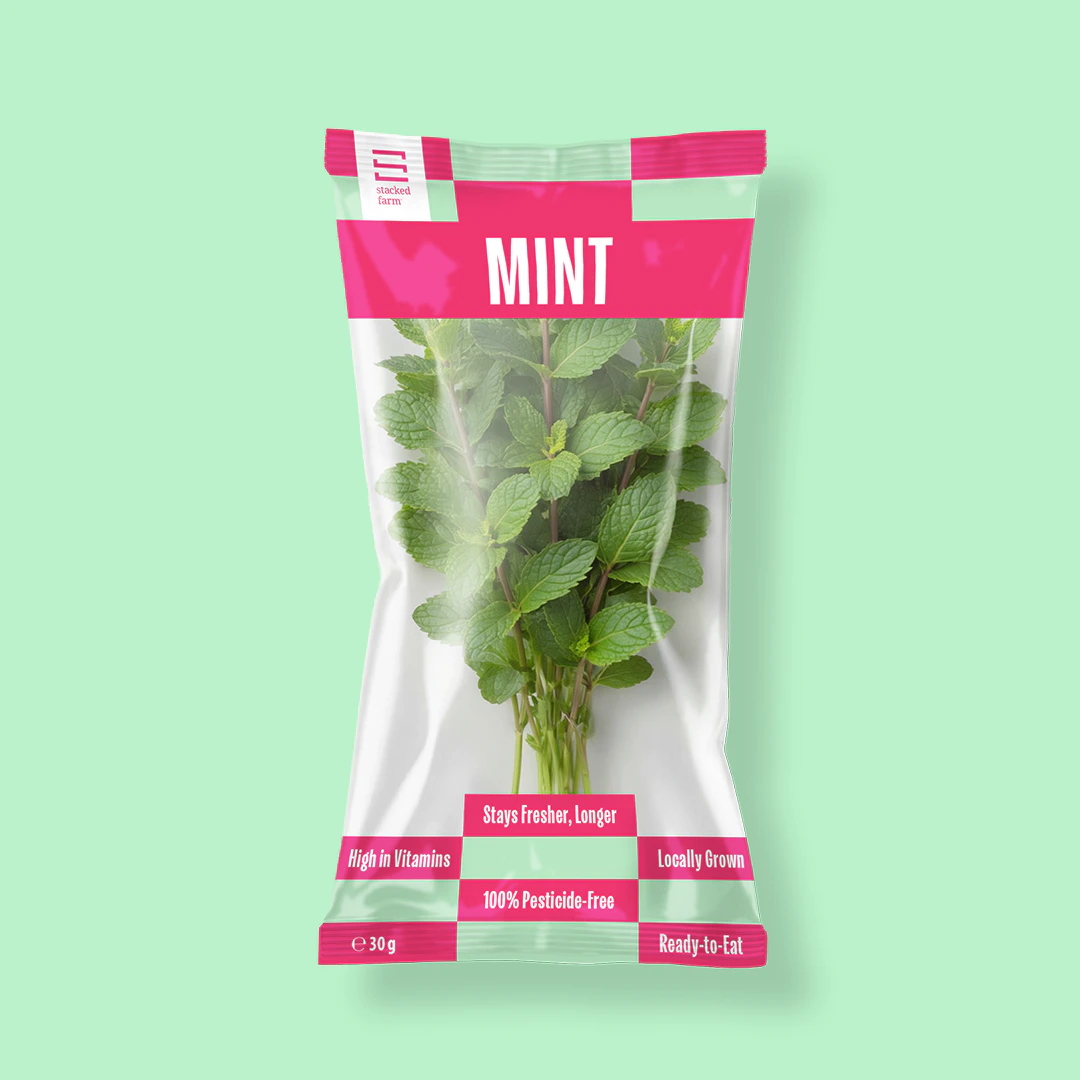
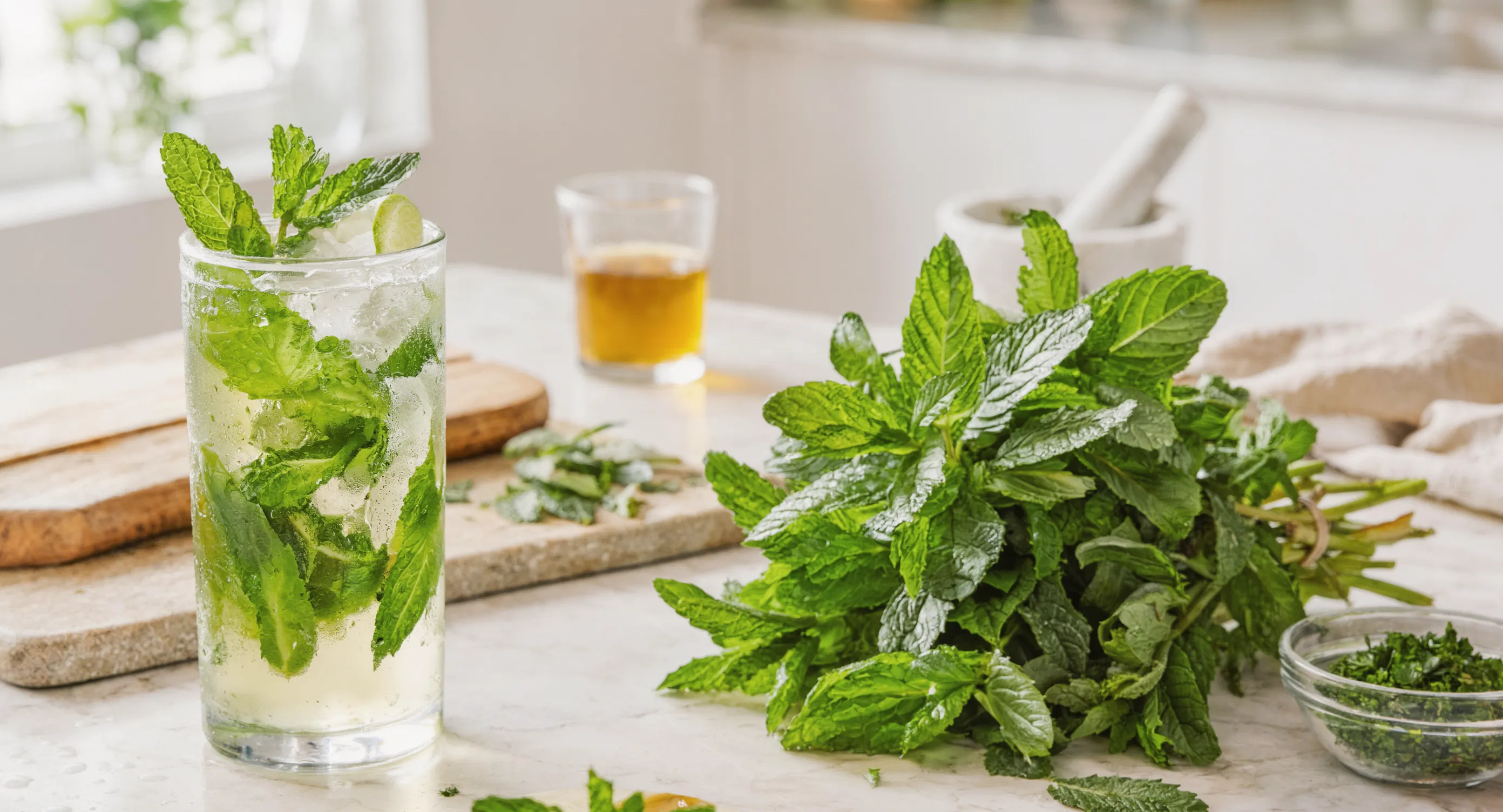
  • Mint works both sides of the menu — savoury and sweet. Salads, drinks, desserts, sauces, and traditionally served after a meal to help digestion as a nice hot tea or refreshing drink.
Fresh mint and a mint lemonade drink

Mint works both sides of the menu — savoury and sweet. Salads, drinks, desserts, sauces, and traditionally served after a meal to help digestion as a nice hot tea or cool refreshing drink.

Dave Moorkens — Stacked Farm Chef

Quick reference

  1. Hard herbs — add at the start of cooking. Rosemary with lamb, potatoes, garlic and lemon. Thyme with stews, stocks and roast chicken. Oregano — usually dried — with tomato dishes and marinades. Bay leaf in stocks, stews and pickling.
  2. Soft herbs — add at the end, or use raw. Basil with tomato dishes, curries and stir-fries. Parsley (leaves) on pasta, fish and roasts — stems can still go in the pot. Coriander or cilantro (leaves) on curries, salsas and Asian salads — stems and root can cook. Chives, always raw, over eggs, fish and salads. Dill, always raw, with salmon and pickling. Tarragon through béarnaise, eggs, chicken and dressings. Mint, raw, through salads, drinks and desserts.

Starts fresh, stays fresher

Here's the head start most herbs never get: ours arrive clean and dry. Grown indoors, pesticide-free, and never washed, so there's no leftover moisture quietly turning the leaves before you've even opened the pack. Store them well and they'll reward you.

More greens on the grid.

Follow for recipes, farm tours and a very close look at some lettuce.

FAQs

Hard herbs have tough, woody stems and need heat and time to release their oils, that's why they go in early. Soft herbs have tender leaves that already carry their full flavour, so cooking them for too long only loses it.

For hard herbs, usually yes, oregano is even traditionally used dried. For soft herbs, stick to fresh wherever you can. Their whole appeal is the burst of flavour and aroma you only get raw or barely warmed through.

No, store them dry. Moisture is the main cause of slimy, browning herbs. Never chop wet herbs either.

No pesticides, herbicides or fungicides. They're grown indoors in a sealed, controlled room, so there's nothing to spray in the first place.

Yes! Hard herbs like rosemary and thyme store well in oil, which also flavours the oil for cooking.

Parsley and coriander / cilantro are the classic examples. The stems carry a milder version of the flavour and hold up to cooking, so they go into stocks and braises. The leaves are saved for the plate, where their flavour and colour do the most work.

Yes. Grown clean and packed dry, no rinse needed, no grit to pick through.

No, ours are ready to eat, straight from the pack.